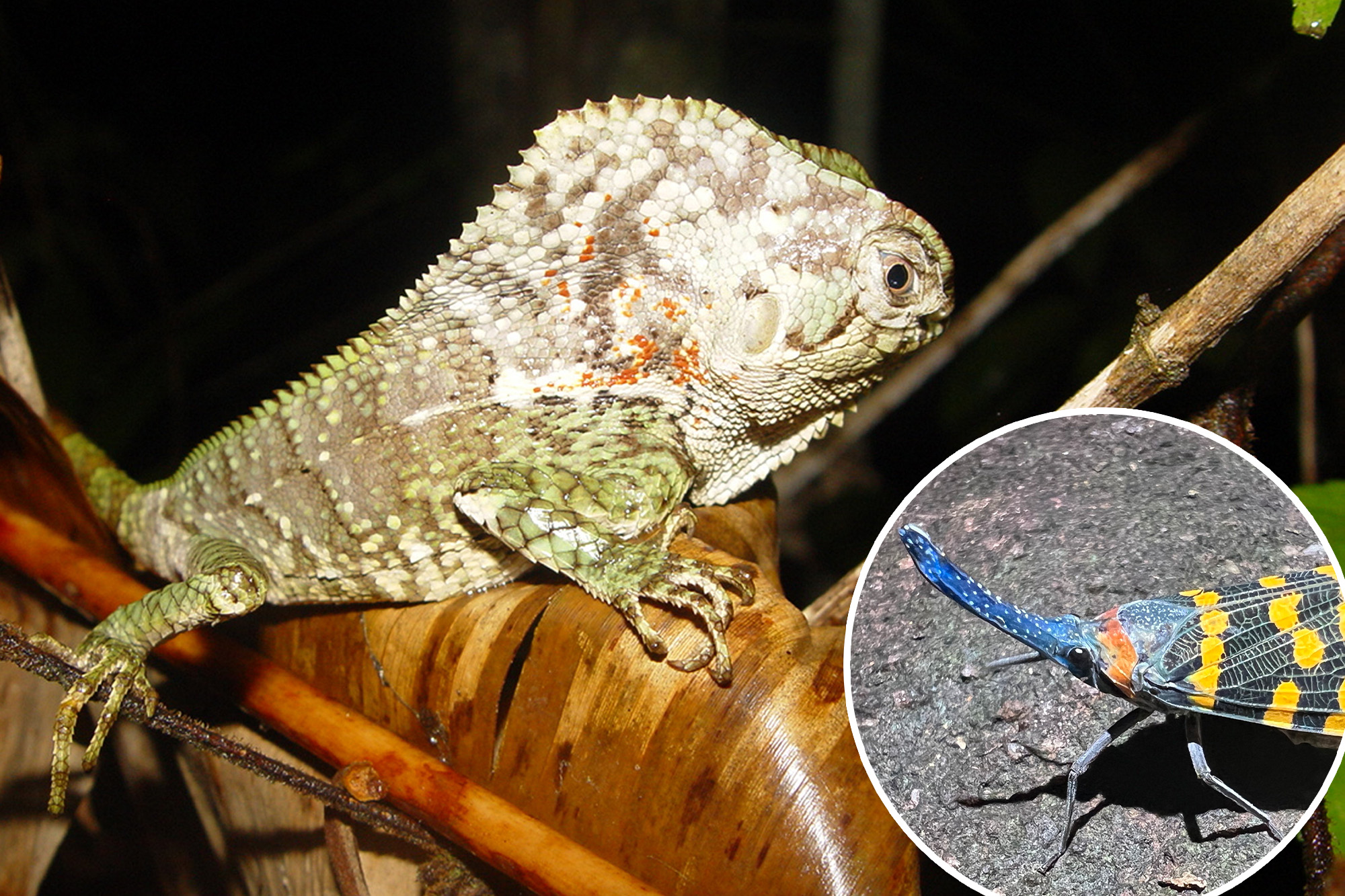
A recent study reveals that scientists are discovering new species at an unprecedented rate, exceeding 16,000 each year. The research, conducted by a team at the University of Arizona, underscores a rich and diverse biodiversity that may surpass previous estimates. This trend is particularly evident among groups such as plants, fungi, arachnids, fish, and amphibians, suggesting that there is much more to be uncovered.
Over 300 years ago, Swedish naturalist Carl Linnaeus initiated the scientific endeavor to classify all living organisms. He is renowned for developing the binomial naming system and for describing more than 10,000 species. Since then, the exploration of Earth’s biodiversity has continued, with current findings indicating that the pace of discovery is more rapid than ever, significantly outpacing extinction rates.
According to the study published in the journal Science Advances, approximately 15% of all known species have been identified in the last two decades. Professor John Wiens, the study’s senior author, emphasizes that contrary to some claims, the rate of new species descriptions is not slowing down. “Our results show the opposite,” he stated. “In fact, we’re finding new species at a faster rate than ever before.”
The research team analyzed the taxonomic histories of around two million species across various groups, documenting an average of over 16,000 new species annually between 2015 and 2020. This includes over 10,000 animals, predominantly arthropods and insects, along with approximately 2,500 plants and 2,000 fungi.
Professor Wiens noted that the discovery rate of new species far exceeds the estimated 10 species that go extinct each year. He remarked, “These thousands of newly found species each year are not just microscopic organisms, but include insects, plants, fungi and even hundreds of new vertebrates.”
The study also projects future discoveries, estimating there could be as many as 115,000 fish species and 41,000 amphibian species, despite current counts of about 42,000 and 9,000, respectively. Furthermore, the research suggests that the total number of plant species might exceed 500,000.
As Professor Wiens highlighted, “Right now, we know of about 2.5 million species, but the true number may be in the tens or hundreds of millions or even the low billions.” The scientists anticipate that the discovery rate will continue to rise, especially as advancements in molecular tools allow for the identification of cryptic species, which are distinguishable only through genetic analysis.
Discovering new species is crucial for conservation efforts. “We can’t safeguard a species from extinction if we don’t know it exists,” Professor Wiens stated. The identification of new species also holds promise for developing new natural products beneficial to humans. For instance, certain weight-loss drugs like Mounjaro have been inspired by hormones found in Gila monsters. Additionally, various plant and fungal species contain compounds with potential medicinal applications, including pain relief and cancer treatment.
Professor Wiens elaborated on the innovative potential of undiscovered species, noting that many adaptations could inspire new technologies. For example, materials mimicking the “super-clinging” feet of geckos could lead to advancements in various fields.
Looking ahead, the team plans to map geographic “hotspots” for undiscovered biodiversity, emphasizing that, despite Linnaeus’ pioneering work, significant gaps in knowledge remain. “So much remains unknown, and each new discovery brings us closer to understanding and protecting the incredible biodiversity of life on our planet,” Professor Wiens concluded.
The ongoing discoveries highlight the dynamic nature of Earth’s ecosystems and the importance of continued exploration in the quest to safeguard our planet’s rich biological heritage.