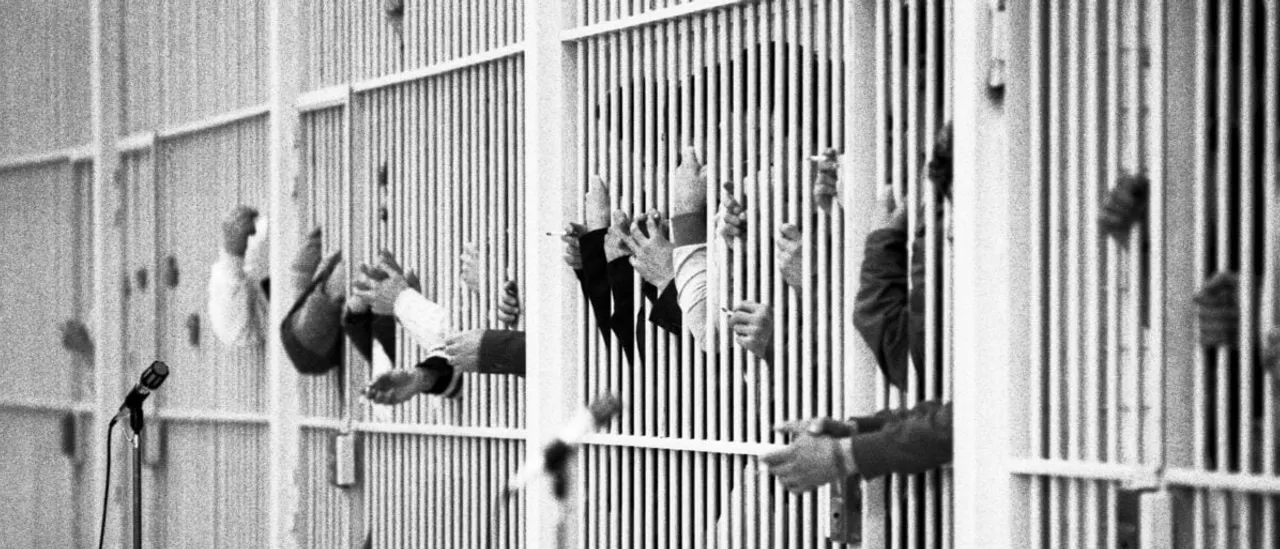
As 2026 approaches, several prominent Christian leaders remain imprisoned worldwide, highlighting ongoing religious persecution. Among them is Pastor Mingri “Ezra” Jin, the founder of China’s influential house church. He was arrested in October 2025 during a significant crackdown by the Chinese Communist Party (CCP) on Christianity, which marked the largest such operation in nearly a decade. Alongside 30 other pastors, Jin faced harassment during church services and the questioning of more than 150 congregation members.
Ezra’s daughter revealed to Reuters that her father, who suffers from diabetes, was charged with “illegal use of information networks.” This charge stemmed from his use of Zoom for sermons during the pandemic, which helped grow his church’s membership to approximately 5,000 regular worshippers across nearly 50 cities. If convicted, he could face up to seven years in prison. His case has drawn international attention, with U.S. Secretary of State Marco Rubio calling for his release in October 2025.
Ukrainian Leaders Under Scrutiny
In Ukraine, Metropolitan Arseniy, the abbot of the Sviatohirsk Lavra monastery, has been detained since April 2024. He faces charges related to a sermon delivered during a significant feast day in 2023, where he criticized Ukrainian checkpoints for hindering pilgrims from attending worship services. His remarks allegedly led to charges of “dissemination of information on the movement or location of the Armed Forces of Ukraine.”
Arseniy’s health has reportedly deteriorated while incarcerated in Dnipro, where he experiences harsh treatment, including long transfers for hearings while handcuffed. His lawyers informed the Daily Caller about the inhumane conditions he faces. Despite these challenges, Arseniy maintains his commitment to his faith, stating, “Banning our church brings us no nearer to peace or security. It only sows division.”
Contrasting Arseniy’s situation is that of Russian Pentecostal pastor Nikolay Romanyuk, who was sentenced to four years in a labor camp in September 2025. Romanyuk’s troubles began after he delivered a sermon titled “Not Our War,” in which he declared that “killing is a sin,” contradicting Russian Orthodox Church (ROC) Patriarch Kirill’s assertions that military sacrifice absolves sins. Following his unsuccessful appeal, Romanyuk awaits transfer to a prison colony to serve his sentence.
Long-Term Detention and Human Rights Concerns
In Eritrea, Haile Naizghe, chairman of the Full Gospel Church of Eritrea, has been imprisoned since 2004 without trial, making him one of the longest-serving religious prisoners of conscience globally. Naizghe is among seven pastors held at the Wengel Mermera Central Criminal Investigation Center, a maximum-security facility described by Christian rights group Open Doors as akin to a dungeon. Eritrea ranks sixth on Open Doors’ World Watch List for dangers faced by Christians and does not recognize Christian denominations outside of the Catholic, Orthodox, and Lutheran churches.
The situation of Naizghe underscores the harsh reality for unrecognized churches in Eritrea, which face raids, fines, and imprisonment under dire conditions. His attempts to apply for national recognition were met with arrest instead.
In Vietnam, Ksor Ruk, an ethnic minority Protestant missionary, is serving a 10-year sentence after being arrested in 2018. This is his second imprisonment, having previously spent six years in jail following a 2007 arrest. The authorities accused Ruk of undermining state policies and linking with an exiled separatist group.
Cuba also faces criticism for its treatment of religious leaders. Loreto Hernández García and his wife, Donaida Pérez Paseiro, remain in a maximum-security prison, separated from their children. García was sentenced to seven years for “public disorder” and “contempt” after participating in a peaceful human rights protest. His wife received an eight-year sentence, which included an additional charge of “attacking.” Reports from the U.S. Commission on International Religious Freedom indicate that both have faced pressure to renounce their faith while incarcerated.
The cases of these seven influential Christian leaders serve as stark reminders of the ongoing challenges faced by religious figures worldwide. Their stories reflect broader issues of religious freedom and human rights, prompting calls for increased awareness and action to support those enduring persecution for their beliefs.