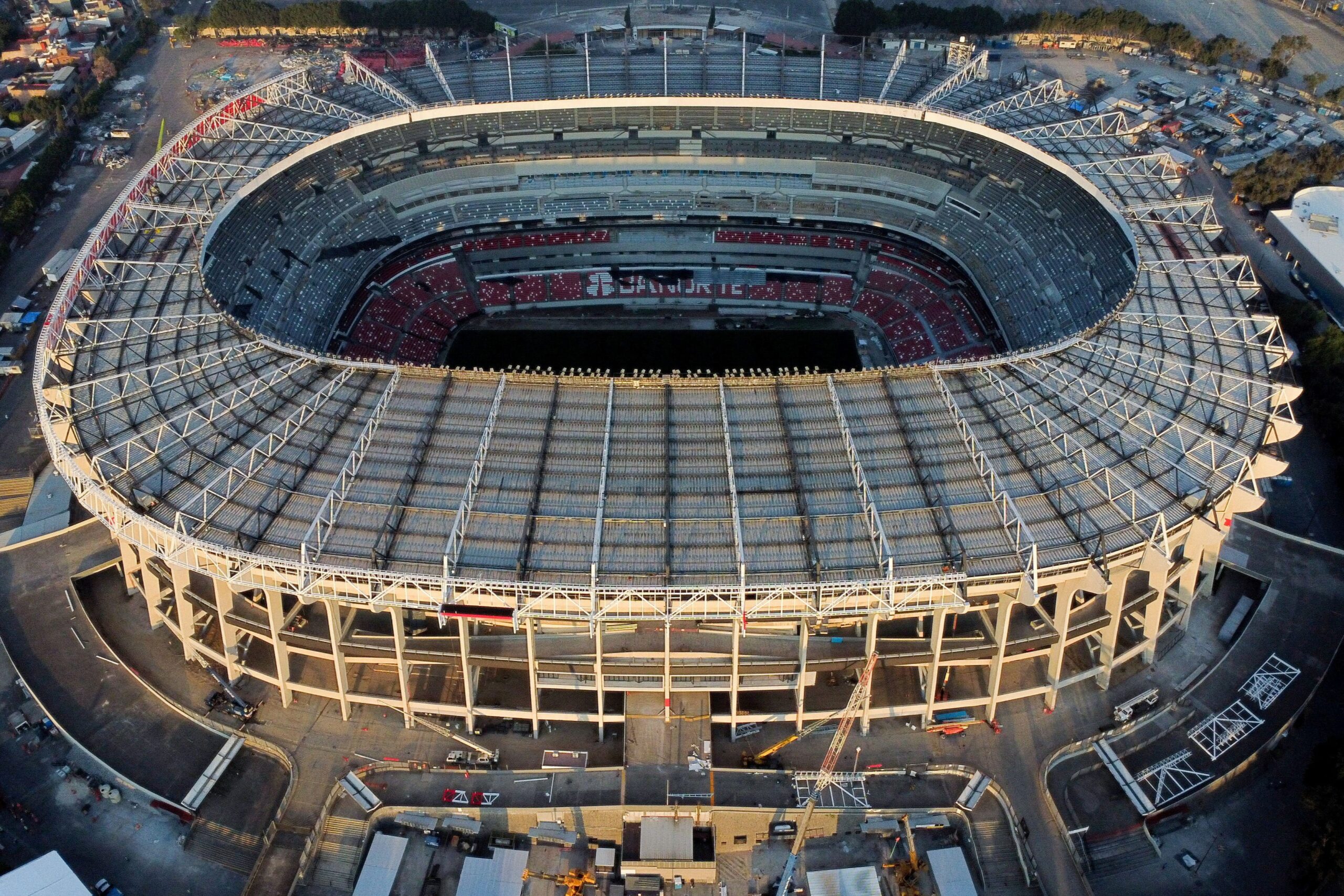
As anticipation builds for the 2026 World Cup, ticket sales are skyrocketing despite rising prices and geopolitical tensions. With just 100 days until the tournament begins across the United States, Mexico, and Canada, nearly two million tickets have already been sold, according to FIFA. The organization reports that demand has exceeded supply by more than 30 times, with a staggering 500 million ticket requests.
The excitement surrounding the event is tempered by concerns over recent international incidents. Following the U.S. attacks on Iran, which is set to compete in the tournament, many fans are apprehensive about traveling to the U.S. “I’m afraid I might not be allowed into the country,” said Tom Roeder, a German soccer fan. “I hope that at least the issue of war with Iran does not reach North America.”
Political Climate Affects Fan Sentiment
Tensions are not limited to international affairs; local disturbances have also raised alarms. Following the death of Mexico’s most-wanted cartel leader, violence erupted near Guadalajara, which will host several matches. Despite these concerns, Claudia Sheinbaum, President of Mexico, reassured fans that there is “no risk” in attending the World Cup. Meanwhile, Adrian Nunez Corte, leader of a Spanish fans’ association, noted that while anxiety exists, it has not significantly deterred ticket purchases.
Travel logistics add further complexity, as many fans plan to move between the U.S. and Mexico during the tournament. “People are taking preparation of the necessary visas seriously to avoid problems,” Corte remarked, highlighting the importance of planning ahead in light of current immigration policies.
Financial Implications of Ticket Pricing
The financial stakes for this World Cup are high, with projections indicating record profits for FIFA and its member federations. “The demand for the 2026 World Cup in the USA, Canada, and Mexico is the strongest I’ve ever experienced,” stated Michael Edgley, director at Australia’s Green and Gold Army Travel. However, the soaring ticket prices have raised concerns about accessibility.
The geographical spread of the tournament, which encompasses 16 host cities, adds to the challenges fans face. “The price of tickets has been a major drawback, particularly affecting the number of matches each fan will attend,” Corte explained.
The secondary ticket market complicates matters further, with many tickets being resold at prices significantly above face value. This trend poses challenges for fans hoping to attend the matches within their budget. FIFA has defended this model, asserting that revenue generated from ticket sales is reinvested into the global development of football. A spokesperson stated, “FIFA expects to reinvest more than 90% of its budgeted investment for the 2023-2026 cycle back into the game.”
The impact of increased pricing is evident in the experiences of international fan groups. Mehdi Salem, vice-president of the French football fans association Les Baroudeurs du Sport, reported a more than 200% rise in expected costs compared to prior tournaments. This has led to a significant reduction in attendance from their group, with only 100 of their approximately 400 members planning to participate. “We feel like this World Cup will not really be a people’s World Cup, but rather an elitist World Cup,” Salem added.
As the countdown to the tournament continues, the interplay between excitement and trepidation underscores the complex landscape surrounding the 2026 World Cup. Fans remain hopeful for memorable experiences, yet the realities of political tensions and economic barriers loom large. With the final sales phase set to begin in April, there remains an opportunity for fans to secure their place at this historic event.