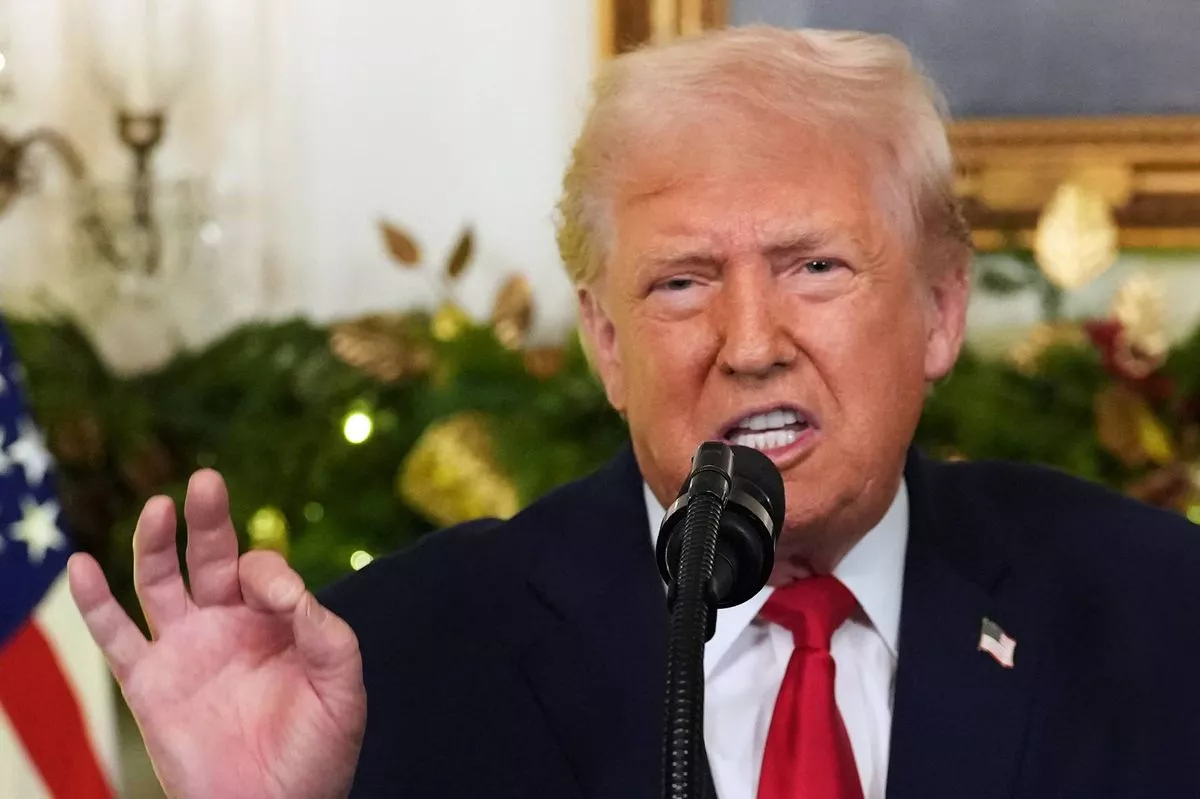
In a significant political maneuver, Donald Trump has appointed Jeff Landry, the Governor of Louisiana, as the US special envoy to Greenland. This decision is part of Trump’s ongoing efforts to assert American interests in the strategically located territory, which he has described as vital for global security. Despite facing strong opposition from Greenland, Trump remains undeterred in his ambitions to claim the island.
Resistance from Greenland
Greenland, an autonomous territory within the Kingdom of Denmark, has a population of fewer than 60,000 people. The island holds substantial strategic value for Denmark, NATO, and the European Union, largely due to its vast mineral resources and progressive social policies, which include free education and healthcare. Jens-Frederik Nielsen, the Prime Minister of Greenland, has firmly rejected Trump’s overtures, stating, “President Trump says that the United States ‘will get Greenland.’ Let me be clear: The United States will not get it. We do not belong to anyone else. We decide our own future.”
Trump’s approach has sparked tensions, particularly after reports emerged of secretive influence campaigns conducted by individuals connected to his administration in Greenland. In August, Danish authorities summoned the US ambassador to address these concerns, indicating the growing diplomatic strain between the nations.
Landry’s New Role and Future Implications
Governor Landry expressed his enthusiasm for the new position, emphasizing the importance of Greenland to US national security. Trump stated, “Jeff understands how essential Greenland is to our national security and will strongly advance our country’s interests for the safety, security, and survival of our allies, and indeed, the world.” Landry began his term as governor in January 2024, and his current term is set to conclude in January 2028.
Continuing his assertive rhetoric, Trump has not ruled out the use of military action to secure Greenland, despite Denmark being a NATO ally. This stance has raised concerns among European nations and has led to a broader dialogue about US military influence in the Arctic region. Earlier this year, JD Vance, the US Vice President, criticized Denmark for what he deemed insufficient investment in Greenland, further complicating diplomatic relations.
Both Denmark and Greenland have categorically stated that the island is not for sale and have condemned the allegations regarding American intelligence activities in the territory. The Danish Defense Intelligence Service released a report earlier this month, highlighting the perception that the United States is leveraging its economic power to intimidate both allies and adversaries.
The Danish Embassy in Washington did not immediately respond to inquiries regarding Landry’s appointment and the implications it may have for US-Danish relations. As the geopolitical landscape evolves, the situation in Greenland remains a focal point of international interest and concern.