President Donald Trump has proposed an extraordinary offer of $1 million for each resident of Greenland as part of a potential deal to gain control of the Arctic territory. This proposal could amount to approximately $57 billion, given the island’s population of around 57,000 people. The announcement comes after Trump previously indicated he would not pursue tariffs against eight European countries in an effort to secure Greenland’s ownership.
On January 22, 2024, Trump reversed his stance on tariffs, following earlier declarations of his desire to acquire the island, which he described as having “right, title, and ownership.” This shift in strategy marks a significant moment in U.S. foreign policy concerning the Arctic region.
Details of the Proposal
In a recent social media post, Trump revealed he had reached an understanding with NATO’s leader on a framework for future discussions regarding Arctic security. This agreement could have significant implications for international relations and military strategy. The president mentioned “additional discussions” on Greenland, specifically relating to the Golden Dome missile defense program, a complex system that represents a $175 billion investment in U.S. military capabilities.
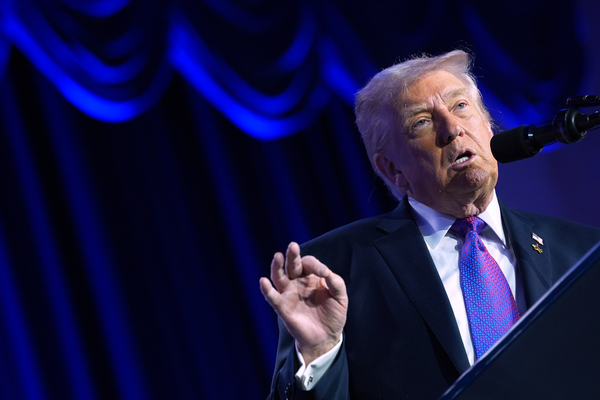
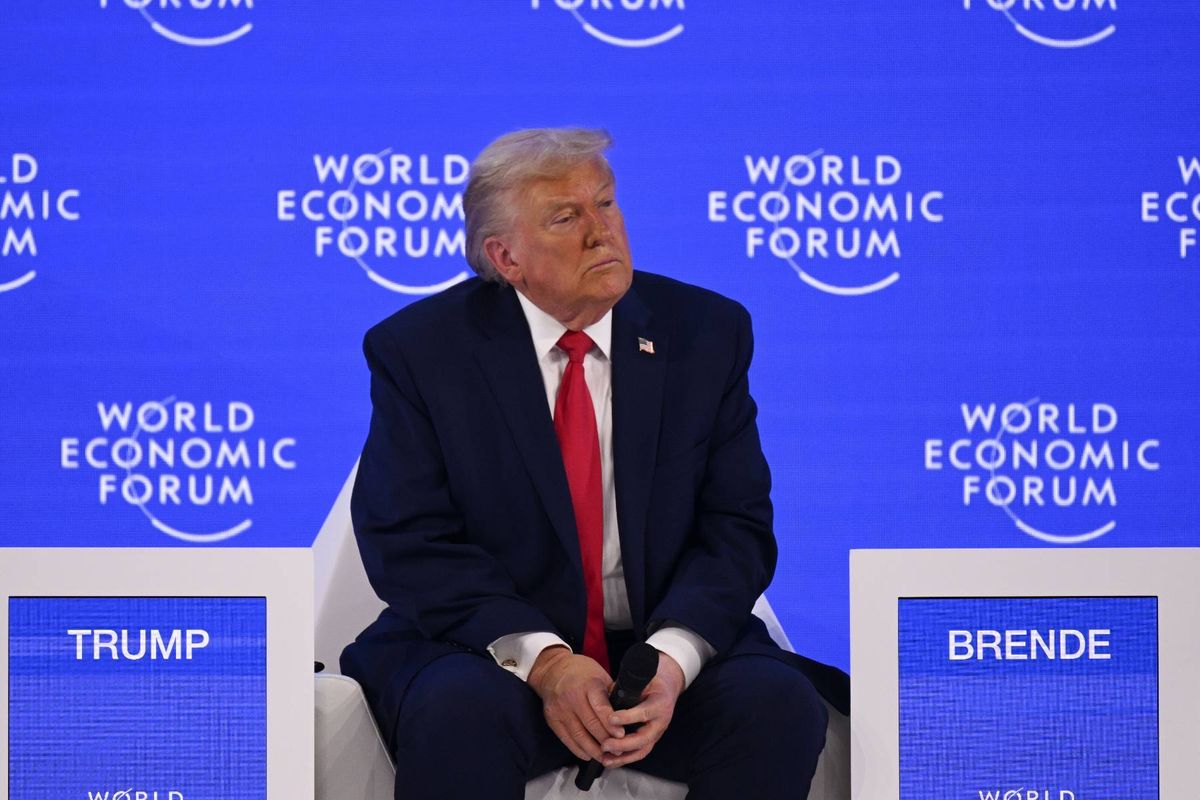
While addressing attendees at the World Economic Forum in Davos, Trump characterized his pursuit of Greenland as a strategic move for the United States. He stated that the territory is “cold and poorly located,” suggesting it does not hold immediate value. Trump also emphasized the historical context of U.S. contributions to Europe during World War II, arguing that the proposed offer is a modest request compared to past American support.
Potential Global Impact
The proposal to pay Greenland residents has raised eyebrows and questions about the feasibility and ethical implications of such an offer. Critics argue that this approach could undermine diplomatic relationships and raise concerns about the sovereignty of Greenland, which is a part of the Kingdom of Denmark.
Despite the contentious nature of the proposal, Trump maintains that a strong stance is necessary to achieve U.S. objectives. He remarked, “We probably won’t get anything unless I decide to use excessive strength and force, where we would be frankly unstoppable. But I won’t do that, OK?” This statement reflects his broader approach to negotiations and foreign policy.
As discussions continue, the ramifications of Trump’s proposal extend beyond Greenland and could reshape international relations in the Arctic. With heightened interest from various nations in the region’s resources and strategic significance, the outcome of these negotiations could have lasting effects on global dynamics.