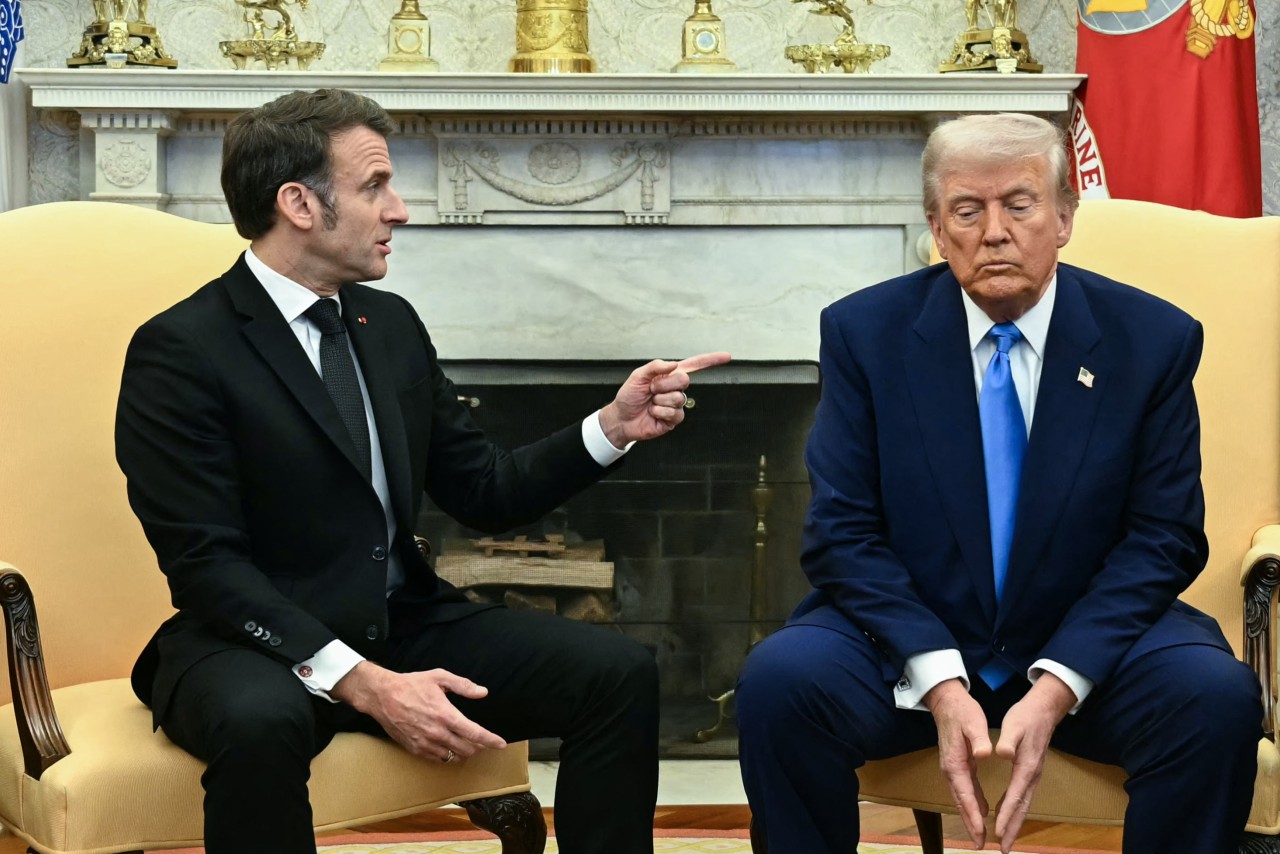
U.S. President Donald Trump has escalated trade tensions with France by threatening to impose a staggering 200% tariff on French wines. This move aims to leverage pressure on French President Emmanuel Macron to engage more actively in addressing the ongoing situation in Gaza. The proposed tariffs reflect Trump’s strategy to use economic tools to influence foreign policy, further complicating transatlantic relations.
In a statement made on July 10, 2023, Trump criticized France’s current stance, suggesting that Macron’s government should do more to resolve the humanitarian crisis in Gaza. “If they want to sell their wine here, they need to step up,” Trump asserted, emphasizing his administration’s intention to hold allies accountable for global challenges. The threat of such significant tariffs could have profound implications for the French wine industry, which exports approximately $1.5 billion worth of wine to the United States annually.
Impact on Trade Relations
The proposed tariffs are indicative of a broader pattern in Trump’s foreign policy approach, which often intertwines economic sanctions with diplomatic negotiations. “Our trade must reflect our values and priorities,” Trump stated, underscoring his belief that economic ties should align with political actions. This tactic has raised concerns among European leaders about the potential for a trade war.
The French wine sector, already reeling from the impacts of the COVID-19 pandemic, could face additional challenges if Trump’s tariffs are enacted. Industry analysts predict that French wine sales in the U.S. could plummet, leading to significant financial losses for producers. The French government has yet to respond officially to Trump’s latest threats, but previous trade disputes between the two nations have often resulted in retaliatory measures.
In addition to the wine tariffs, Trump reiterated his longstanding interest in acquiring Greenland, a topic that has sparked controversy and confusion. He claimed that both Europe and Denmark are unable to adequately protect the Arctic territory, suggesting that U.S. sovereignty could provide greater stability. “If they can’t handle it, we should take over,” Trump remarked, reflecting his assertive approach to foreign policy matters.
Global Reactions and Future Implications
The international community is closely monitoring these developments, particularly in light of the sensitive geopolitical climate surrounding Gaza. Trump’s approach has been met with mixed reactions, with some praising his directness while others criticize it as counterproductive. European leaders, including Macron, face the challenge of balancing trade interests with diplomatic relations as they navigate the complexities of Trump’s administration.
As the situation unfolds, the potential for economic repercussions on both sides remains high. The U.S. and France must find a way to reconcile their differences, especially as global issues like the Gaza crisis demand collaborative solutions. The evolving relationship between the two nations could set a precedent for how trade and diplomacy interact in the future, particularly in a world increasingly defined by economic interdependence.
The next steps from both leaders will be crucial in determining whether this trade threat will escalate or lead to constructive dialogue. With significant stakes involved, the international community watches closely as the U.S. administration works to balance its economic ambitions with the realities of global governance.