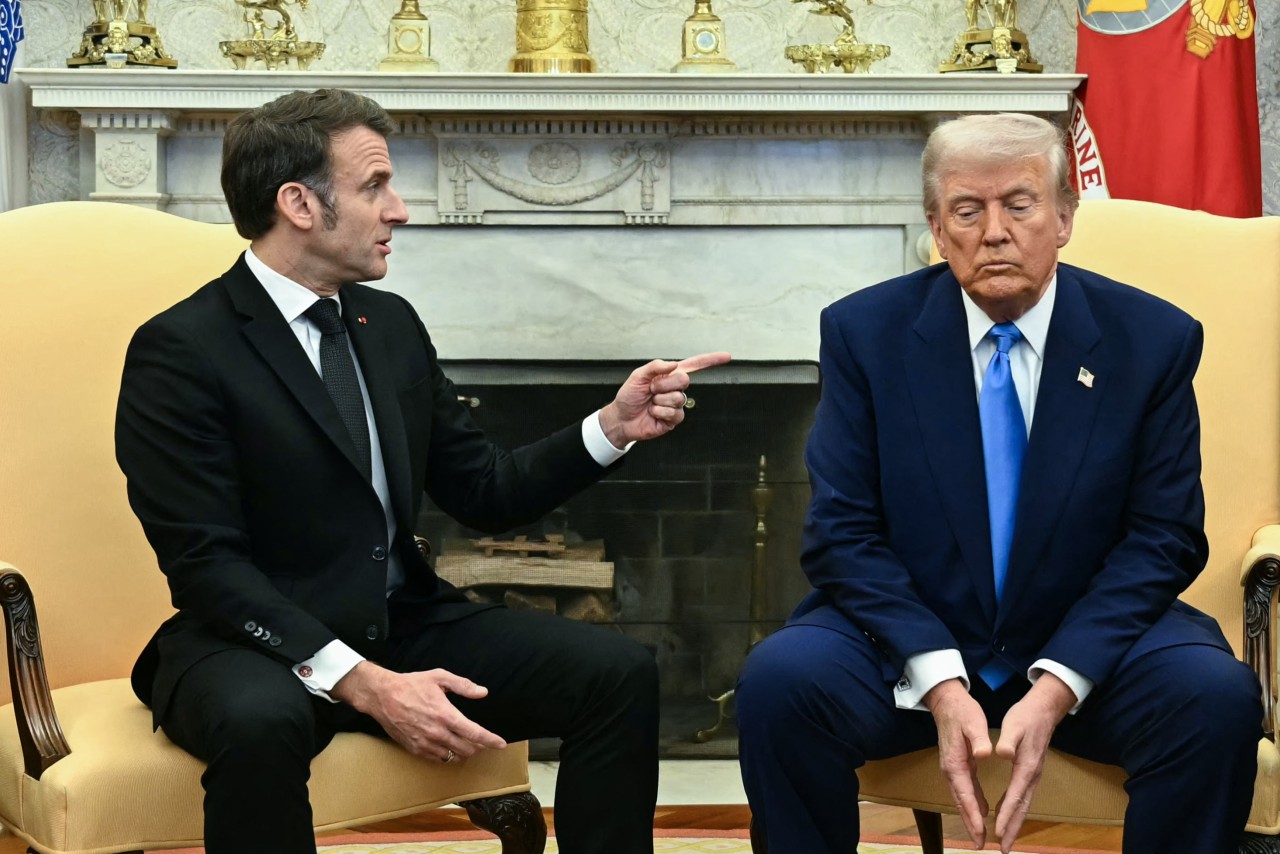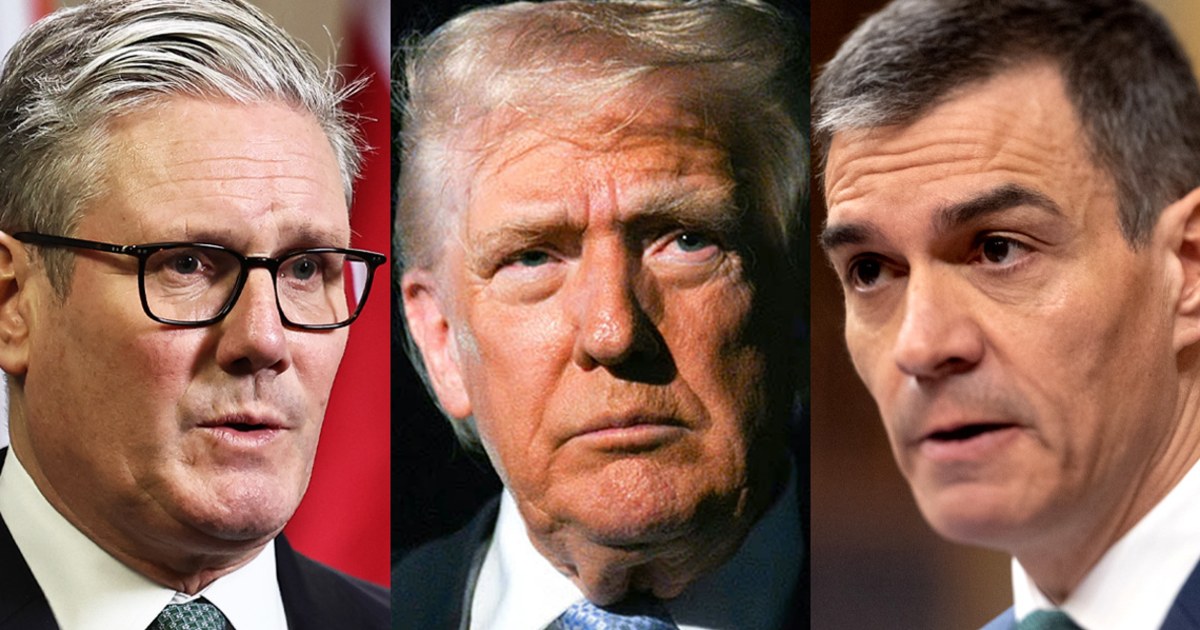
The ongoing conflict in Iran has intensified tensions between the United States and its European allies, drawing sharp criticism from President Donald Trump. Following a series of diplomatic confrontations, Trump has found himself largely isolated, relying heavily on Israel for support as European nations express hesitance to fully back U.S. military actions.
On Monday, Trump reacted publicly to U.K. Prime Minister Keir Starmer’s refusal to permit the U.S. to utilize British military bases for initial strikes against Iran, stating, “This is not Winston Churchill that we’re dealing with.” While the U.K. later allowed for the use of its bases for what it termed “defensive” actions, the episode highlighted a fracture in transatlantic relations.
Just one day later, Spain barred U.S. military aircraft from its jointly operated bases in Andalusia. In response, Trump threatened to “cut off all trade with Spain,” a member of the European Union’s single market. This escalated diplomatic tensions even further, with France backing Spain. French President Emmanuel Macron criticized the strikes on Iran as “outside the framework of international law,” further straining relations.
Despite some European leaders maintaining a cautious approach, Germany has managed to stay in Trump’s favor. Chancellor Friedrich Merz permitted the use of the Ramstein Air Base amid the conflict, prompting Trump to commend Germany for its cooperation, stating, “Germany’s been great.” Additionally, reports from the Italian newspaper Corriere della Sera indicated that Trump praised Italian Prime Minister Giorgia Meloni, who reaffirmed Italy’s commitment to existing military agreements.
The White House has emphasized the importance of European cooperation in what Trump describes as a long-sought mission against Iran. White House Press Secretary Karoline Leavitt stated that Iran poses a threat not only to the U.S. but also to its European allies.
While European nations were integral to previous military interventions in Afghanistan and Iraq, the current situation illustrates a divide. Some experts suggest that despite the mixed responses, European governments continue to provide varying degrees of support. Fawaz Gerges, a professor at the London School of Economics, noted, “We should not really focus on the rhetoric of European leaders. We should focus on their actions and their deployment of naval and air power.”
In a recent press briefing, Kaja Kallas, the European Union’s foreign policy chief, acknowledged that the U.S.’s foreign policy shift has “rocked the trans-Atlantic relationship to its foundation.” However, she accused Iran of being “an exporter of war,” illustrating a common concern among European leaders regarding Iranian activities.
Despite ongoing disagreements with Trump, Kallas emphasized that most European leaders still see the necessity of relying on the American strategic umbrella for security. Gerges highlighted that while Spain’s Prime Minister has taken a strong stand against U.S. actions, the continent remains unified in its commitment to defend against Iranian threats. Spain, Italy, France, and the Netherlands have all deployed naval and air assets to Cyprus following an Iranian-made drone attack on a British base there.
Moreover, the British Ministry of Defense announced that one of its aircraft carriers has been placed on advanced readiness, signaling potential military escalation in the region. Trump responded to Starmer’s actions on social media, stating, “That’s OK, Prime Minister Starmer, we don’t need them any longer. We don’t need people that join wars after we’ve already won!”
The U.S. has also sought support from Ukraine, with President Volodymyr Zelenskyy confirming that the U.S. requested assistance regarding anti-drone defenses. Reflecting on the evolving dynamics, Michael Bociurkiw from the Atlantic Council noted that European governments may be beginning to act more independently, recognizing the need for their own strategic initiatives.
As the situation develops, the complexities of international relations and military cooperation in the face of conflict remain at the forefront of discussions, with both U.S. and European leaders navigating a delicate balance of diplomacy and defense.