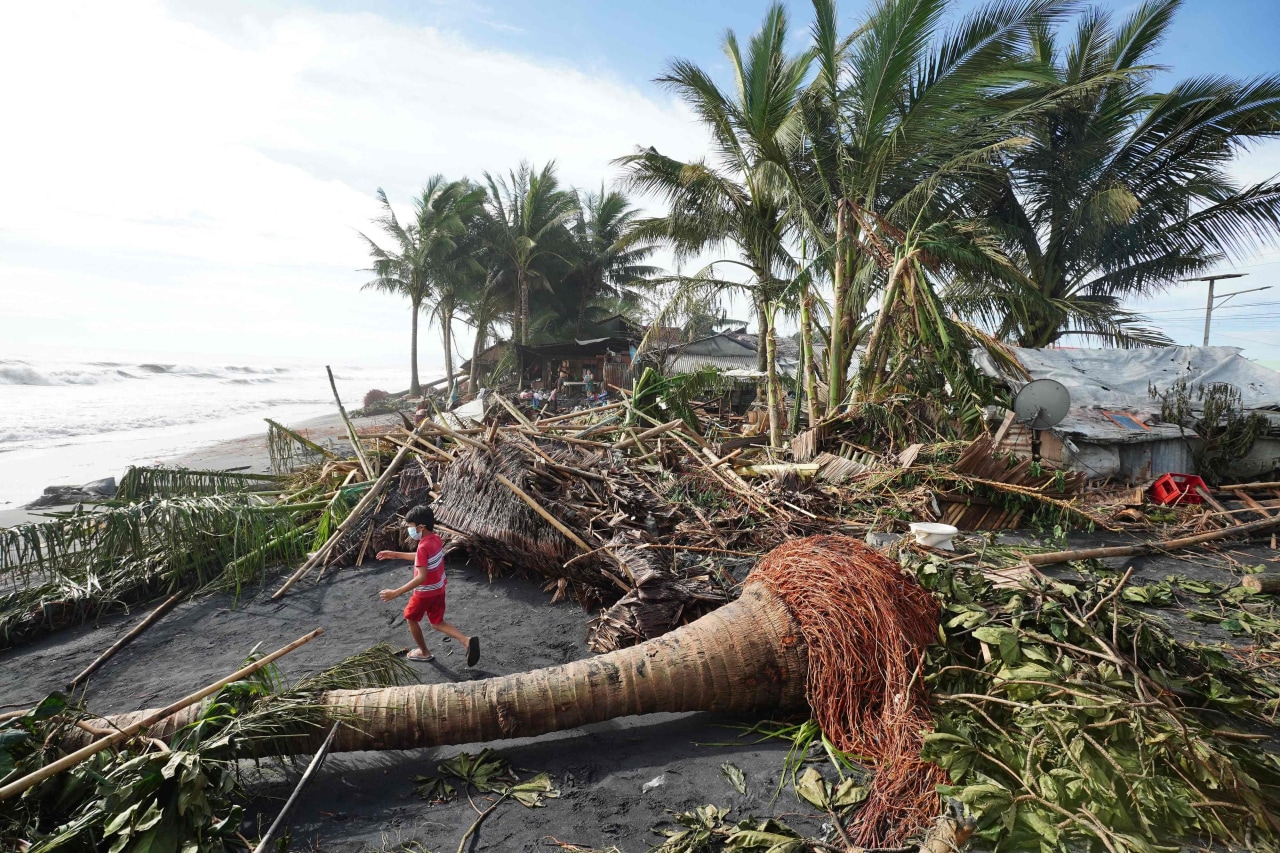
Survivors of devastating typhoons in the Philippines have taken legal action against Shell, claiming that the oil company has long been aware of its contribution to climate change through fossil fuel emissions. The lawsuit, filed in late 2023, accuses Shell of neglecting its responsibility to address the environmental impact of its operations, which the survivors argue has exacerbated natural disasters in the region.
The claimants assert that Shell’s activities have significantly contributed to global warming, which in turn has led to increased severity and frequency of typhoons in the Philippines. According to the Philippine Atmospheric, Geophysical and Astronomical Services Administration, the country experiences an average of 20 typhoons each year, with many causing devastating damage to communities and infrastructure.
Legal Action Amid Rising Climate Concerns
The lawsuit is part of a growing trend where communities affected by climate change seek accountability from major fossil fuel companies. Survivors are demanding that Shell take responsibility for its role in climate-related disasters and provide compensation for the losses incurred. The plaintiffs argue that Shell has known for decades about the adverse effects of burning fossil fuels yet has failed to act decisively to mitigate those impacts.
In a statement, Shell has disputed the claims, insisting that it is committed to reducing carbon emissions and transitioning to more sustainable energy sources. The company points to its investments in renewable energy initiatives as evidence of its commitment to addressing climate change. Shell has also stated that the lawsuit could undermine efforts to combat climate change by diverting attention from collaborative solutions.
Impact on Communities and Climate Action
The legal proceedings have sparked discussions about the accountability of corporations in the face of climate change. Advocacy groups assert that holding companies like Shell accountable is crucial for driving systemic change. Many believe that if corporations are made to face the consequences of their actions, it could lead to more rigorous standards and practices aimed at reducing emissions and enhancing climate resilience.
The Philippines is among the countries most vulnerable to climate change, facing an uphill battle against rising sea levels and extreme weather events. As communities struggle to recover from the latest typhoons, the outcome of this lawsuit may have significant implications for both local economies and global climate policies.
This case highlights the urgent need for meaningful action in the fight against climate change. As the legal battle unfolds, it remains to be seen how it will influence corporate responsibility and climate action initiatives worldwide. The typhoon survivors’ lawsuit against Shell serves as a critical reminder of the human impact of climate change and the necessity for accountability in the fossil fuel industry.