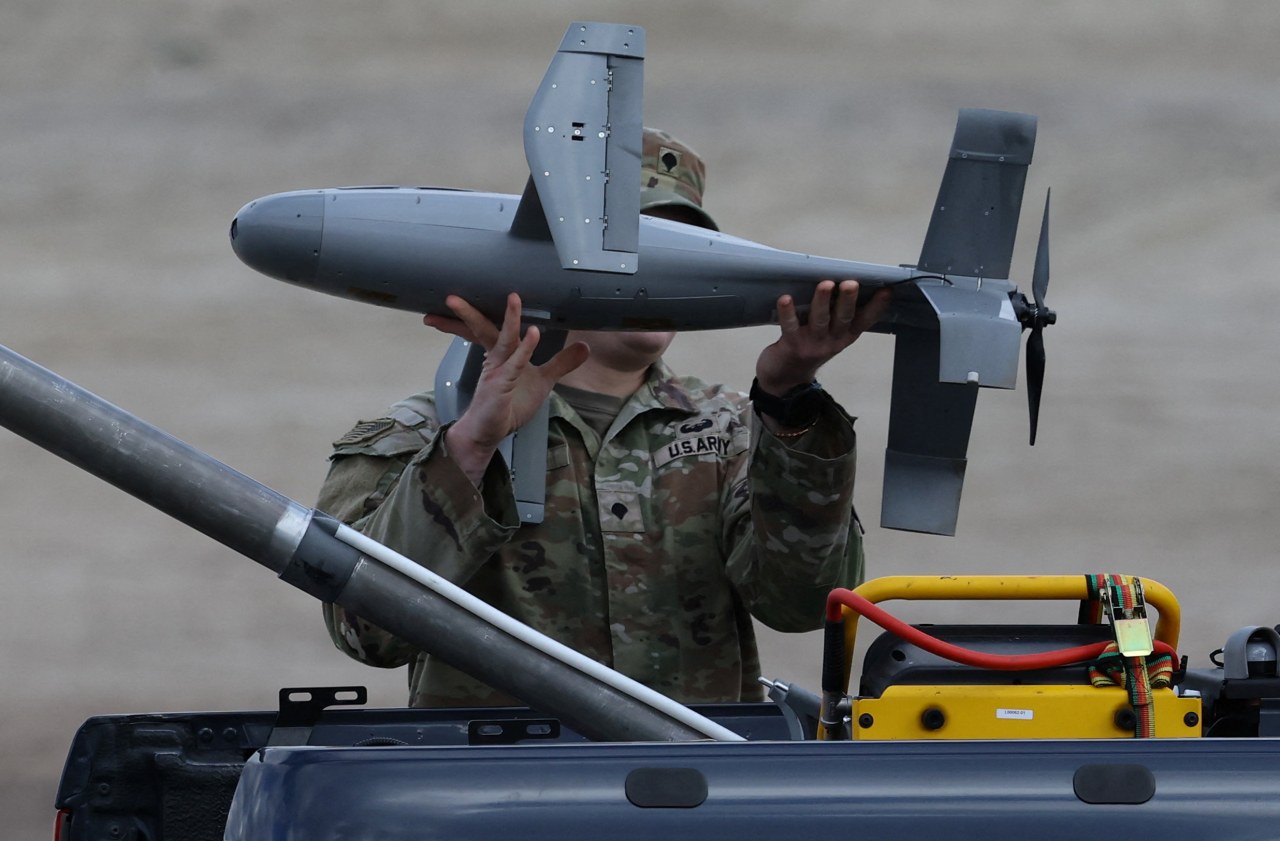
The U.S. Army has begun deploying advanced drones to combat Iranian drone technology, specifically targeting the capabilities of Iranian-made Shahed drones used by Russia in its ongoing conflict with Ukraine. These drones, known as Merops, are developed by a company owned by former Google CEO Eric Schmidt and have gained recognition for their effectiveness in the Ukrainian theater.
The decision to send these drones is part of a broader military strategy aimed at enhancing air defense capabilities in regions threatened by drone warfare. The Merops drones are engineered to counteract the increasing use of Shahed drones by Iranian forces, which have been reported to cause significant damage and disruption. This move aligns with the Pentagon’s commitment to bolster Ukraine’s defense against Russian aggression, particularly as the conflict continues to evolve.
Strategic Impact on Regional Security
The introduction of Merops drones is expected to have substantial implications for both Ukrainian and regional security. The drones are equipped with sophisticated technology that allows them to identify and neutralize threats posed by the Shahed drones effectively. According to military analysts, this counter-drone strategy could shift the balance of power in the air, potentially minimizing the effectiveness of Iranian drone attacks.
The U.S. Army allocated an estimated $300 million for the procurement and deployment of these drones, highlighting the seriousness of the threat posed by Iranian drone technology. The funding is part of a larger defense package aimed at reinforcing Ukraine’s military capabilities, which has been under constant strain from Russian drone assaults.
Additionally, the Merops drones are expected to enhance intelligence-gathering capabilities. They can transmit real-time data to command centers, allowing military strategists to make informed decisions on the battlefield. This capability is crucial as the conflict intensifies and the need for effective surveillance becomes paramount.
Background on Drone Warfare
The conflict in Ukraine has seen a significant increase in the use of drones, transforming modern warfare tactics. The Shahed drones deployed by Russian forces have been utilized for reconnaissance and targeted strikes, leading to devastating effects on civilian and military infrastructure alike. The effectiveness of these drones has prompted the U.S. and its allies to seek countermeasures to protect their interests and support Ukraine.
The Merops drones are part of an ongoing collaboration between the U.S. and Ukraine, reflecting a shared commitment to countering threats posed by advanced weaponry. As the conflict continues, the introduction of these sophisticated systems represents a critical step in addressing the challenges of modern warfare, particularly in relation to drone technology.
In summary, the U.S. Army’s deployment of Merops drones underscores a proactive approach to mitigating the threats posed by Iranian drone technology. This initiative not only strengthens Ukraine’s defensive capabilities but also serves as a warning to adversaries that the U.S. remains committed to safeguarding international security. The ongoing evolution of drone warfare will undoubtedly shape future military strategies, and the U.S. is keenly aware of the need to adapt to these emerging threats.