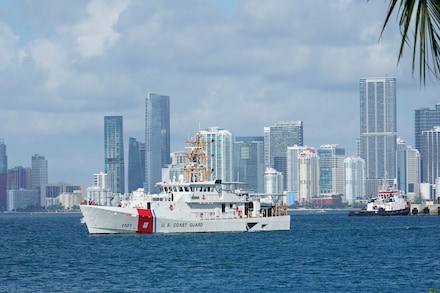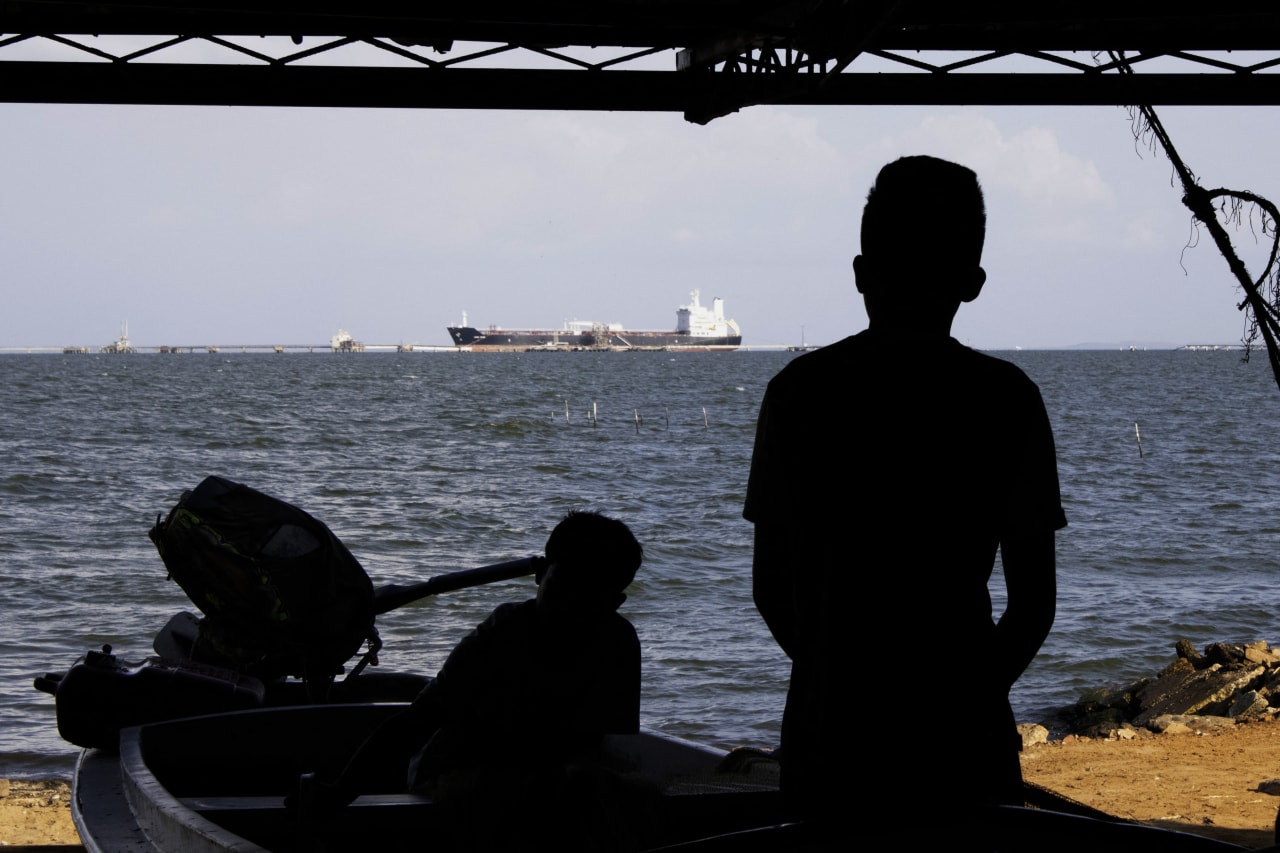
The U.S. Coast Guard has intercepted the tanker Olina in waters near Venezuela, marking the fifth vessel targeted in an ongoing campaign aimed at curbing the country’s oil exports. This operation highlights the U.S. government’s effort to enforce sanctions against Venezuelan oil shipments, deemed crucial in the fight against the nation’s economic instability.
The Olina was intercepted on October 10, 2023, as it engaged in activities linked to the transportation of oil that has been subject to U.S. sanctions. The tanker reportedly sought to evade detection while attempting to deliver crude oil, which has been a significant source of revenue for the Venezuelan government amidst international restrictions.
This latest interception underscores the U.S. commitment to monitoring and disrupting illicit oil trade in the region. The Coast Guard’s actions reflect broader geopolitical tensions surrounding Venezuela’s economy, which has suffered drastically due to a combination of internal mismanagement and external sanctions.
The U.S. Coast Guard has emphasized its role in ensuring maritime security, particularly in enforcing international sanctions. In the last few weeks, operations have intensified, with authorities taking decisive actions against vessels suspected of involvement in the transport of sanctioned oil. Each interception serves as a warning to those attempting to bypass these sanctions.
With the Venezuelan economy heavily reliant on oil exports, the implications of such actions are significant. The U.S. has targeted several tankers this year alone, aiming to sever the financial lifeline that oil exports provide to the Venezuelan government. According to reports, the ongoing sanctions have resulted in a dramatic decline in the country’s oil production, which has fallen to its lowest levels in decades.
The interception of the Olina is part of a coordinated effort that involves multiple agencies and international partners. By working together, these entities aim to create a comprehensive strategy to combat the illicit oil trade and support sanctions enforcement.
As the situation develops, it remains to be seen how these interventions will impact Venezuela’s economy and its relations with other nations involved in the oil trade. The U.S. continues to monitor the situation closely, prepared to take further actions to enforce its policies.
This operation demonstrates the complexities of international sanctions and their enforcement, illustrating the ongoing challenges faced by the U.S. and its allies in addressing the economic and political crises in Venezuela. The interception of the Olina adds another layer to the intricate web of global oil trade and sanctions, highlighting the far-reaching consequences of geopolitical decisions.