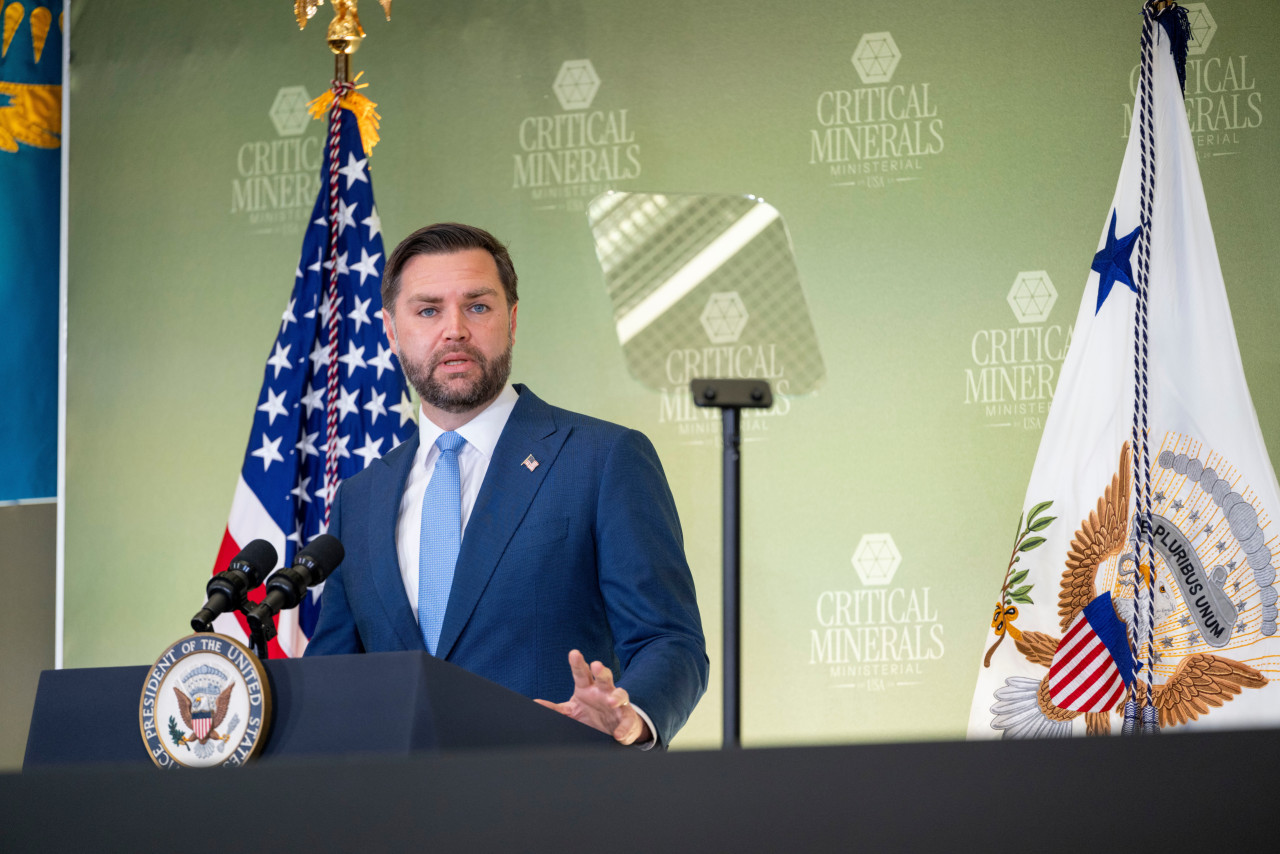
The United States has officially partnered with Mexico, the European Union (EU), and Japan to create a collaborative framework aimed at countering China’s significant dominance in the critical minerals sector. This initiative, announced on March 1, 2024, seeks to establish a “preferential trade zone” that will facilitate the secure sourcing and supply of essential minerals used in various high-tech industries.
This strategic move arises from growing concerns about China’s control over the global supply chain for critical minerals, which are vital for technologies ranging from electric vehicles to renewable energy systems. By forming these alliances, the U.S. aims to reduce its dependency on Chinese imports and bolster its own supply chain resilience.
Strengthening Trade Relationships
The agreements include commitments to enhance trade relationships by sharing resources, technology, and expertise among the four regions. Leaders from each participating country emphasized the importance of collaboration in achieving a secure and sustainable supply of minerals.
U.S. Secretary of Commerce Gina Raimondo stated, “This partnership is crucial for securing our supply chains and ensuring that we can meet the demands of our energy transition and technological innovations.” The collective initiative highlights a concerted effort to establish standards and regulations that promote responsible sourcing and environmental sustainability in mineral extraction and processing.
Alongside promoting economic cooperation, the agreements aim to set a framework for investment in mining and processing facilities across the member nations. This investment is expected to create job opportunities and support local economies, particularly in regions rich in mineral resources.
Geopolitical Implications
The formation of this preferential trade zone carries significant geopolitical implications. As nations grapple with the realities of economic dependencies, the U.S. and its allies seek to present a united front against challenges posed by China’s strategic positioning in global mineral markets.
According to a report by the U.S. Geological Survey, China currently produces over 60% of the world’s rare earth elements, underscoring the urgency for countries to diversify their supply chains. The recent initiative not only aims to diminish this reliance but also to enhance the bargaining power of the U.S., Mexico, the EU, and Japan in future trade negotiations.
The collaborative efforts reflect a broader strategic vision as nations increasingly recognize the importance of critical minerals in achieving technological advancements and energy independence. As the global demand for electric vehicles and renewable energy grows, the need for secure and sustainable supply chains becomes even more pronounced.
The partnerships also align with ongoing discussions at international forums regarding trade security and environmental standards. By establishing clear guidelines within this trade zone, the allied nations hope to influence global norms and practices related to mineral sourcing and utilization.
In conclusion, the United States’ collaborative initiative with Mexico, the EU, and Japan marks a significant step towards redefining the landscape of critical minerals trade. As these nations work together to foster a more balanced and sustainable supply chain, the implications for global trade dynamics and geopolitical strategies will continue to unfold.