In recent months, the United States’ renewed fuel blockade against Cuba has severely impacted daily life on the island. Residents like Marta Jiménez, a hairdresser from the eastern city of Holguín, express profound despair as the blockade restricts essential resources. “You can’t imagine how it touches every part of our lives,” she said, breaking down in tears as she described the dire consequences of limited fuel availability.
With oil shipments halted, the situation has turned critical. Public transportation relies on gasoline, which has become nearly impossible to access. Residents face electricity shortages of just three to six hours daily, and cooking gas is nonexistent, forcing families to resort to burning wood and charcoal. For many, this regression feels like a step back in time. Jiménez emphasized the blockade’s toll, particularly on vulnerable populations, stating, “The blockade is suffocating us — especially single mothers.”
The humanitarian aid brought in by organizations such as CODEPINK and the Cuban-American group Puentes de Amor aims to alleviate some suffering. Recently, volunteers delivered 2,500 pounds of lentils to the region, highlighting the escalating need for assistance. Yet, while food donations provide temporary relief, they cannot address the larger issue of fuel scarcity that underpins many challenges faced by Cubans.
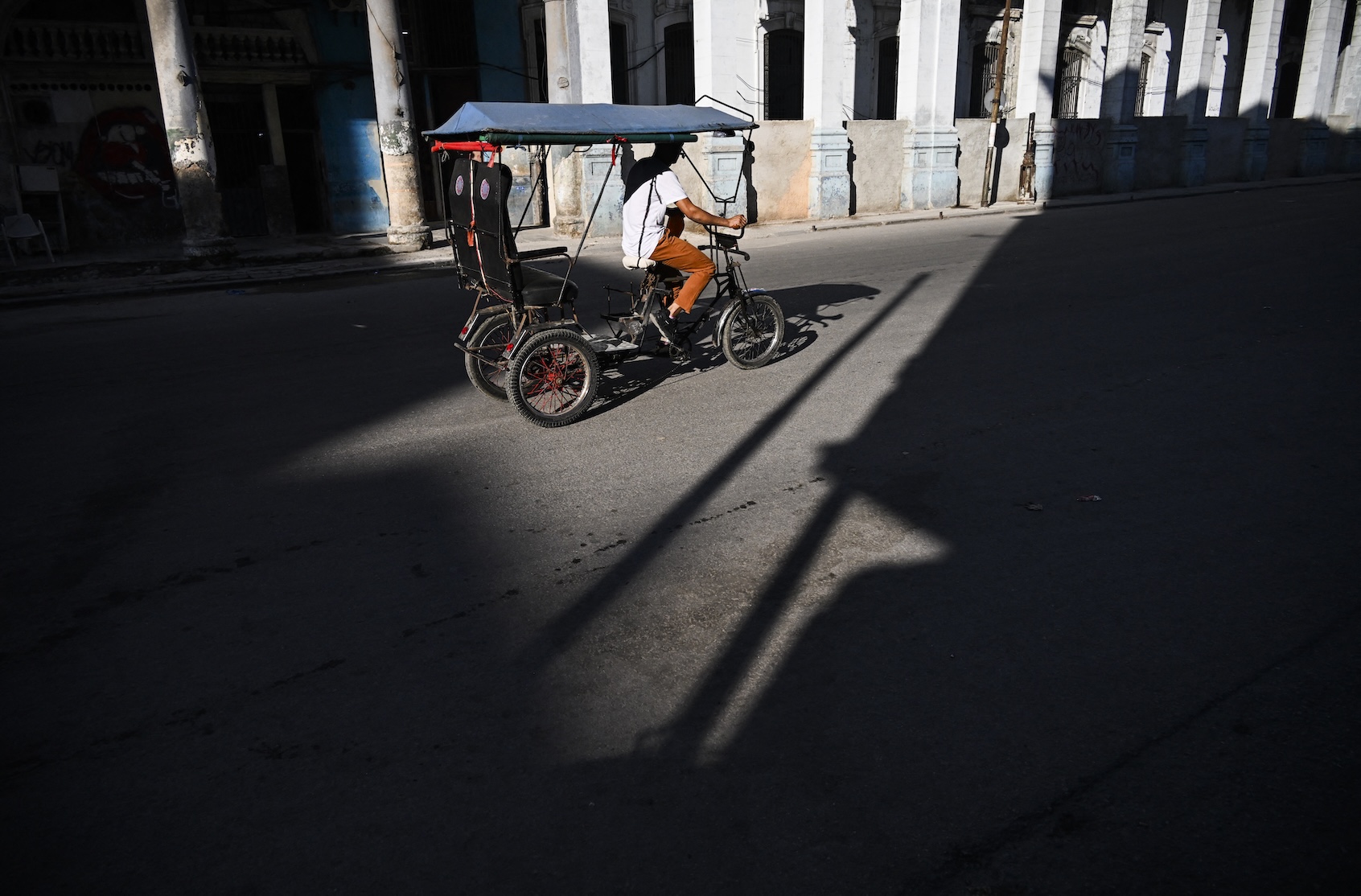
The atmosphere in Holguín reflects the severity of the crisis. Upon arrival, there were no taxis at the airport, with only a few gasoline-powered vehicles visible on the streets. An abundance of bicycles and electric vehicles, primarily imported from countries like Panama, filled the void. However, their high costs—around $2,000—limit accessibility to those with family abroad who can provide remittances.
Local resident Javier Silva, earning 4,000 pesos a month, lamented, “I could never buy one of those on my salary.” With inflation soaring, the dollar is valued at approximately 480 pesos, rendering many basic goods unaffordable. Although Cubans do not pay rent or have mortgages and healthcare remains free, the escalating cost of living presents significant hurdles, particularly regarding food.
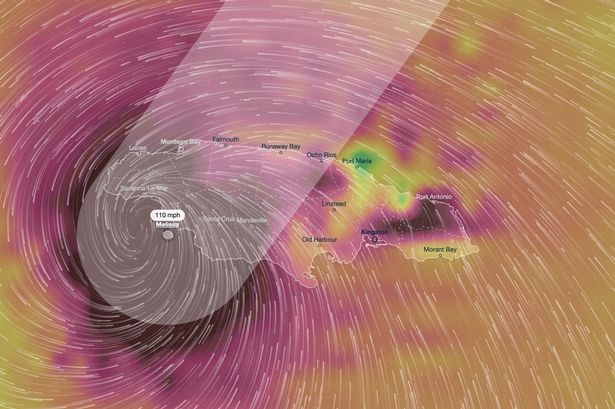
Markets in Holguín remain stocked, yet prices for staples such as pork, chicken, and milk are out of reach for most families. The situation worsened this year when Hurricane Melissa devastated local agriculture, further complicating food production. Without gasoline for tractors or electricity for irrigation, many farmers face insurmountable challenges in replanting and repairing damaged crops.
The sanctions imposed by the U.S. government, often justified as a means to promote capitalism, are paradoxically stifling the very private sector that many Cubans rely on for survival. Production stagnates as factories cease operations due to power shortages, and skilled workers abandon state jobs for more sustainable livelihoods. For instance, individuals like Jorge, who once worked as an engineer, now operate small businesses in the informal market.
While some locals express frustration with their own government, citing a desire for change, there is a palpable consensus against the blockade itself. One man, engaged in illegal currency exchange, said, “This government is terrible,” but he quickly added, “That man is the devil,” referring to Marco Rubio, a prominent figure in advocating for the sanctions.
Cubans recall a time when relations with the United States were less strained, particularly during the administration of Barack Obama, when diplomatic ties were briefly thawed. “If they just left us alone, we could find our own solutions,” one resident remarked, underscoring the desire for autonomy in their struggles.
The resilience of the Cuban people shines through in their ability to support one another. Neighbors trade goods and share resources, living by the motto “no hay, pero se resuelve” (we don’t have much, but we make it work). Government-provided meals for the most vulnerable populations, including the elderly and disabled, are becoming increasingly challenging to sustain as food resources dwindle.
As the situation deteriorates, Cubans are left questioning their future. Many express uncertainty about the potential for regime change, with some humorously suggesting that Donald Trump could be given a tourism position to distract him from interfering in their lives. Yet, the reality remains stark: daily survival grows more precarious.
Despite these hardships, individuals like Ernesto, who repairs refrigerators during power outages, maintain a hopeful outlook. “We’re rebels,” he stated, recalling past struggles against oppressive regimes. He invoked the words of renowned Cuban songwriter Silvio Rodríguez: “Time belongs to the small, the exposed, the forgotten.”
In this ongoing crisis, the resilience and spirit of the Cuban people continue to shine, underscoring their ability to adapt and endure amid adversity.