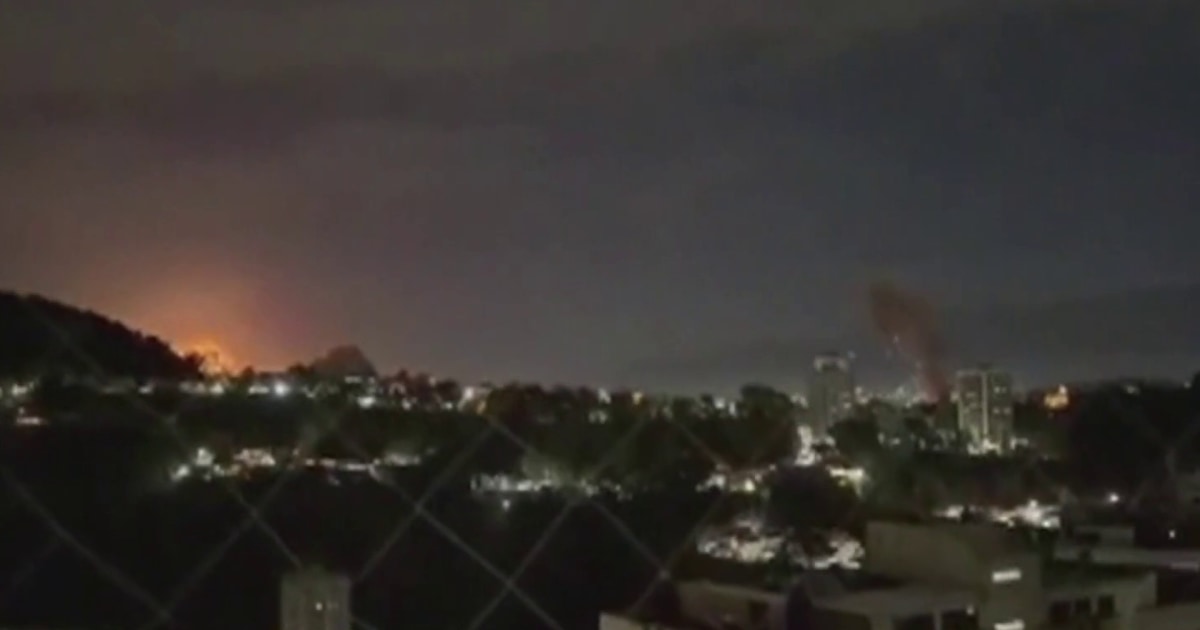
The recent U.S. military strikes in Venezuela have sparked significant international attention, particularly regarding how key global players like Russia and China might respond. These actions, aimed at addressing ongoing geopolitical tensions, could lead to a complex array of diplomatic and economic repercussions in the region.
Understanding the U.S. Actions
On January 3, 2026, the United States conducted targeted strikes in Venezuela, justified by Washington as necessary to counter perceived threats from the Venezuelan government. This military engagement has raised alarms among various nations that maintain close ties with Venezuela, notably Russia and China. Both countries have historically supported the Venezuelan government, providing it with economic and military assistance.
Keir Simmons, NBC News Chief International Correspondent, highlighted the potential ramifications of these strikes. He noted that the U.S. actions are likely to be viewed unfavorably by nations that oppose American interventionist policies. Russia and China could respond with strong diplomatic protests and may even consider increasing their support for Venezuela, both politically and economically.
Potential Diplomatic Responses
As tensions escalate, Russia is expected to issue a formal condemnation of the U.S. strikes. Russian officials may also call for an emergency meeting of the United Nations Security Council to discuss the situation. Historically, Russia has defended Venezuela’s sovereignty and criticized U.S. interventions in Latin America.
In contrast, China, which has significant investments in Venezuela, might take a more measured approach. While publicly supporting Venezuela, China may engage in behind-the-scenes negotiations to assess the impact of the U.S. actions on its economic interests in the region. Analysts suggest that China could leverage its economic influence to strengthen its position, providing further financial aid or resources to the Venezuelan government.
Moreover, both countries may strengthen their military cooperation with Venezuela as a countermeasure to perceived U.S. aggression. Increased arms sales or joint military exercises could be on the table, reinforcing their commitments to Venezuelan President Nicolás Maduro.
Implications for Global Relations
The U.S. strikes could also influence broader geopolitical dynamics. Countries in Latin America may feel pressured to take sides, which could lead to a realignment of alliances. Nations that have been hesitant to support the U.S. may find themselves in a difficult position, balancing their relations with both Washington and Caracas.
Additionally, the economic repercussions could be significant. Sanctions against Venezuela have already crippled its economy, and further military actions may exacerbate this situation. This could lead to increased migration flows, potentially impacting neighboring countries and creating humanitarian challenges.
As the situation develops, global stakeholders will be closely monitoring the responses from Russia and China. The international community remains divided on the best approach to address the ongoing crisis in Venezuela, making the coming weeks crucial for diplomatic relations.
In summary, the U.S. strikes in Venezuela may provoke strong reactions from global partners, particularly Russia and China. How these countries choose to respond will likely shape the future of U.S.-Venezuela relations and influence the geopolitical landscape in Latin America.