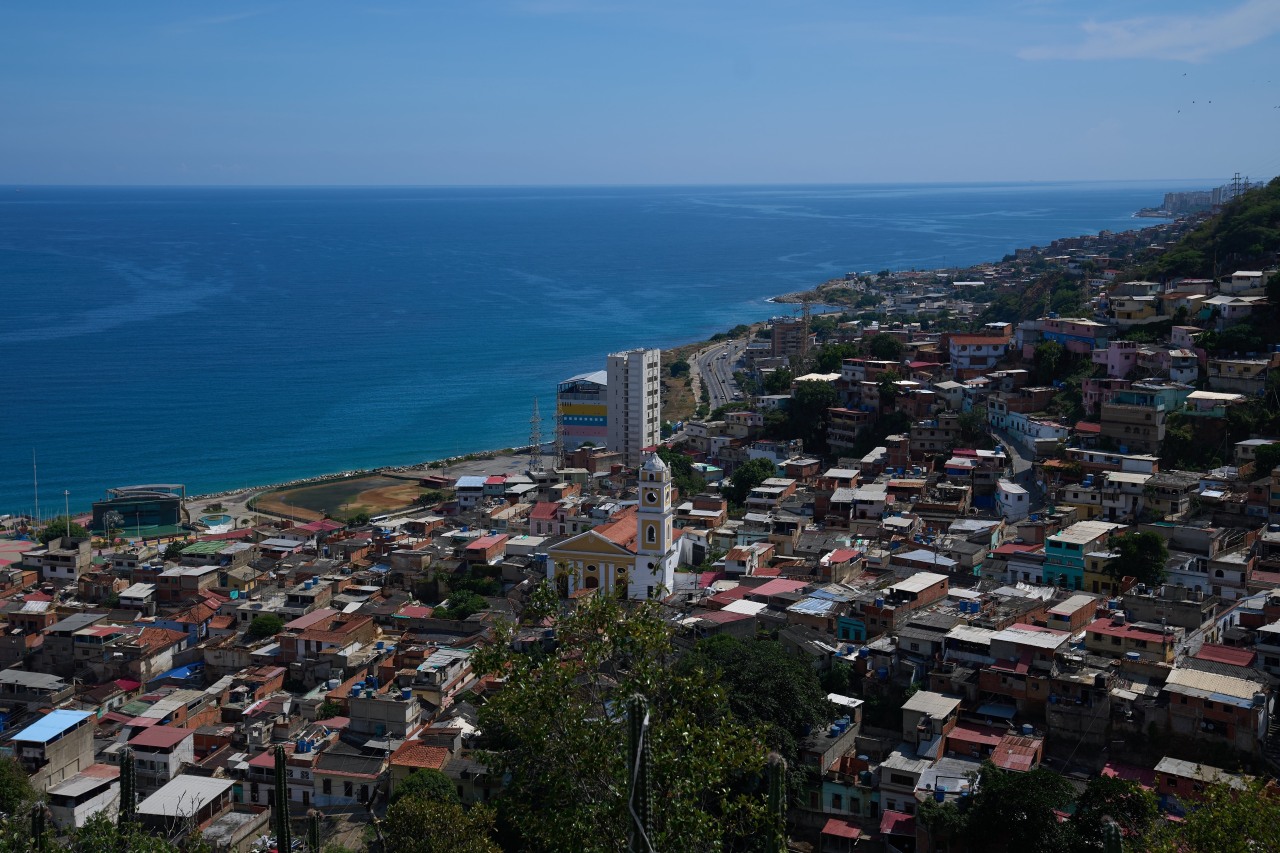
The United States seized an oil tanker off the coast of Venezuela on October 4, 2023, intensifying pressure on the government of President Nicolás Maduro. This action followed a covert operation in which U.S. officials facilitated the escape of Venezuelan opposition leader Juan Guaidó from the country. The U.S. Coast Guard intercepted the tanker in the Caribbean Sea, reflecting Washington’s ongoing strategy to disrupt the Maduro regime’s oil exports amid international sanctions.
The tanker, identified as the “Carmen,” was reportedly transporting crude oil to Cuba, a key ally of Venezuela. This seizure is part of a broader campaign by the U.S. to limit Maduro’s access to oil revenues, which are critical for sustaining his government. The U.S. has imposed stringent sanctions on the Venezuelan oil sector, aiming to cripple the economy and support democratic governance in the country.
U.S. Secretary of State Antony Blinken emphasized that these actions demonstrate Washington’s commitment to holding the Maduro regime accountable for its actions. Blinken stated, “The United States will continue to take decisive measures to counter the illegitimate activities of the Maduro regime, which undermine democracy and threaten regional stability.”
The escalation is indicative of the deteriorating relations between Washington and Caracas. This incident occurs against a backdrop of increased diplomatic tensions, with both countries accusing each other of interference and aggression. The U.S. has expressed concerns over human rights violations in Venezuela, while the Maduro administration has denounced U.S. sanctions as illegal and harmful to the Venezuelan people.
In recent months, the Biden administration has sought to unify international efforts to restore democracy in Venezuela. This includes rallying support from regional partners in Latin America, as well as seeking a multilateral approach to address the humanitarian crisis resulting from the economic collapse in Venezuela.
The oil industry is a lifeline for Venezuela, which has the largest proven oil reserves in the world. However, due to mismanagement and U.S. sanctions, the country’s oil production has plummeted to historic lows. In 2022, Venezuela’s output fell to approximately 600,000 barrels per day, a stark decline from over 3 million barrels per day in the late 1990s.
The seizure of the “Carmen” is not an isolated incident; it reflects a pattern of U.S. maritime actions aimed at disrupting Venezuelan oil shipments. In recent years, the U.S. has repeatedly targeted vessels believed to be involved in transporting oil from Venezuela to other countries. Such actions are intended to enforce compliance with U.S. sanctions and to hinder the Maduro administration’s ability to generate foreign currency.
As the situation unfolds, analysts predict further confrontations between the U.S. and Venezuela. The Maduro regime has vowed to fight back against U.S. interventions, and tensions are likely to escalate further. The international community is watching closely, as the implications of these actions extend beyond Venezuela, potentially affecting regional security and oil markets.
The impact of the U.S. seizure of the tanker will likely reverberate through international oil markets, particularly if it signals a more aggressive U.S. stance towards Venezuelan oil exports. Market analysts are already speculating about potential disruptions in supply chains and the broader implications for global oil prices, especially as the world grapples with energy challenges.
In summary, the U.S. seizure of the oil tanker near Venezuela marks a significant escalation in the ongoing conflict over the Maduro regime. With the U.S. taking bold actions to disrupt Venezuelan oil exports, the stakes are higher than ever, impacting both domestic politics within Venezuela and international relations in the region.