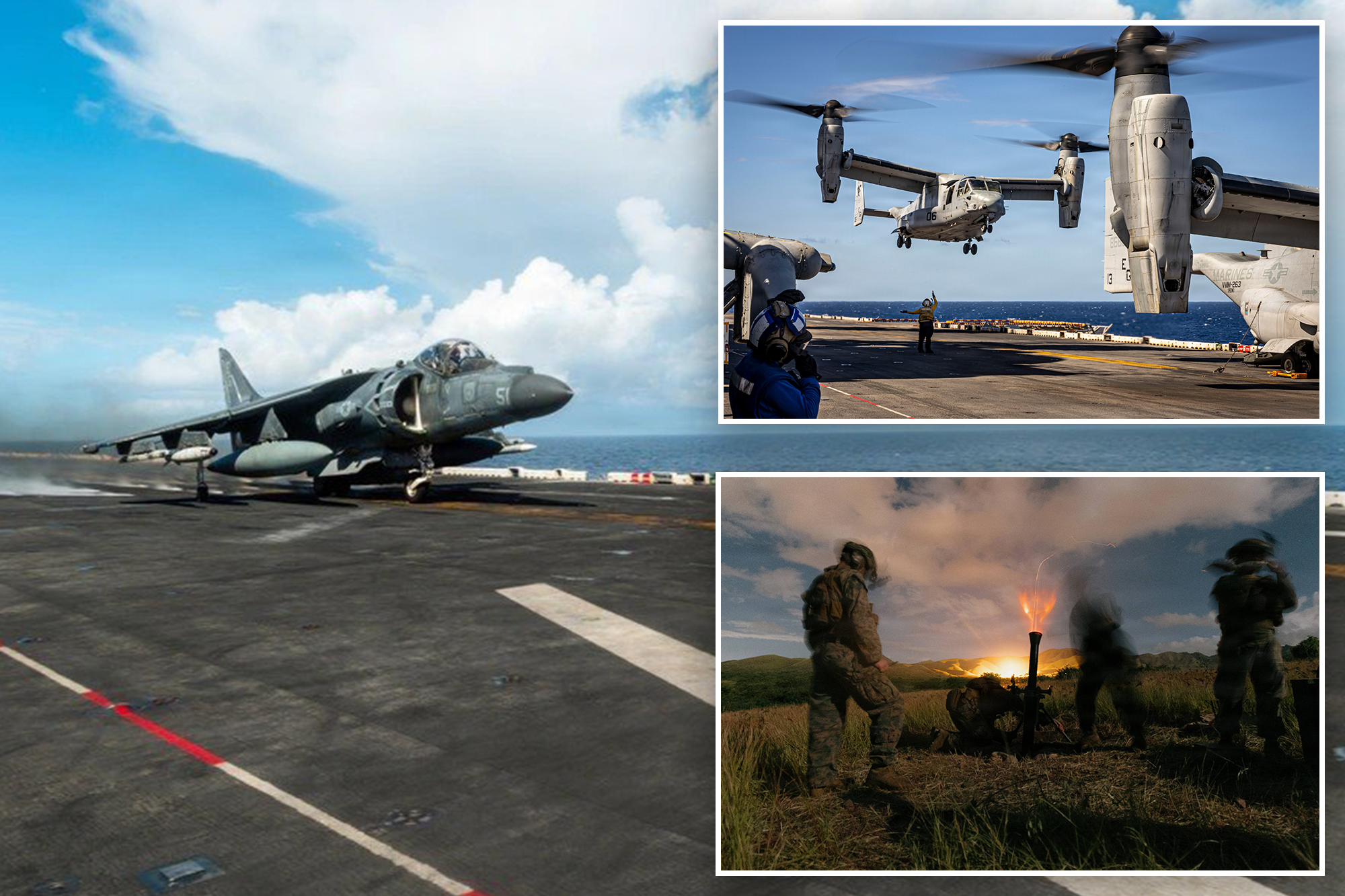
US Southern Command showcased the military capabilities of approximately 2,200 Marines training in the Caribbean, highlighting their efforts through a series of striking photographs released on December 16, 2023. This display comes as the Trump administration intensifies its pressure on the Venezuelan government, led by President Nicolas Maduro, amid ongoing regional tensions.
Military Exercises and Strategic Messaging
Part of the 22nd Marine Expeditionary Force, the troops engaged in live-fire drills that included mortar system operations and training with first-person view attack drones in Puerto Rico. They also conducted flight operations aboard the amphibious assault ship USS Iwo Jima in the Caribbean Sea. The photos, taken between November 20 and December 16, depict a combat-ready force, aimed at demonstrating both capability and readiness.
According to the Atlantic Council’s Alex Plitsas, these military activities serve as a clear signal of US strength to adversaries. “It’s meant to demonstrate capability and capacity,” he stated, emphasizing that the maneuvers could also exert pressure on Maduro’s regime. Despite the show of force, Plitsas noted that the current troop strength is insufficient for a full-scale ground invasion of Venezuela, which would likely require around 100,000 troops to ensure stability post-conflict.
Plitsas remarked, “It’s more pressure to try to get him to step down… but it appears that the administration is still trying to get Maduro to step down voluntarily without having to take military action.” Nevertheless, he acknowledged that airstrikes on targeted locations remain a possibility, a notion that President Trump has previously suggested.
Political Context and Ongoing Operations
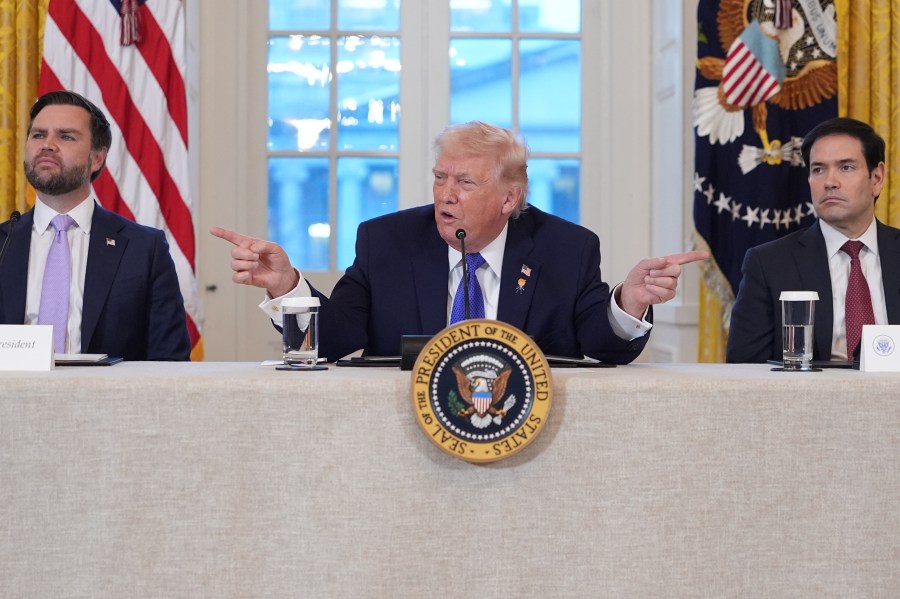
The military exercises coincide with remarks from Marco Rubio, the US Secretary of State, who identified Maduro’s regime as the primary threat to American security in the Western hemisphere. At a year-end press conference, Rubio described the status quo in Venezuela as “intolerable,” indicating a clear intention to pursue Maduro’s ousting.
Rubio stated, “The illegitimate regime in Venezuela… invites Hezbollah and Iran to operate from their territory,” highlighting the regime’s connections with terrorist organizations and its facilitation of Colombian terrorist groups like the ELN and FARC dissidents. This underscores the US government’s stance on Venezuela as part of a broader security strategy in the region.
In a related development, the US Coast Guard is actively pursuing an oil tanker off the coast of Venezuela that is accused of participating in illicit “black-market” oil shipments associated with the Maduro regime. The vessel, believed to be sailing under a false flag, is subject to a US judicial seizure order and has been tracked since at least December 10.
If the Coast Guard successfully seizes the tanker, it would mark the third such vessel taken by American military assets in less than two weeks. The White House has defended this assertive military posture as part of a concerted effort to cut off revenue streams for Maduro, who is believed to use oil sales to finance drug trafficking and other criminal networks. Officials have characterized these tankers as elements of a “shadow fleet” that undermines sanctions and global energy regulations.
As the situation continues to evolve, the US military’s show of strength in the Caribbean reflects a complex blend of strategic signaling and political maneuvering aimed at influencing the future of Venezuela under Maduro’s leadership.