The US Treasury Department has imposed sanctions on Iran’s petroleum “shadow fleet” alongside networks supporting the country’s ballistic missile programs. This decision, announced by officials from the Office of Foreign Assets Control, affects more than 30 individuals, entities, and vessels involved in the illicit sale of Iranian oil. The sanctions target a critical source of revenue that funds domestic oppression, terrorist proxies, and military initiatives.
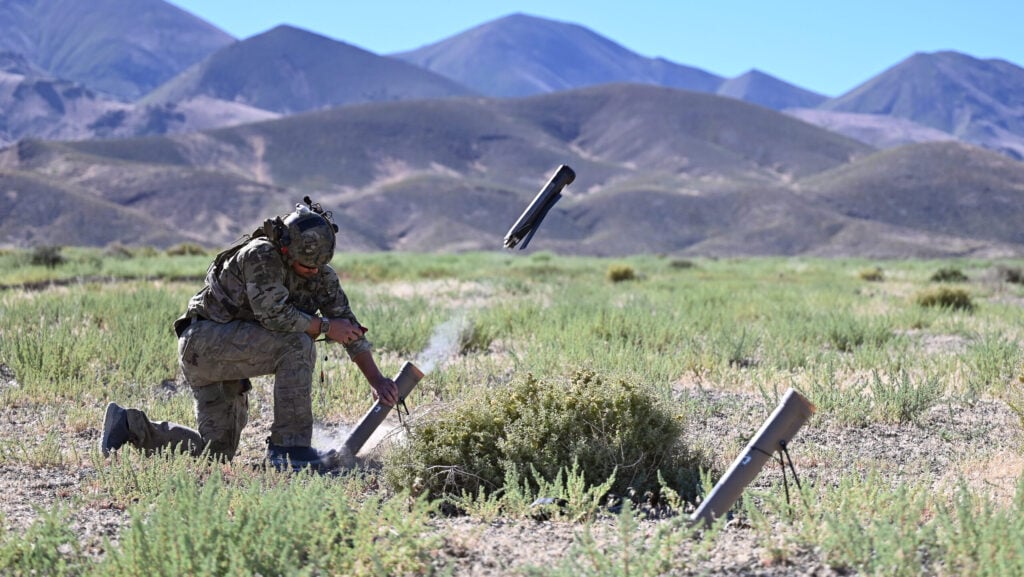
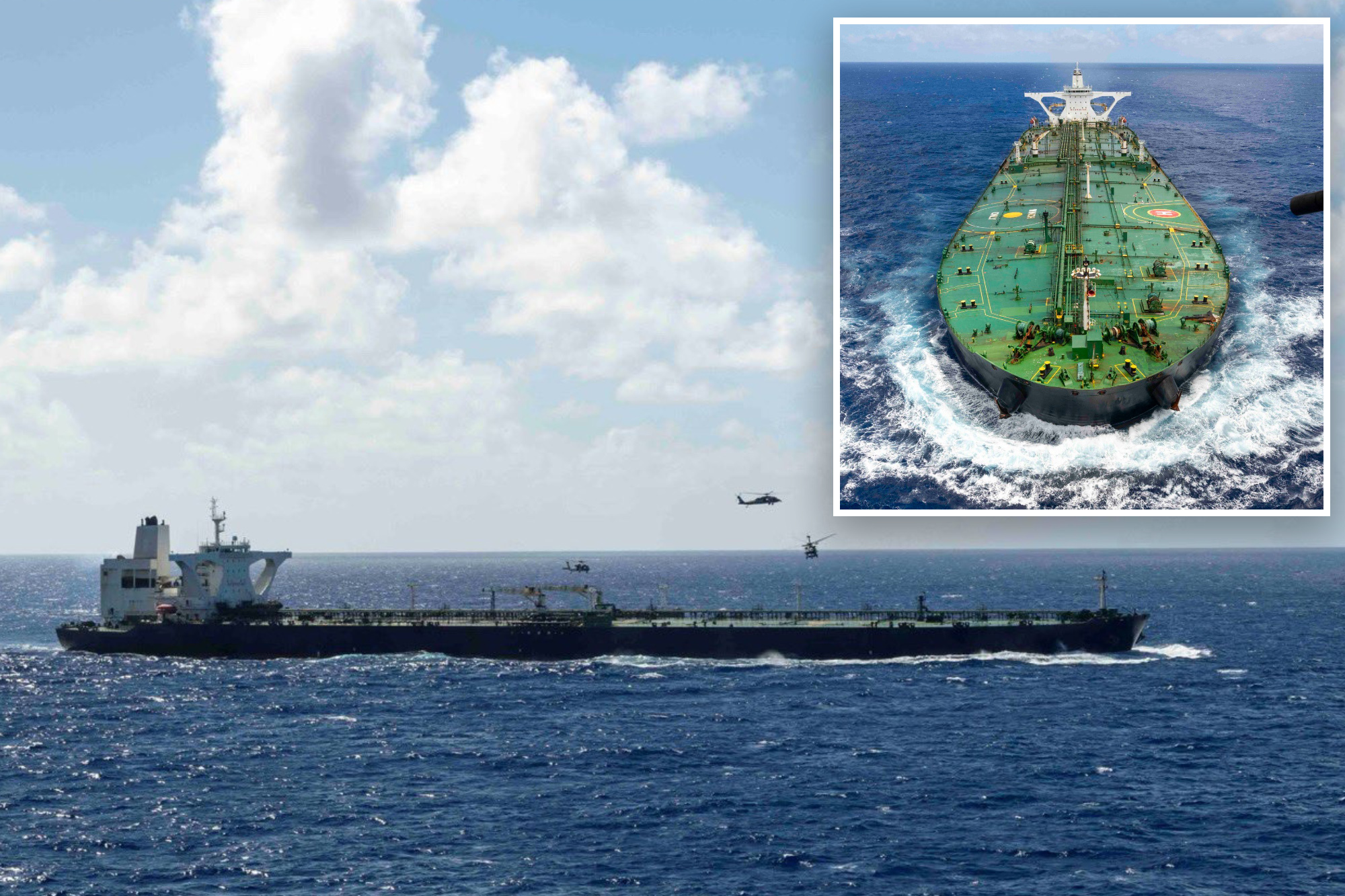
Among the sanctioned entities are at least 12 vessels identified as having transported millions of barrels of oil on behalf of the Iranian regime. This announcement comes at a time when the government is facing significant unrest, including a severe crackdown on protests in the capital city of Tehran. The Treasury’s measures also include suppliers providing “precursor materials and sensitive machinery” to the Islamic Revolutionary Guard Corps and the Ministry of Defense and Armed Forces Logistics.
In a statement, Treasury Secretary Scott Bessent emphasized the implications of these sanctions, stating, “Iran exploits financial systems to sell illicit oil, launder the proceeds, procure components for its nuclear and conventional weapons programs, and support its terrorist proxies.” He reaffirmed the commitment of the US government to maintain pressure on Iran, highlighting that under President Trump’s leadership, the Treasury will continue to target the regime’s weapons capabilities and support for terrorism, which are prioritized over the welfare of the Iranian people.
This round of sanctions underscores a broader strategy to disrupt Iran’s ability to fund various military and paramilitary activities. The US government has consistently condemned Iran’s actions, holding the regime accountable for its role in regional instability and its human rights violations against its citizens.
The impact of these sanctions is expected to extend beyond financial penalties, affecting Iran’s capacity to engage in international oil markets. As the situation develops, observers will watch closely to see how Iran responds to this intensified economic pressure and whether it influences the ongoing protests within the country.