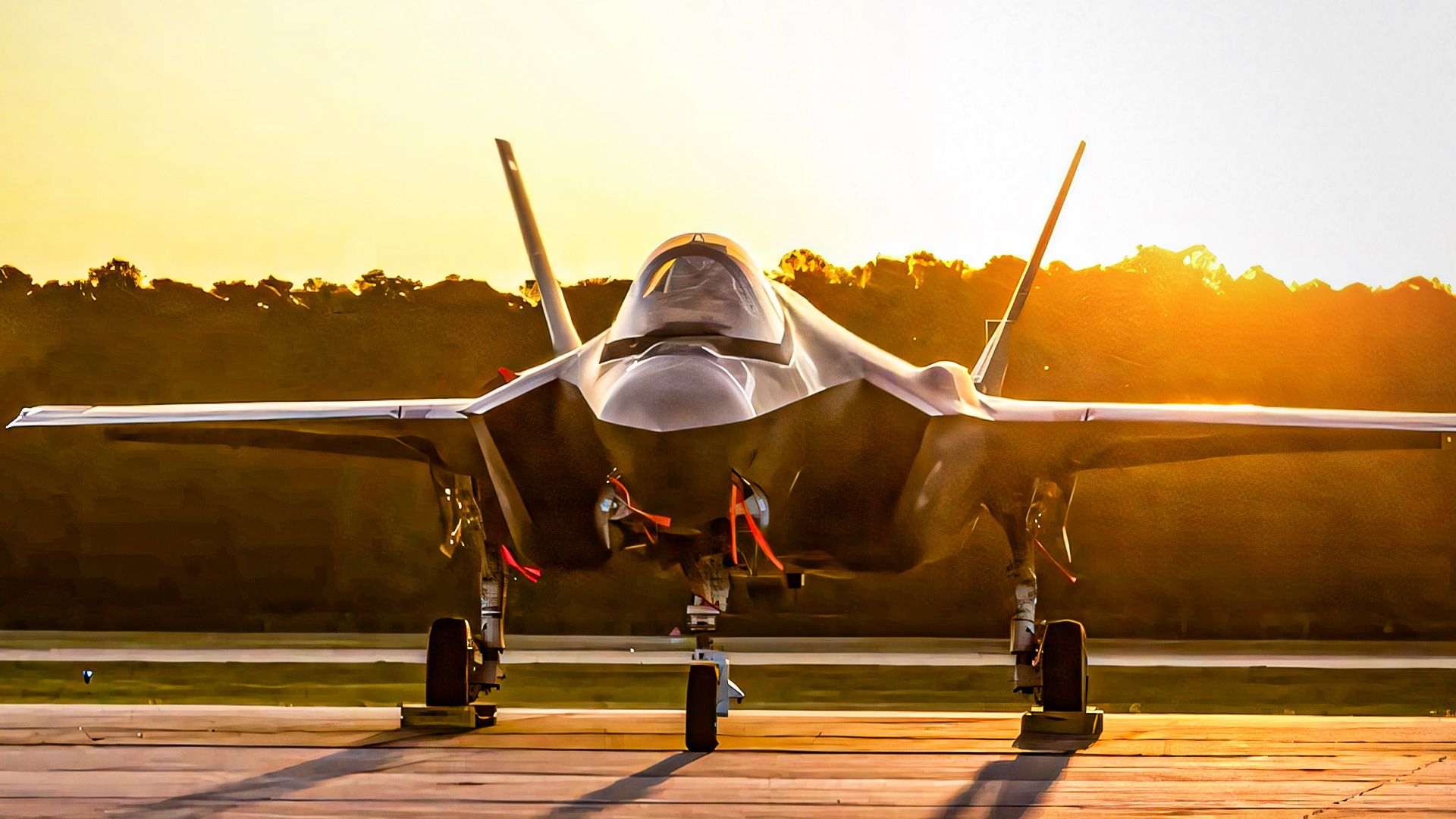
The United States is actively promoting the advanced Lockheed Martin F-35 Lightning II stealth fighter to Portugal as the country seeks to update its aging fleet of General Dynamics F-16 Fighting Falcons. This push comes amid concerns from potential partner nations about the US’s control over critical aspects of the F-35’s operation, often referred to as a “kill switch.” As various countries deliberate their military modernization plans, the F-35 remains a central focus for the US in its efforts to maintain military alliances.
Portugal’s Air Force has expressed interest in the F-35, viewing it as a direct successor to the F-16 and a logical choice for modernization into the fifth-generation era of military aviation. The US has reinforced this view, emphasizing interoperability with NATO allies as a key advantage of the F-35, which has over 1,300 units currently active, including several hundred in Europe.
Challenges in Procurement
Despite the technological superiority of the F-35, political uncertainties have raised concerns among potential buyers. Portuguese Defense Minister Nuno Melo has highlighted apprehensions regarding the reliability of US policy, particularly under the leadership of former President Donald Trump. Melo noted possible limitations on spare parts and software updates as a significant risk. Other nations, including Denmark and the Netherlands, share similar worries.
To strengthen European defense capabilities and reduce reliance on the US, Portugal is exploring alternatives, including European-made aircraft like the Eurofighter Typhoon. The US has faced challenges in securing F-35 orders, with at least eight countries rebuffed in their attempts to purchase the jet.
Canada, another US ally, is also reassessing its commitment to the F-35 program. The Royal Canadian Air Force is currently debating whether to continue its planned acquisitions or shift towards the Swedish Gripen E. The uncertainty surrounding US defense policy has shaken the confidence of allies in the American military-industrial complex, which has historically been a cornerstone of transatlantic security.
The Implications of Political Dynamics
The F-35 program, projected to cost over $2 trillion over its lifetime, has been jeopardized by fluctuating political attitudes. The program’s staff have expressed concerns that continued aggressive rhetoric from US leadership could undermine relationships with traditional allies, particularly in light of Trump’s past comments regarding NATO and the perception of “pay to play” security arrangements.
Ambassador John Arrigo has launched a campaign to encourage Portugal to proceed with its F-35 acquisition, framing it as essential for maintaining a competitive edge in European air power. Despite this push, Melo has stated that no official decision has been made, emphasizing the need for Portugal to reassess its defense strategy and consider the implications of Trump’s policy on NATO.
As nations like Spain and Switzerland reconsider their commitments to the F-35 amid trade disputes and concerns over US political stability, the F-35 program faces a potential “death spiral.” A decline in orders could lead to increased costs and diminished effectiveness for remaining operators, threatening the viability of the most expensive weapons program in history.
The shifting landscape of international military procurement reflects broader geopolitical tensions and the need for alliances that transcend transactional diplomacy. With countries increasingly prioritizing strategic autonomy, the future of the F-35 program hangs in the balance as nations evaluate their defense needs against the backdrop of changing US policies.