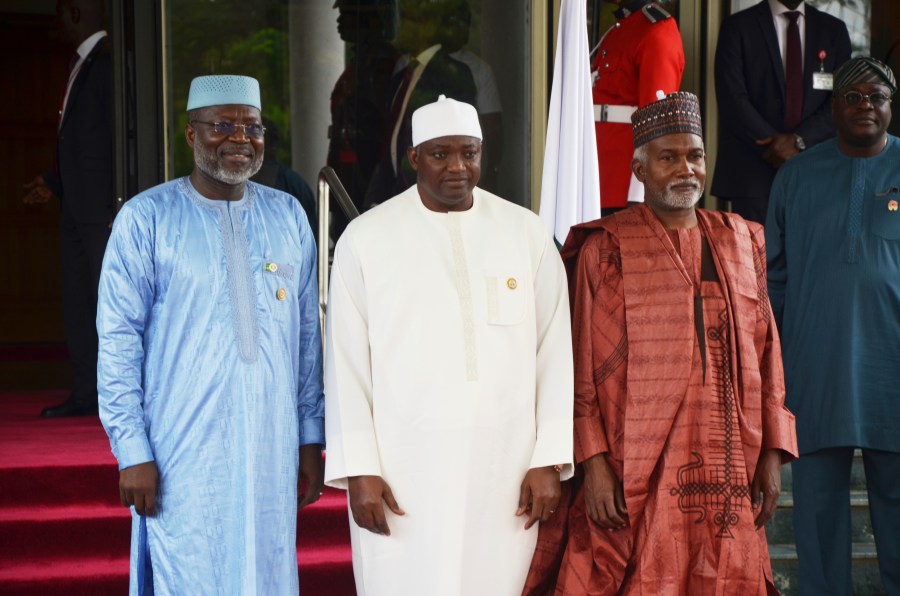
West Africa is grappling with a significant crisis as multiple coups and attempted coups have plunged the region into a state of emergency. This alarming situation was highlighted by Omar Touray, president of the Economic Community of West African States (ECOWAS) Commission, during a meeting with the bloc’s mediation and security council on October 3, 2023, in Abuja, Nigeria.
Touray raised concerns about the escalating security challenges that have accompanied these political upheavals. He emphasized that the ongoing instability threatens not only the governance structures in member states but also the safety and wellbeing of citizens across the region. The recent wave of coups, characterized by a surge in military takeovers, has prompted ECOWAS leaders to reassess their approach to regional security and governance.
The situation has been particularly precarious in countries like Mali, Burkina Faso, and Guinea, where military juntas have seized power in recent years. Each of these nations has faced significant public unrest, which has been compounded by economic difficulties and terrorist threats. As these challenges mount, the potential for further destabilization increases, prompting urgent calls for intervention and support from the international community.
During the council meeting, Touray noted that the bloc is committed to restoring democratic governance throughout the region. He stated, “Our primary objective is to work collaboratively towards a peaceful resolution of these crises.” The leader further called for a united response from all member states to confront the underlying issues that have led to these power grabs.
ECOWAS has employed various measures in response to the political turmoil, including sanctions and diplomatic discussions aimed at encouraging a return to constitutional order. The bloc’s commitment to stability has seen it engage with different stakeholders, including civil society organizations, to foster dialogue and promote understanding among competing factions.
In addition to political instability, the region faces persistent threats from extremist groups, especially in the Sahel. These groups have exploited the political vacuum created by coups to expand their influence, further complicating efforts to achieve lasting peace. ECOWAS has recognized the need for a comprehensive approach that combines political solutions with security measures to address these challenges effectively.
As the situation evolves, the international community’s role in supporting West Africa becomes increasingly crucial. Touray’s remarks underscore the necessity for global partners to assist the region in overcoming its security and governance challenges.
The coming months will be critical for West Africa as it seeks to navigate this complex landscape. The actions taken by ECOWAS and its member states could determine not only the future of governance in the region but also the safety and stability of millions of people who call West Africa home.