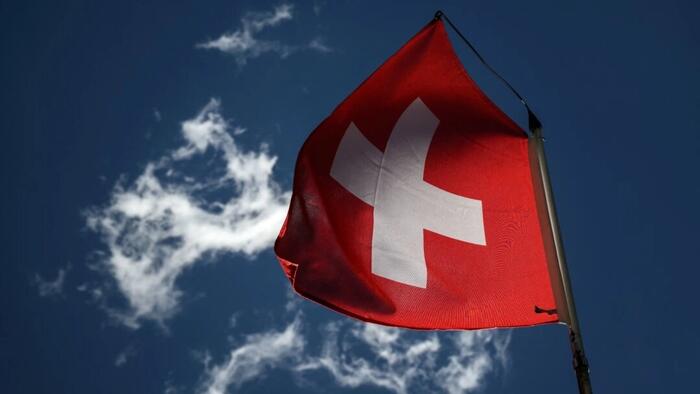
Switzerland has taken significant action by freezing all assets belonging to deposed Venezuelan leader Nicolás Maduro and his associates. This decision, announced on January 5, 2024, follows Maduro’s recent capture in Caracas by U.S. forces and his subsequent transfer to the United States. Swiss authorities implemented this precautionary measure to prevent the removal of any illegally acquired assets from their country.
The asset freeze is effective immediately and will remain in place for a period of four years. Authorities have not disclosed the exact value of the frozen assets, but they emphasized that the situation in Venezuela remains volatile, with numerous potential developments expected in the near future. The Swiss government is closely monitoring the situation, urging all parties to exercise moderation and de-escalation.
In a statement, the Swiss Federal Department of Foreign Affairs called for restraint and adherence to international law, including the prohibition on the use of force and respect for territorial integrity. The decision to freeze assets is grounded in the Federal Act on the Freezing and the Restitution of Illicit Assets Held by Foreign Politically Exposed Persons, which does not currently affect members of the Venezuelan regime.
Should future legal proceedings determine that the frozen funds were obtained unlawfully, Swiss authorities stated their intent to ensure these assets benefit the Venezuelan people. This action does not represent an endorsement of the U.S. military operation but acknowledges the changes in Venezuela’s power dynamics that now allow Switzerland to pursue legal avenues regarding the frozen assets.
U.S. Sanctions and Global Response
This asset freeze aligns with broader sanctions imposed against Venezuela since 2018 under the Embargo Act. In December, the U.S. Treasury Department sanctioned several family members and associates of the Maduro-Flores family, resulting in the freezing of all properties and assets belonging to these individuals within U.S. jurisdiction. “Treasury sanctioned individuals who are propping up Nicolás Maduro’s rogue narco-state. We will not allow Venezuela to continue flooding our nation with deadly drugs,” said Treasury Secretary Scott Bessent in a news release.
The U.S. has long targeted the Maduro regime, implementing extensive sanctions on Venezuela’s central bank and restricting access to U.S. financial markets for the state oil company, PDVSA. Other countries, including the European Union, Canada, and Mexico, have also enacted sanctions and asset freezes on Venezuelan officials linked to the Maduro government.
While Switzerland had previously imposed sanctions on Caracas, it stands out as the first country to announce an asset freeze following the detention of Maduro and his wife, Cilia Flores, by U.S. authorities. Over the years, Switzerland’s banking sector has attracted political leaders and high-risk individuals seeking a secure location for their wealth due to its robust financial infrastructure and political stability.
In light of recent events, Switzerland’s role in international finance is under scrutiny. In 2022, leaked client data from Credit Suisse revealed accounts associated with sanctioned individuals and corrupt officials, prompting an inquiry by the Swiss financial regulator FINMA into compliance failures.
As Switzerland navigates these complex geopolitical waters, its commitment to maintaining a stable financial environment while upholding international law will be closely observed by the global community.