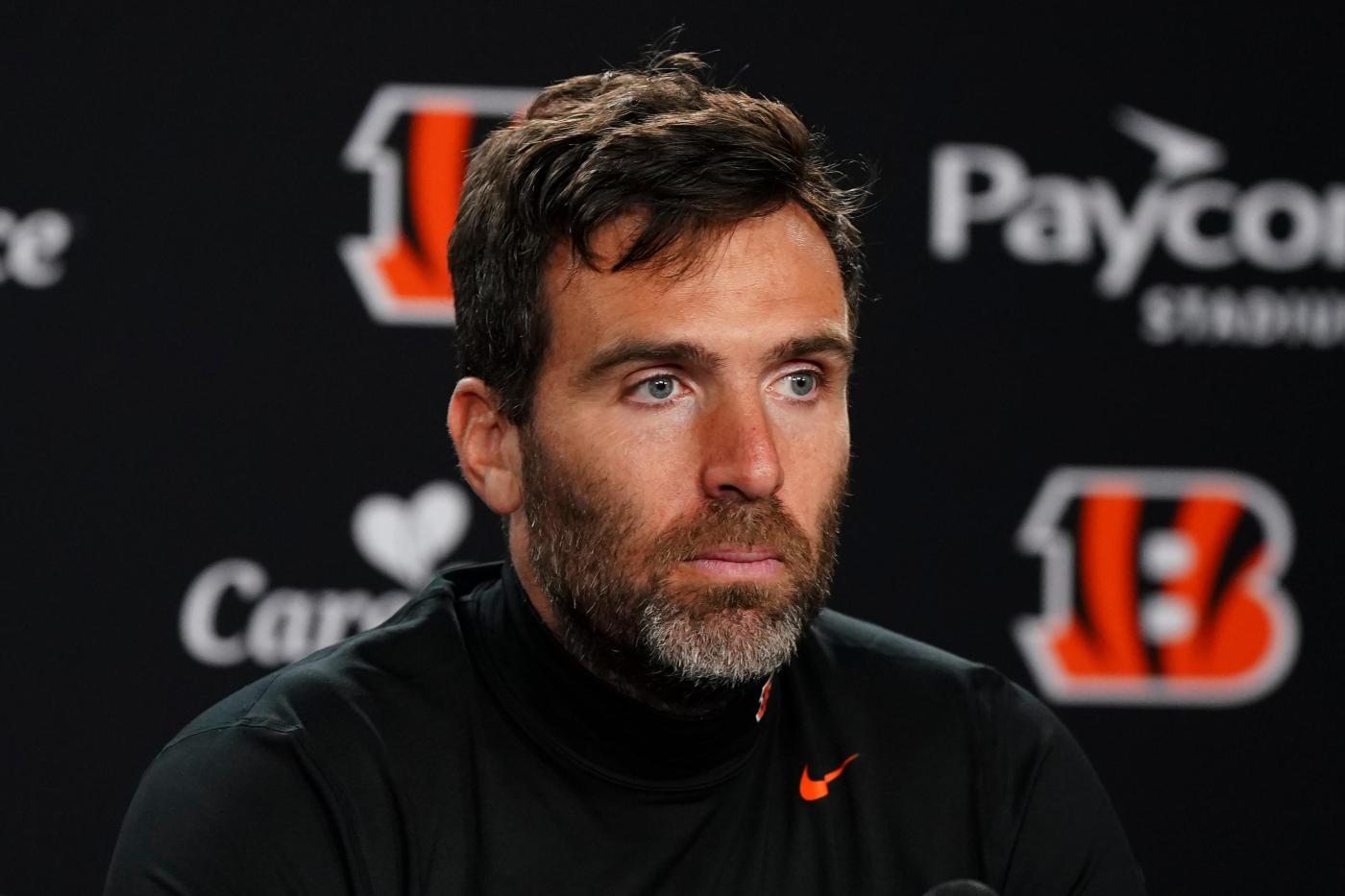
Joe Flacco, the veteran quarterback, has stirred controversy with his remarks regarding brain injuries in the National Football League (NFL). In an interview on February 5, he suggested that players willingly accept the risk of concussions when they join the league. This attitude has prompted a strong backlash from those concerned about the implications of such statements, especially in light of the long-term health issues faced by former players.
Critics have pointed to the tragic outcomes experienced by several Hall of Fame players, such as Mike Webster, who died at the age of 50, and Junior Seau, who took his own life at 43. Both were found to have suffered from Chronic Traumatic Encephalopathy (CTE), a degenerative brain disease linked to repeated head injuries. The impact of these conditions has raised significant concerns about player safety and the culture of physicality in football.
In response to Flacco’s comments, Herb Cromwell from Catonsville expressed his disapproval, stating, “Thanks for the Super Bowl, Joe, but please keep your views on football safety to yourself.” Cromwell’s critique reflects a growing awareness of the dangers associated with the sport, especially as more research highlights the serious consequences of concussions and other head injuries.
The NFL has faced increasing scrutiny over its handling of player safety and the protocols in place for dealing with concussions. Many former players and advocates argue that the league must do more to protect its athletes, emphasizing the need for a cultural shift regarding how injuries are perceived and managed.
Flacco’s remarks arrive at a critical time when discussions surrounding player health and safety are front and center in the sports community. As more players come forward with their experiences and the consequences of their injuries, the conversation about the inherent risks of playing in the NFL continues to evolve.
This ongoing dialogue is essential as it not only touches on the well-being of current players but also shapes the future of the game. The responsibility lies with both the league and its players to foster an environment where safety is prioritized, rather than perceived as a necessary sacrifice for success.
As the NFL season progresses, the implications of Flacco’s comments will likely linger, prompting further discussion about how the league can better address the serious issue of brain injuries among its players. The focus remains on creating a safer playing environment that values the health and longevity of athletes over the immediate thrill of the game.