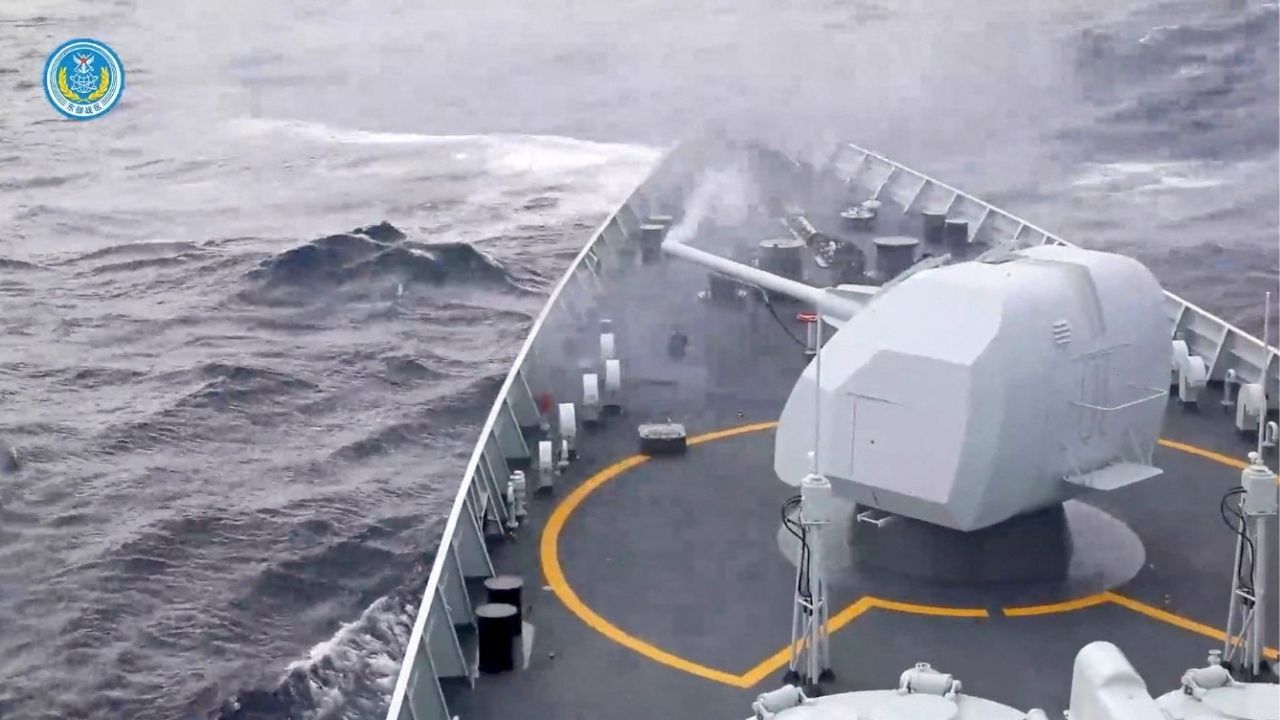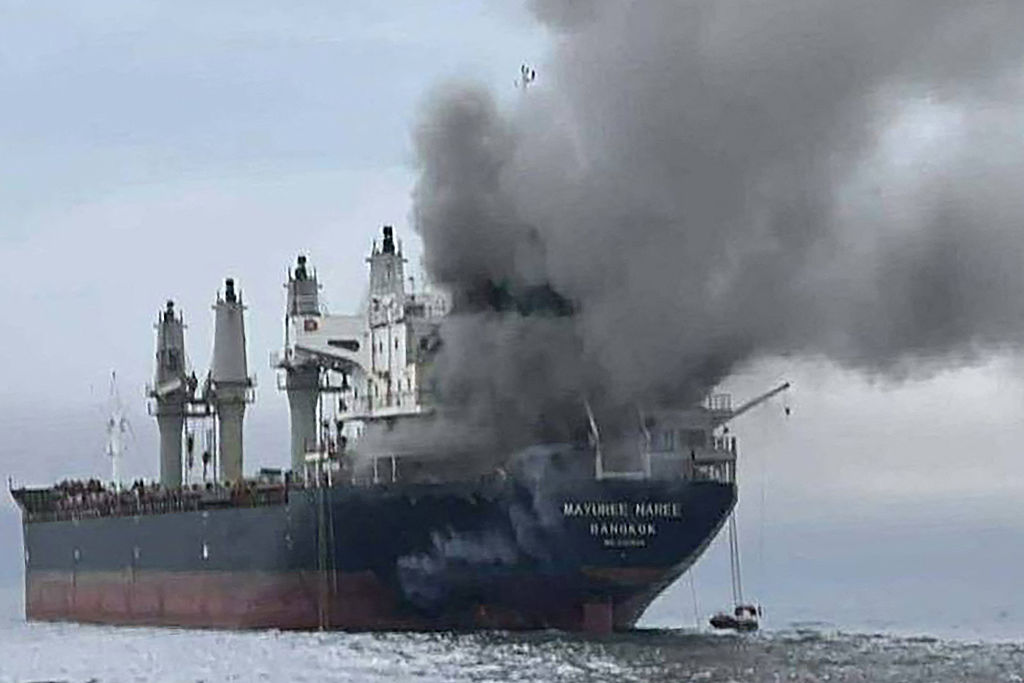
The conflict between the United States and Iran escalated this week as U.S. forces conducted strikes on Iranian military installations, entering its third week of heightened tension. The latest operations targeted facilities on Kharg Island, a strategic hub for Iran’s oil infrastructure. U.S. officials indicated that while oil facilities were intentionally spared during these strikes, Iran has issued stern warnings that any future attacks on its energy assets would provoke retaliation.
As the military exchanges continue, the repercussions are being felt far beyond the immediate region, disrupting global energy markets. The Strait of Hormuz, through which approximately 20% of the world’s oil supply is transported, has seen increased security concerns. In response to these developments, Barclays has revised its forecast for Brent crude prices, projecting them to reach $85 per barrel by 2026. Analysts suggest that ongoing disruptions could drive prices even higher.
The conflict’s impact is also being felt in neighboring countries. Iraq has reported incidents of attacks spilling across its borders, raising fears of a broader regional destabilization. Additionally, Tehran has issued warnings regarding ports in the United Arab Emirates, and U.S. facilities in Baghdad have experienced missile attacks attributed to Iranian forces.
Escalating Hostilities and U.S. Media Response
The military campaign began earlier this month with coordinated strikes by U.S. and Israeli forces, targeting both military installations and strategic economic sites in Iran. While U.S. and Israeli leaders characterize these actions as limited in nature, Iran’s response suggests a potential for further escalation in hostilities.
In the backdrop of these events, President Donald Trump has publicly addressed the media’s portrayal of the conflict. He has criticized what he describes as misleading coverage, asserting that the actions taken by his administration, including the strikes on Kharg Island, are being misrepresented.
Officials and analysts are closely monitoring several key factors as the situation develops. These include whether Iran will target oil infrastructure in the Gulf, the response of global oil markets to the ongoing conflict, and the possibility of diplomatic efforts emerging to mitigate the risk of a larger regional war.
Global Concerns and Future Implications
As the conflict progresses, international observers are raising alarms about the potential for significant disruptions to energy supplies and increased regional instability. The possibility of additional actors becoming involved in the conflict looms large, heightening the urgency for diplomatic resolutions.
With the conflict now in its third week, the stakes are notably high, as both the U.S. and Iran grapple with the implications of their military strategies. The evolving situation continues to attract global attention, emphasizing the interconnected nature of international relations and the impact of regional tensions on worldwide markets.