MEET Battery Research Center Unveils Game-Changing Modular Battery Production Line
The MEET Battery Research Center at the University of Münster has just launched the revolutionary REFlexBatt 2.0 project, introducing a new modular pilot line for automated battery cell production that can adapt to diverse materials and designs. Funded with nearly €5 million by the European Union and the State of North Rhine-Westphalia, this breakthrough promises to radically accelerate innovation cycles for next-generation batteries.
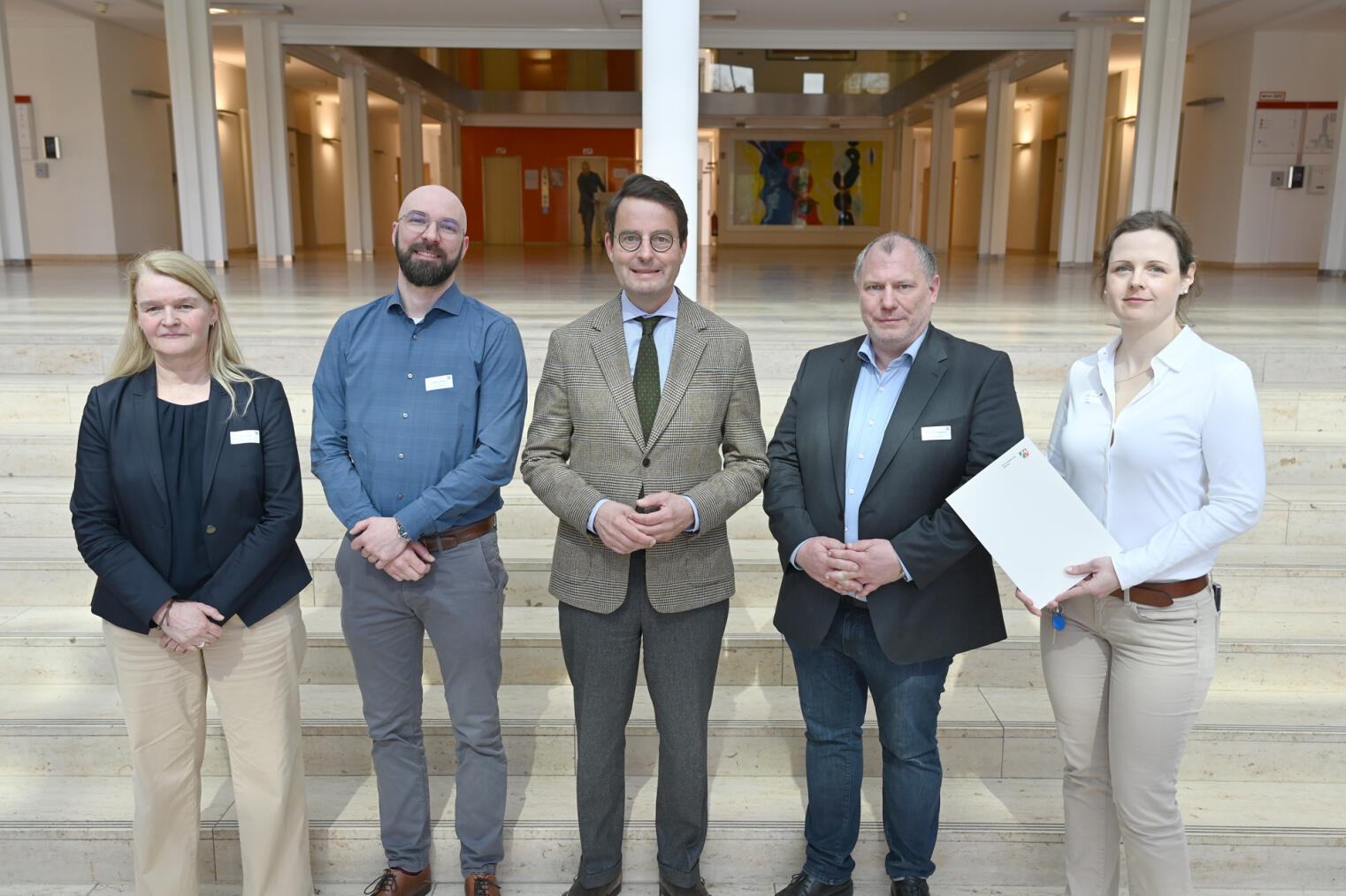
The official grant was handed over by the Münster Regional Council on April 9, 2026. The pilot line’s modular design, led by Dr. Markus Börner, Head of Cell System Research at MEET, allows rapid changeover between different battery chemistries—such as emerging sodium- or potassium-based technologies—without risk of cross-contamination.
Revolutionizing Battery Innovation and Commercialization
This pioneering production line will enable the flexible assembly of battery cells with widely varying materials and multilayer designs early in their development, a crucial step that typically delays battery commercialization. The modular setup, developed alongside industrial partner Safion GmbH, allows contact components and process steps to be swapped seamlessly, drastically reducing downtime. This capacity to quickly adapt production is set to accelerate scalable manufacturing and close the gap between laboratory breakthroughs and industrial applications.
“Battery technologies are rapidly diversifying with new chemical systems demanding fresh manufacturing methods,” said Dr. Markus Börner. “Our modular pilot line tackles this head-on—bringing greater flexibility, traceability, and speed to battery innovation.”
Regional President Andreas Bothe stressed the importance of this investment in securing resource-efficient supply chains in North Rhine-Westphalia and the wider European Union. “Our support strengthens critical infrastructure that bridges research and real-world application in sustainable energy storage,” Bothe noted.
Why This Matters for US Consumers and Industries
While the modular pilot line operates in Germany, its impact will echo globally—especially in the United States, where demand for sustainable, high-performance batteries is surging in electric vehicles, renewable energy storage, and consumer electronics. Faster development of versatile battery technologies directly supports Nevada’s growing clean energy and tech sectors by speeding access to next-generation power solutions.
U.S. manufacturers and researchers might soon benefit from the rapid industrial scaling facilitated by MEET’s innovation, which aims to streamline battery development timelines that currently slow adoption of promising new chemistries.
What’s Next?
The three-year REFlexBatt 2.0 project will continue refining this pilot line’s flexibility and production efficiency. Industry watchers should expect faster rollout of advanced battery cells with new chemistries in coming years, with potential ripple effects on manufacturing and supply chains worldwide.
MEET Battery Research Center’s leap forward signals a pivotal shift in how batteries are developed and produced—moving closer to the high-speed, sustainable energy infrastructure that today’s consumers and industries demand.