Opposition Leader Angus Taylor Labels Welcome to Country Ceremonies ‘Overused’ After Anzac Day Booing
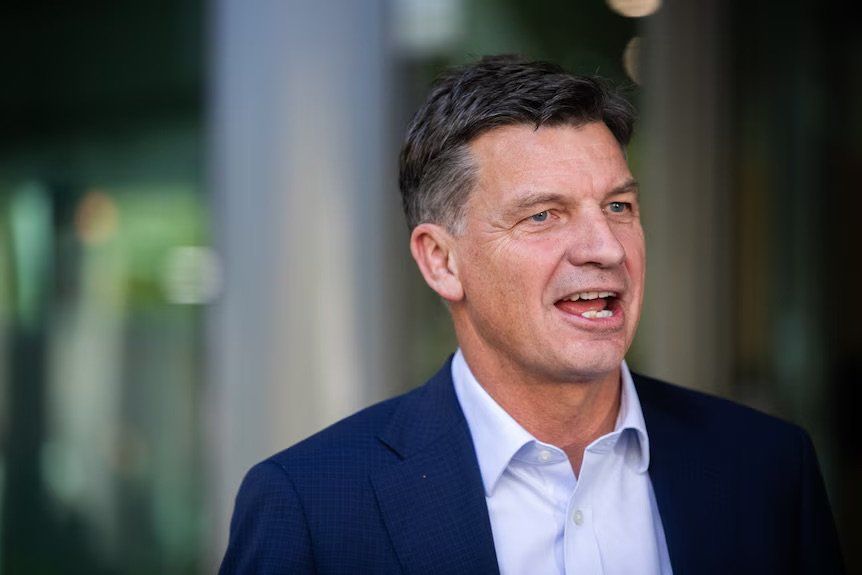
Opposition Leader Angus Taylor ignited fresh debate days after Aboriginal Elders were publicly booed during Anzac Day 2026 ceremonies across Australia, declaring that Welcome to Country ceremonies have become “overused” and risk losing their meaning.
On Sunday, speaking on ABC Insiders, the Australian opposition leader condemned the hateful booing directed at Aboriginal Elders but said he understood growing frustration among Australians. “I feel that at times — often actually — it is overused and as a result they are devalued,” Taylor said, calling for fewer ceremonies to restore their significance.
His remarks come just days after disturbing scenes marred the solemn Anzac Day dawn services in Melbourne, Sydney, and Perth, where Aboriginal Elders performing Welcome to Country acknowledgments faced rude interruptions and boos. In Melbourne, Bunurong Elder Mark Brown was booed during his Welcome to Country. Sydney’s Aboriginal elder Ray Minniecon was heckled, and in Perth, Whadjuk Noongar Elder and veteran Di Ryder also endured similar abuse.
Public Outrage After Booing of Aboriginal Elders at Anzac Day Services
The backlash was swift and united. Stephen Barton, chief executive of the Returned and Services League Western Australia (RSL WA), called the disruptions “one of the most disgraceful things I have ever heard”.
“Di, on behalf of RSL and the veteran community, I offer my heartfelt thank you for that acknowledgement to country.” – Stephen Barton, RSL WA
Victorian Premier Jacinta Allan also condemned the disruptions, branding the heckling “ugly behavior” that dishonored Aboriginal servicemen and women and veterans alike. “Politicizing this sacred day is bastardry,” Allan said. “I condemn it and so should every leader.”
Reports reveal some disruptions were orchestrated by anti-immigration activists. The group Fight for Australia used social media to rally supporters against Welcome to Country ceremonies ahead of Anzac Day. Some individuals booing at Melbourne’s Shrine of Remembrance were linked to the recently disbanded extremist group National Socialist Network, according to The Age.
Controversy Echoes Past Political Criticisms
Taylor’s remarks echo the criticisms voiced by former federal Liberal leader Peter Dutton during last year’s election campaign, who argued Welcome to Country ceremonies contribute to national division in a similar way to the contentious Voice referendum debates.
“There is a sense across the community that it’s overdone,” Dutton said, suggesting that Welcome to Country ceremonies deepen cultural divides.
Taylor, meanwhile, declined to criticize far-right politician Pauline Hanson‘s stances on immigration when questioned, instead emphasizing that event organizers should decide whether or not to include Welcome to Country acknowledgments.
“I would like to see them used less and therefore not devalued, as I think they have been over time.” – Angus Taylor
Calls for Stronger Protections and Respect at Commemorations
Indigenous academic Marcia Langton, writing in The Guardian Australia, condemned the booing and called for those responsible to be banned from future commemorations. She highlighted that more than 118 Aboriginal and Torres Strait Islander men served in the Australian Light Horse during WWI, underscoring the deep Māori and Aboriginal connection to Anzac Day.
“The morons who tried to snatch the sacred moment away…deserve more than contempt,” Langton wrote, urging respect for those honoring the memory of Indigenous veterans.
Why This Matters for American and Nevada Readers
While this controversy unfolds in Australia, it resonates with ongoing conversations in the U.S. about how indigenous peoples are recognized and integrated in public ceremonies. Similar debates around cultural representation and respect at national observances occur across states, including Nevada.
This latest political and social clash signals how Indigenous recognition remains a hot-button issue worldwide, with tensions flaring around how best to honor native peoples while managing public sentiment and national unity.
What’s Next?
As the debate intensifies, organizers of national events worldwide may reevaluate how they incorporate indigenous ceremonies, balancing respect, political realities, and public acceptance. Meanwhile, Australian officials and community leaders are expected to strengthen protections for Elders and veterans delivering these traditional acknowledgments amid growing threats and hostility.
For readers following cultural justice and respectful remembrance in Nevada and beyond, this story highlights challenges that remain when integrating indigenous acknowledgments into national ceremonies and the urgent need for broad public education and dialogue.