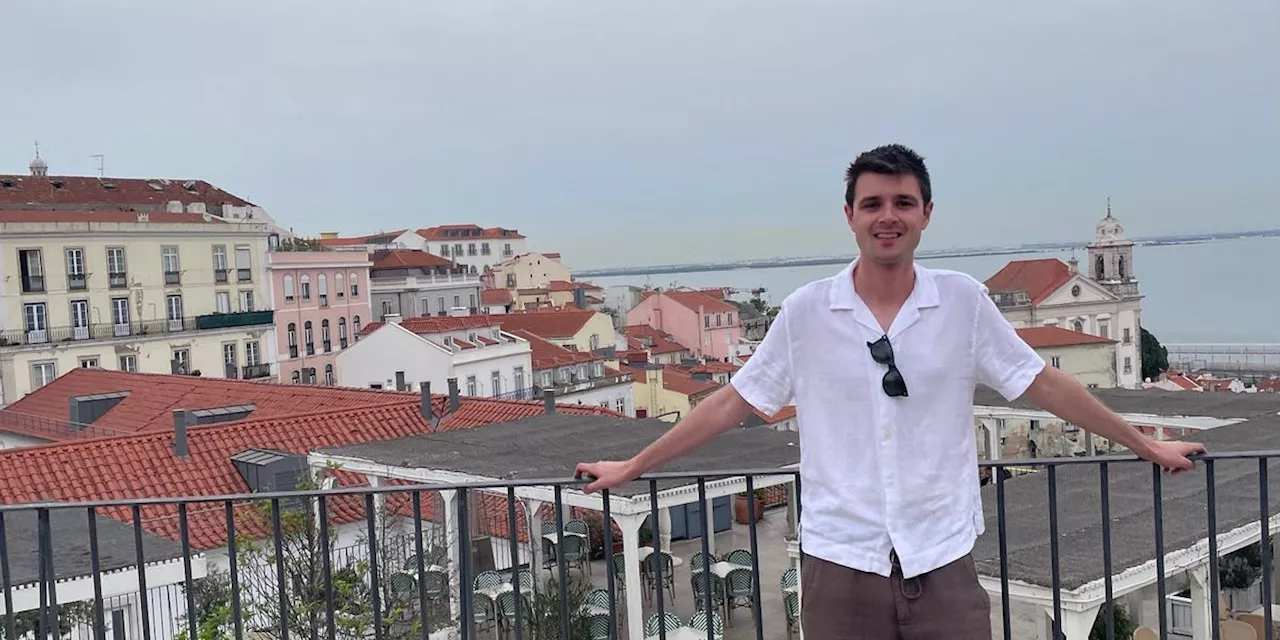
Musician Leaves Florida for Portugal After Rising Costs Force a Major Change
Zachary Biss, a 29-year-old musician from St. Petersburg, Florida, recently completed a life-changing move to Portugal by taking a two-week transatlantic cruise, citing soaring US living costs and health insurance expenses as key reasons for his departure.
After years of working as a full-time musician supporting himself through bar and restaurant gigs, Biss said his financial situation became increasingly untenable despite higher earnings. “My electric bill roughly doubled over five years, and utilities jumped as well,” he told Business Insider. “I was working harder than ever, making more money, but had nothing to show for it.”
Biss and his girlfriend, Marina, had already been planning the move to Portugal. They secured a one-way ticket on a repositioning cruise from Tampa to Lisbon — part of a seasonal fleet migration from the Caribbean to Europe. The $2,500 price covered lodging, meals, and multiple stops, including the Bahamas, the Azores, and Porto, before their final arrival in Lisbon.
“We chose cruising over flying because of the unlimited luggage allowance and the gradual adjustment to jet lag by moving time zones one hour at a time,” Biss said. “It was like a spa experience with six days at sea.”
While more expensive than a flight, Biss believes the cruise was worth it. “We brought all our belongings with us, including my guitar, without worrying about baggage limits,” he explained. The couple still has not sold their Florida home, which remains on the market.
High US Costs and Healthcare Push Many to Explore New Lives Abroad
Biss pointed to health insurance as one of the decisive factors driving his move. As a self-employed American, the cheapest marketplace plan available to him ran about $360 a month, which locals in Portugal reportedly pay in annual premiums. “It feels like a penalty being self-employed here,” he said.
The move is not solely about affordability, however. Biss appreciated Portugal’s slower pace of life. “People aren’t always rushing, they take moments for simple pleasures like morning coffee without the stress of nonstop work,” he noted.
This lifestyle contrast drew him to Portugal, where casual conversations and a relaxed social culture stood out after years of grind in the US. “Even street vendors, if you don’t buy, will just talk to you,” he shared.
Moving by Ocean Could Become a Popular Alternative for Long-Distance Relocations
Biss’s journey highlights a growing interest in alternative ways to move internationally — especially among remote workers and creatives facing rising living costs and healthcare challenges back home.
With cruises repositioning ships between continents, travelers now have the option to combine relocation with a unique travel experience. Biss recommended the approach, especially for those who dislike stressful flights and tight luggage policies.
“At the dinner table the first night, we both started crying, wondering what we were doing—it’s scary but normal for any move,” Biss said.
As more Americans explore opportunities abroad, Biss’s experience underscores both the challenges and benefits of uprooting one’s life in search of greater stability and quality of life.
For readers in Nevada and across the US, his story is a reminder of how rising domestic costs can fuel bold, transformative decisions—and that alternative travel routes may offer unexpected advantages.