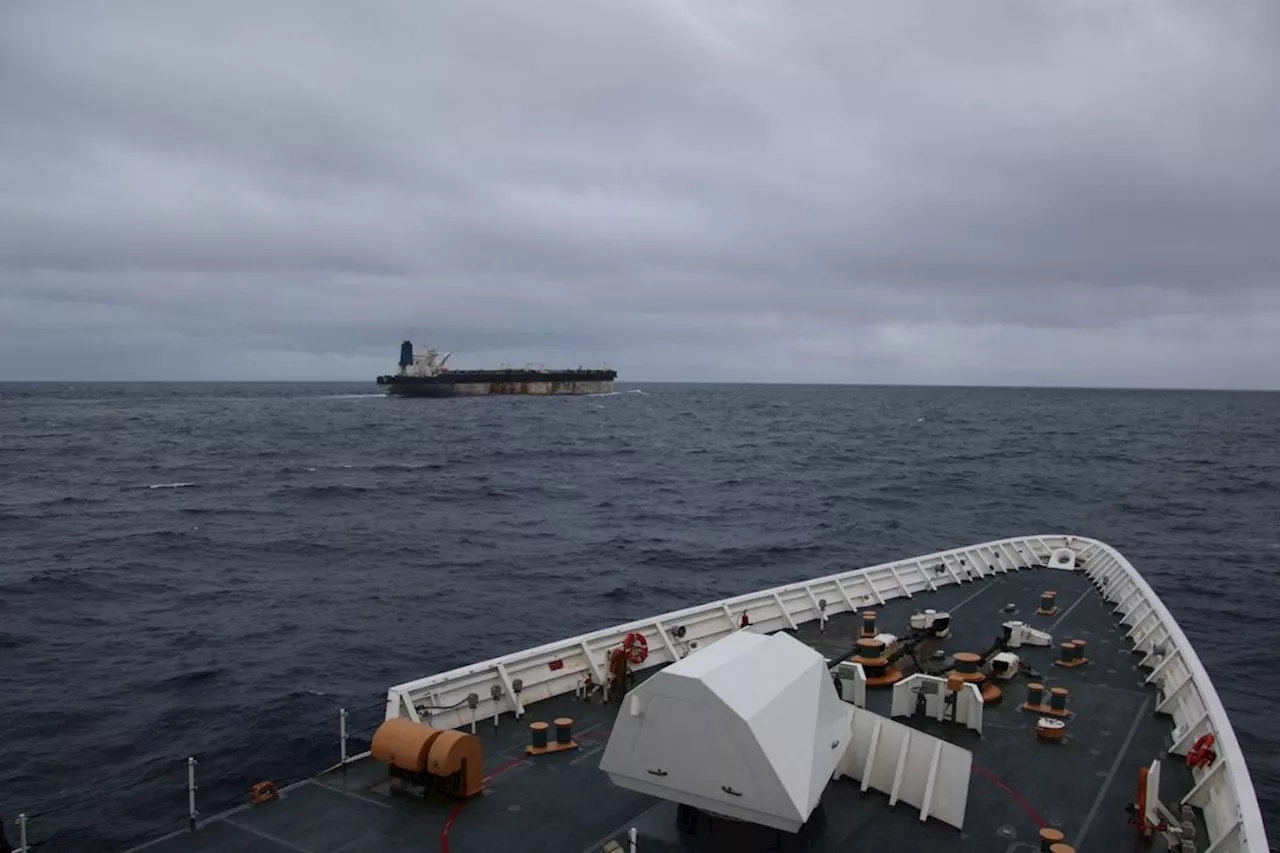
Iran Seizes Two Foreign-Flagged Oil Tankers Amid Rising Naval Tensions
Iran’s Revolutionary Guard has seized two oil tankers flying foreign flags in a sharp escalation of maritime conflict in the Strait of Hormuz, authorities confirmed this week. The vessels – the Panama-flagged MSC Francesca and the Liberia-flagged Epaminondas – were taken into Iranian custody after what Tehran described as multiple maritime violations.
This latest seizure intensifies the ongoing naval showdown sparked by the war between the US and Israel against Iran, which began earlier this year on February 28. Tehran has maintained effective control over the critically strategic Strait of Hormuz, halting oil tankers and container ships from passing freely.
Why Foreign Flags Mask True Owners in Maritime Conflict
Both seized ships were registered under “flags of convenience” (FOCs), a maritime practice where vessel owners register ships in countries like Panama, Liberia, and the Marshall Islands to benefit from lower costs and lighter regulations. This widespread system now covers an estimated 75-80% of the global merchant fleet, including most oil tankers.
“The real owners behind these ships are often obscured by layers of shell companies, with initial reports identifying vessels only by their flag state,” explains maritime analyst Jennifer Morris. This opacity complicates enforcement and sanctions efforts, especially amid heightened US-Iran tensions.
US and Iran Seize Vessels, Escalating Maritime War
Since the conflict erupted, both sides have engaged in seizure and blockade operations. Iran accuses the seized tankers of having “ties to Israel” and alleges interference with regional navigation systems and endangering other vessels in the waterway. The US responded to Iran’s Strait control with a naval blockade of Iranian ports beginning April 13.
In a series of incidents highlighting “flag-hopping,” owners frequently re-register vessels under different national flags to avoid sanctions and enforcement. A notable chase in the Atlantic last year saw the Panama-flagged Bella 1 switch identities and flags multiple times before US forces seized it for sanctions violations tied to Iranian and Venezuelan oil.
The Strategic Role of Flags of Convenience
Flags of convenience offer shipowners savings on registration fees, taxes, and strict regulations enforced by traditional maritime nations such as the US and EU countries. They also allow cheaper international crews and less oversight on safety and environmental standards.
Historical incidents, such as the 1967 Liberian-flagged oil spill off Cornwall, UK, demonstrate how FOCs complicate liability and enforcement. The flag state is legally responsible under the United Nations Convention on the Law of the Sea, but limited enforcement tools allow owners to evade full accountability.
Impact and What to Watch Next
These developments threaten global oil supply chains and heighten tensions in an already volatile region critical to the US and its allies. With Iran controlling passage through the Strait of Hormuz and Washington enforcing port blockades, the risk of further maritime confrontations remains high.
Experts warn that ongoing maritime opacity could shield sanctioned entities and complicate US efforts to enforce sanctions and protect key shipping lanes near US interests, including in East Asian markets and the Gulf of Mexico.
US and Iranian officials have not yet indicated a resolution timeline, and observers expect more incidents as both sides seek leverage in this naval standoff. Meanwhile, transparency advocates call for reforms to flag registration to prevent misuse amid escalating geopolitical conflicts.