Colorado Legislature Accelerates Capitol Security Reforms Amid Rising Political Violence
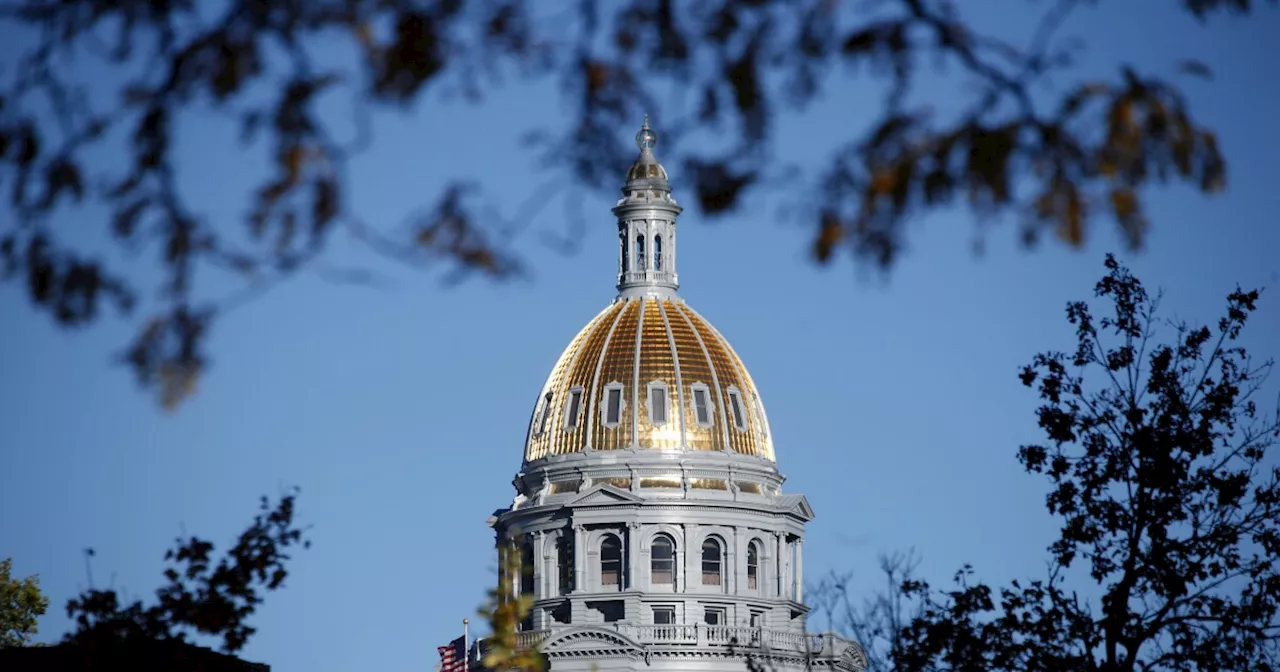
Colorado lawmakers are racing to overhaul Capitol security after the third assassination attempt on President Donald Trump last weekend and a spike in attacks targeting political figures nationwide. The state House is weighing House Bill 26-1422, a sweeping package designed to shield legislators, judges, and the governor from escalating threats.
The bill would establish a new top-level security post called the administrator of legislative safety, serving as the vital link between lawmakers and the Colorado State Patrol, which currently secures the Capitol grounds. This administrator, who would be a sworn peace officer, is tasked with managing security threats and building trust with lawmakers amid growing tensions at the Capitol.
“This person’s day-in and day-out job would be to know those threats and how they relate to the legislation going through the building,” said Democratic State Rep. Chad Clifford, a bill sponsor.
The legislation also officially renames the chief security officer to sergeant at arms and explicitly extends State Patrol jurisdiction to cover the governor’s mansion. This update aims to close security gaps following multiple violent incidents across the country.
Expanded Protections for Officials’ Privacy and Judicial Security
Recognizing the modern digital risks, the bill expands the definition of “protected persons” to include elected officials, their staff, and judicial employees. This would empower them to request removal of their personal information from online sources, with legal recourse if such removals are ignored. As political harassment increasingly migrates online, this measure is critical for the safety and privacy of public servants.
On the judiciary front, the bill creates a courthouse security task force charged with recommending new standards for court facilities, and mandates county sheriffs keep logs of all firearms carried into courthouses. It also broadens the crime of retaliation to protect not just judges, but judicial employees facing intimidation or violence.
Nationwide Context Sparks Urgent State Response
Colorado’s swift move mirrors wider efforts as threats against politicians escalate across the US. July of last year saw the shocking assassination of Minnesota’s House Democratic leader Melissa Hortman, followed by the September killing of conservative activist Charlie Kirk in Utah. Other alarming incidents included an arson attack at Pennsylvania Governor Josh Shapiro’s home, an assassination attempt on Trump at a Pennsylvania rally, and a violent assault on then-House Speaker Nancy Pelosi’s husband in California.
These incidents have pressured state capitols to rethink security protocols comprehensively. Colorado lawmakers emphasize the importance of legislation that balances strong protection with the practical realities inside legislative chambers and public access requirements.
Next Steps and Impact
Rep. Clifford expects House Bill 26-1422 to pass smoothly during the current legislative session, signaling broad bipartisan support for upgrading security amid turbulent political times. The new administrator role will be a crucial addition for real-time intelligence and threat management inside the Capitol.
Security upgrades in Colorado also set a precedent for other states, including Nevada and beyond, grappling with how to protect officials from politically-motivated violence. The bill’s online privacy safeguards could serve as a model amid growing concerns over digital harassment of public figures nationwide.
With tensions running high and threats mounting across states, Colorado’s moves to strengthen its legislative and judicial security reveal a broader shift toward urgent, proactive protection of democracy’s defenders.
The Nevada Voice will continue to monitor how these changes unfold here and nationwide, with updates on legislative progress and security implementations at state capitols across the US.