Mexican Governor Ruben Rocha Moya Steps Down Amid US Drug Trafficking Charges
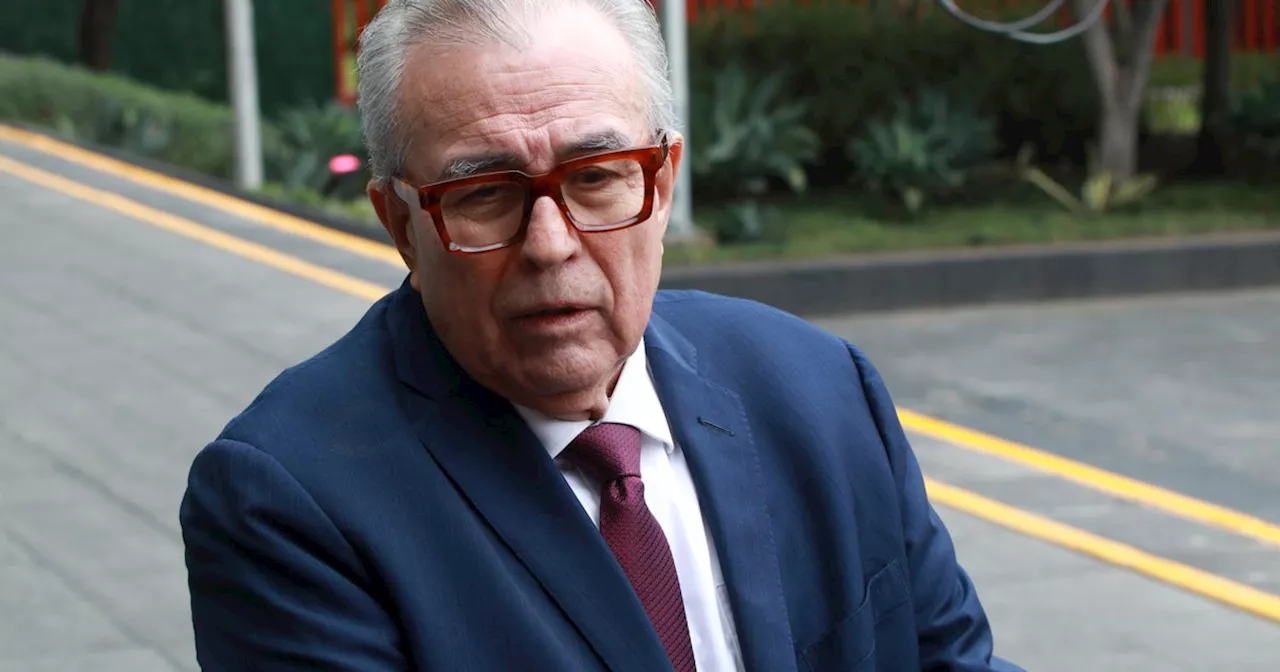
The governor of Sinaloa, Mexico, Ruben Rocha Moya, has officially stepped down temporarily after being charged by the U.S. Justice Department with conspiracy to traffic “massive quantities” of narcotics into the United States in collusion with the notorious Sinaloa cartel. The stunning development emerged late Friday as Rocha Moya announced his leave in a public YouTube statement, aiming to facilitate ongoing investigations into his alleged criminal ties.
The charges filed this week accuse the sitting governor, a member of the left-leaning Morena party, of conspiracy to import narcotics as well as possession of machine guns and destructive devices. Rocha Moya vehemently denied all allegations, calling them “false and malicious,” but the indictment names him alongside nine other individuals.
Top Officials Face Serious Federal Charges and Resignations
Among those indicted is Juan de Dios Gamez, mayor of Culiacan, the capital of Sinaloa, who also announced his resignation, removing their protections against prosecution. These shocking accusations mark the first time the US has publicly charged a sitting Mexican governor with narcotrafficking, highlighting an unprecedented escalation in cross-border cartel enforcement.
Mexican President Claudia Sheinbaum weighed in, stating Mexico would only extradite officials to the US if provided with “irrefutable evidence” of cartel ties. She noted this case as a historic moment in US-Mexican relations given the rank of the accused.
Political and Security Implications Ripple Across US-Mexico Relations
Rocha Moya, who has governed since 2021 and is aligned with former president Andres Manuel Lopez Obrador, was previously embroiled in a 2023 scandal linking his name to factions within the Sinaloa cartel. A cartel capo’s letter suggested Rocha Moya was involved in negotiations surrounding the kidnapping of cartel leaders, intensifying the FBI’s and DEA’s scrutiny.
If convicted, Rocha Moya faces life imprisonment or a mandatory minimum of 40 years behind bars. The charges also include possession of military-grade weapons, signaling deep criminal complicity beyond narcotrafficking.
This scandal compounds tensions between the US and Mexico following the deaths of two US agents connected to anti-cartel operations, reportedly CIA personnel. The Sinaloa cartel remains one of six Mexican drug trafficking organizations designated by the US government as foreign terrorist organizations under the Trump administration, fueling Washington’s push for stronger intervention measures, including drone strikes and military cooperation – options resisted by the current Mexican administration.
What’s Next?
Rocha Moya’s temporary leave clears the path for federal agents to pursue investigations more freely, a crucial step in a case with major repercussions for Mexico’s fight against organized crime. The moves cast a spotlight on the broader battle over cartel influence in one of Mexico’s most violent states and on the fragile US-Mexico security partnership.
Authorities in the United States are expected to pursue stringent prosecution as the investigation unfolds, and observers will be watching how the Mexican government balances sovereignty concerns with urgent pressure from Washington.
For communities in Nevada and across the US, this development highlights the powerful and dangerous cross-border narcotics networks driving violence and addiction nationwide. The case underscores the volatility of cartel influence reaching into political ranks and the challenge of dismantling entrenched criminal enterprises.
The Nevada Voice will continue to monitor and report all new developments on this case as it progresses.