Polish Prime Minister Sounds Alarm on NATO’s Future Amid U.S. Troop Cuts
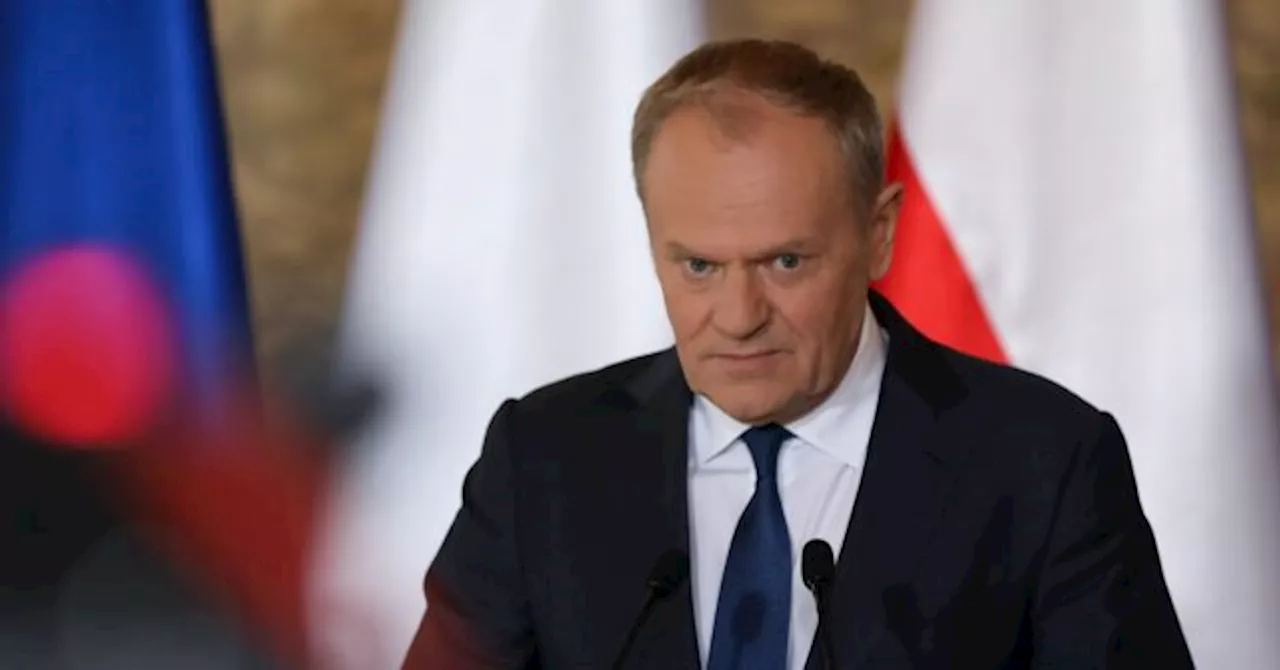
Polish Prime Minister Donald Tusk has issued a stark warning that the NATO alliance is at risk of “disintegration” following the U.S. decision to reduce troop numbers in Europe. The Pentagon confirmed that approximately 5,000 American soldiers will be relocated from Germany over the next year as part of a strategic shift in U.S. military deployments.
President Donald Trump indicated this reduction could be far greater, though he did not provide exact figures for how many out of the nearly 36,000 U.S. troops currently stationed in Germany might be withdrawn. The move has raised serious concerns among European allies about America’s commitment to collective defense.
Tensions Rise Over NATO’s Future and Transatlantic Loyalty
Though the U.S. has not announced force reductions in Poland, where about 8,500 U.S. troops remain stationed, Prime Minister Tusk criticized the potential fragmentation of the alliance. He called the internal weakening of NATO “the greatest threat” and urged member states to act decisively to reverse what he described as a “disastrous trend.”
“The greatest threat to the transatlantic community are not its external enemies, but the ongoing disintegration of our alliance,” Tusk said.
Last week, Tusk openly questioned whether the United States would honor Article 5 of the NATO treaty— the core commitment that members defend each other if attacked — despite repeated U.S. assurances. His skepticism underscores rising doubts in Europe over America’s reliability amid geopolitical shifts.
President Trump has also threatened to move U.S. troops out of countries like Italy and Spain, accusing them of insufficient support against threats from Iran’s Islamist regime. These moves signal an unpredictable U.S. posture that could reshape NATO’s balance and its deterrence posture in Europe.
European Powers Explore New Defense Strategies
In response to transatlantic uncertainty, Tusk has championed efforts to enhance European self-defense capabilities, including talks with French President Emmanuel Macron about possibly extending France’s nuclear umbrella to protect Europe. There are discussions surrounding stationing French nuclear weapons on Polish soil, a radically new security proposition since NATO’s inception.
Meanwhile, Germany plans to build Europe’s most powerful military by year 2039, aiming for 460,000 combat-ready troops. However, Berlin struggles with recruiting and maintaining military strength, pointing to broader challenges all NATO members face in bolstering defense readiness independently.
Why This Matters to the U.S. and Nevada
This unfolding crisis in NATO’s cohesion has direct implications for U.S. national security and its alliances globally. Nevada’s military installations, defense companies, and strategic interests connect to America’s global commitments, including European security. Redrawing troop deployments could impact defense contracts, veterans, and geopolitical stability that influence U.S. foreign policy and domestic security measures.
As this story develops, watch for further announcements from the Pentagon on troop movements and NATO’s response to ensure the alliance’s survival. European leaders’ moves toward bolstered continental defense could redefine transatlantic relations, fundamentally affecting U.S. strategic influence abroad.
The Nevada Voice will keep readers updated on these urgent changes shaping global security and American military policy today.