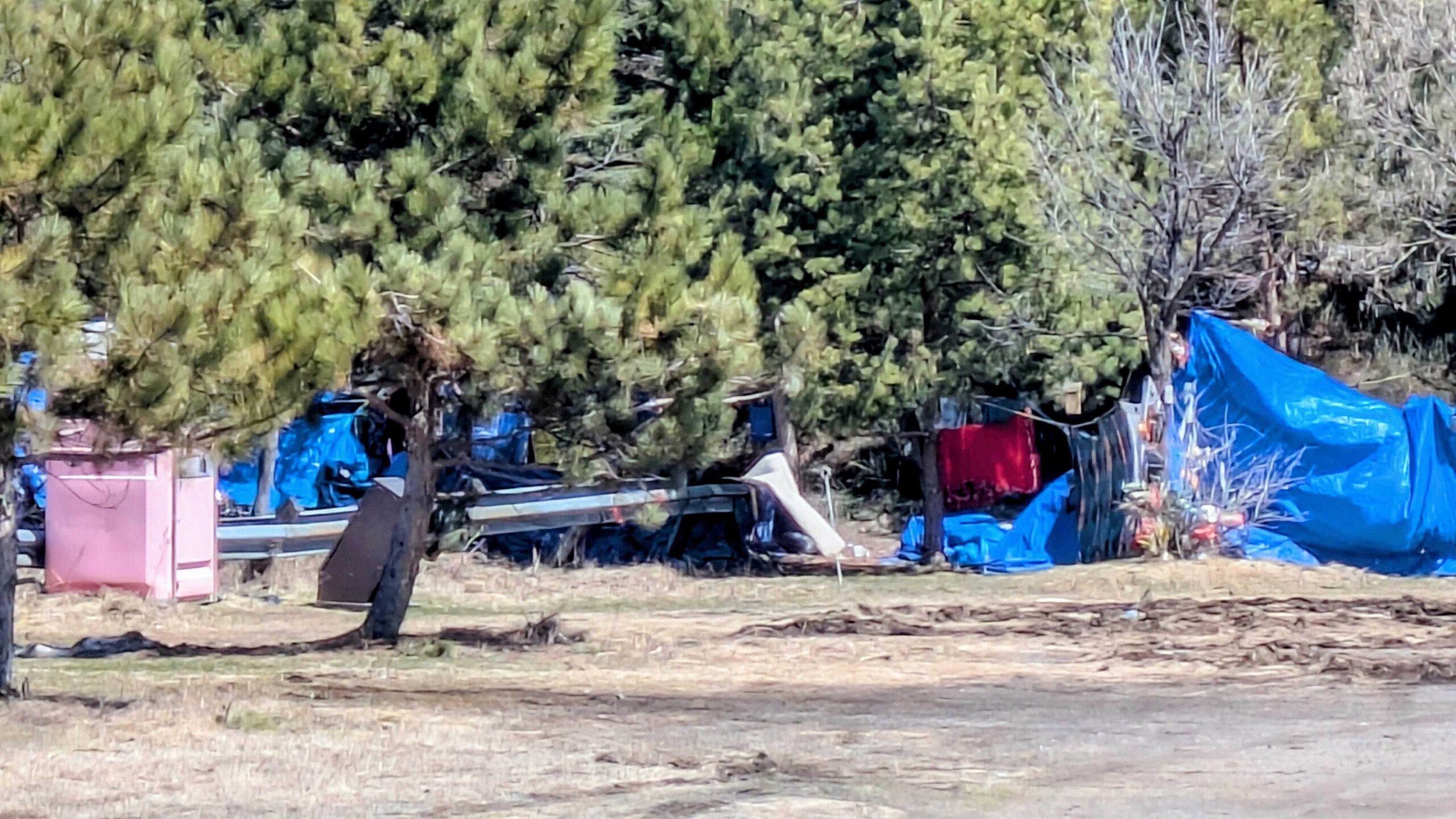
Thunder Bay Moves to Tighten Control Over Homeless Encampments with New Bylaw
Thunder Bay officials are accelerating efforts to regulate and relocate homeless encampments under a proposed new public spaces bylaw, set for review at a special city council committee meeting this week. The bylaw outlines detailed protocols for when and how the city can move residents from non-designated encampment sites, emphasizing a voluntary compliance-first approach but allowing staged enforcement as a last resort.
The bylaw is a key piece of the city’s updated encampment response plan, targeting better coordination between the city’s Encampment Response Team and community outreach services. Rilee Willianen, supervisor of encampment response, stressed that enforcement will only proceed when all offerred indoor shelter options are truly accessible, in line with legal rulings based on the Canadian Charter of Rights and Freedoms.
Voluntary Compliance Priority, Enforcement as Last Resort
“We would first seek voluntary compliance, talking with individuals in non-designated areas to offer relocation to authorized sites,” Willianen told Newswatch. “If voluntary measures fail, service providers will present indoor shelter alternatives, and enforcement will only be considered if these offers are declined.”
Municipal Enforcement Services will oversee any enforcement actions, with Thunder Bay Police Service involvement limited to extreme escalations. Enforcement depends strictly on the availability of indoor shelter that meets individual needs.
In cases where suitable shelter options do not exist, the city commits to continuing voluntary engagement supported by council-approved distance guidelines and response protocols. This policy aims to balance human rights protections with public safety, accessibility, and equitable use of shared community spaces.
Protecting Public Health and Safety While Supporting the Vulnerable
The bylaw is not just about houselessness—it broadly targets behavior in public spaces to protect community health and safety. It restricts damaging public property, environmental harm, unsafe or disruptive conduct, waste dumping, obstructing sightlines, and fire risks.
While monetary fines for bylaw violations are included, the city clarifies that these will not be directed at people experiencing homelessness but instead at others violating the rules. This distinction aims to promote compliance without penalizing vulnerable populations.
Political Debate Fuels Urgency
The bylaw comes to the forefront following resistance from a smaller five-member quality of life committee that refused to consider designated encampment locations. Instead, the contentious issue was escalated to a full committee of the whole meeting involving all council members, highlighting deep divisions on how to address homelessness and public space use.
If approved, the bylaw will return to council for final ratification before becoming active.
National Relevance and What to Watch
Thunder Bay’s approach reflects a growing challenge faced by communities across North America—balancing public space management with the rights and needs of unhoused residents. The staged enforcement model with a voluntary-first policy could influence other cities wrestling with similar issues.
For Nevada readers and national observers, this case represents a test of how urban centers are innovating policies that navigate legal rights, public safety, and homelessness amid growing economic and social pressures.
Stay tuned to The Nevada Voice for updates on how Thunder Bay implements this bylaw and its broader impact on urban homelessness strategies across the continent.