Taiwan President Lai Ching-te boldly returned from a high-profile Africa visit despite intense Chinese pressure to halt his trip, underscoring Taipei’s assertion of its global engagement rights. The diplomatic showdown highlights ongoing tensions between Taiwan and China, with Beijing blocking airspace and threatening economic sanctions against nations that supported Lai’s travels.
Lai landed at Taiwan’s Taoyuan International Airport on May 5 after flying on the personal plane of Eswatini’s King Mswati III. This marked a critical moment as Taiwan’s president completed a delayed trip initially scheduled for late April and targeted by China’s diplomatic coercion.
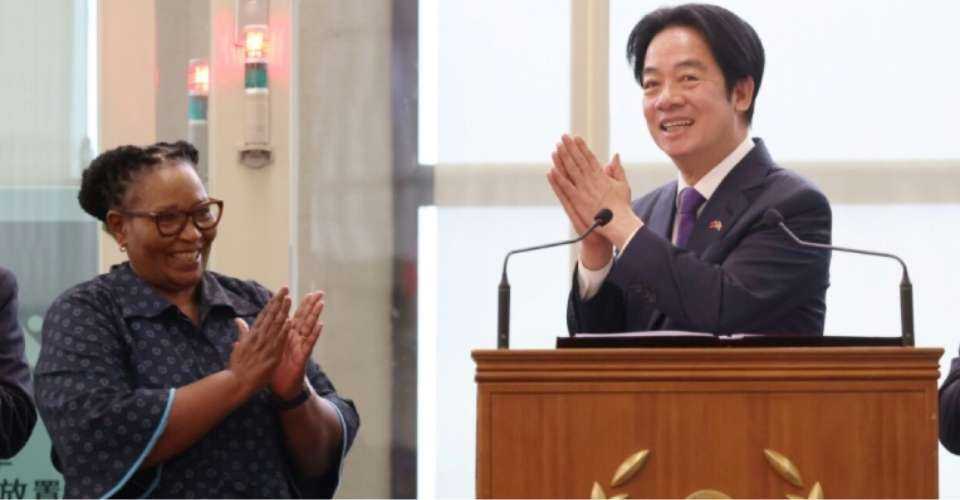
“Taiwanese people are people of the world; Taiwanese people have the right to engage with the world,” Lai said firmly at the airport, defying Beijing’s efforts to isolate his island. “We will not shrink back because of suppression,” he added, accompanied by Eswatini’s Deputy Prime Minister Thulisile Dladla, who had traveled with the delegation from Africa.
China’s Diplomatic Pressure Backfires
China exerted what Taiwan described as “intense pressure” on African nations such as Seychelles, Mauritius, and Madagascar, pressuring them to revoke overflight permits to stop Lai’s journey to Eswatini—the only African country that recognizes Taipei diplomatically. According to anonymous Taiwanese security sources, China threatened to revoke debt relief, halt financing, and impose sanctions on these countries.
After the initial April trip was postponed due to these obstacles, Taiwan’s Foreign Minister Lin Chia-lung temporarily replaced Lai for the anniversary celebrations of King Mswati III’s 40th year on the throne and 58th birthday. However, Lai ultimately made the trip in early May, sending a clear message that Taiwan will not be sidelined by Beijing’s intimidation.
The United States sharply condemned China’s “intimidation campaign,” framing Beijing’s tactics as hostile and undermining Taiwan’s international presence. China’s foreign ministry dismissed the accusations as “baseless” and ridiculed Lai’s arrival as a “stowaway-style escape farce,” calling him an “international laughing stock.”
High-Stakes Diplomacy Amid Global Tensions
This visit unfolds against the backdrop of Beijing’s widespread campaign to isolate Taiwan worldwide. Currently, only 12 countries officially recognize Taiwan, with Eswatini remaining a key diplomatic ally on the African continent. The loss of international recognition is a persistent challenge for Taipei, intensified by Beijing’s economic and political leverage.
Lai’s trip followed his November 2024 tour of Taiwan’s Pacific allies, including a transit through Guam. Previously, the Trump administration reportedly denied Lai permission to transit New York for an official Latin America visit, though Taiwan’s foreign ministry denied any blockage.
The Taiwan president’s mission reinforces his island’s stance on sovereign engagement and democratic values, directly confronting China’s attempts to suppress its international space. For U.S. audiences, this episode reflects broader geopolitical power plays that affect global diplomacy and security dynamics in the Indo-Pacific region.
What’s Next?
As Taiwan pushes for greater international recognition amid mounting Chinese pressure, future diplomatic trips and interactions may face similar challenges. Observers will watch closely how the Biden administration and Congress respond to Beijing’s intensifying diplomatic offensives, especially given Taiwan’s strategic importance in U.S. foreign and security policy.
Eswatini’s continued support highlights the island’s resilient but vulnerable network of allies, showing the high stakes for small nations caught between competing superpowers. Taiwan’s defiant show of diplomatic presence sends a global signal that suppression efforts will be met with persistent engagement and resilience.