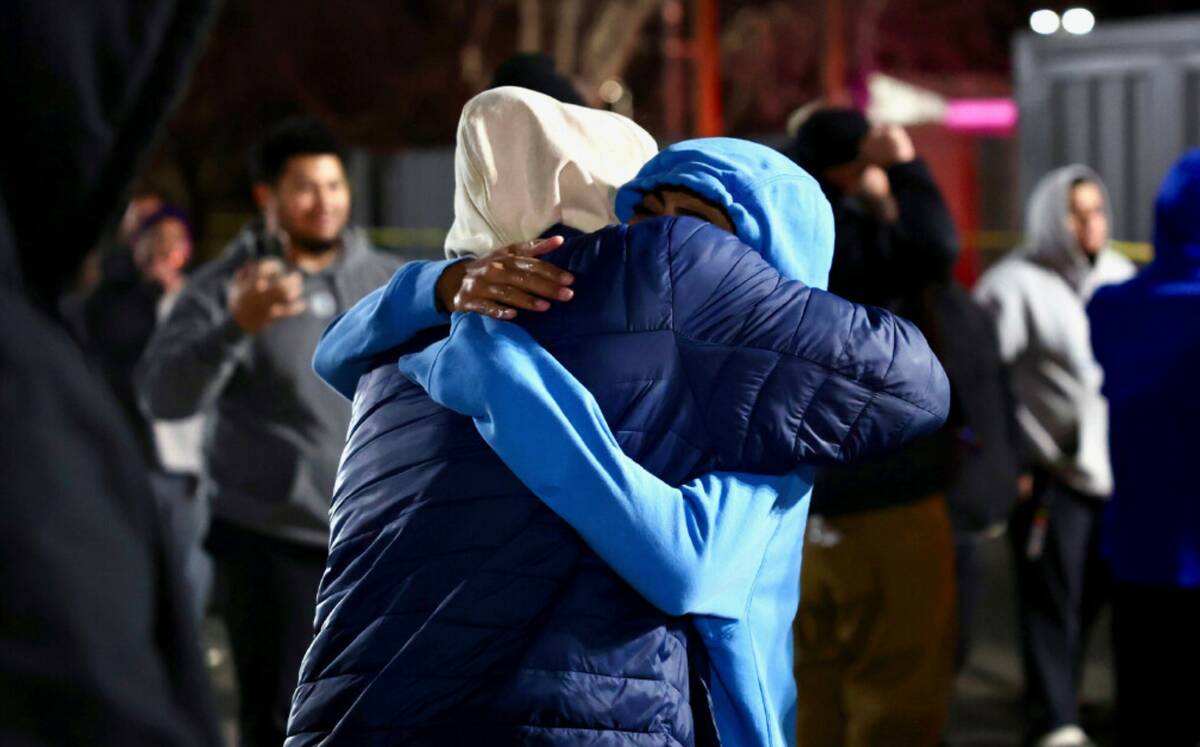
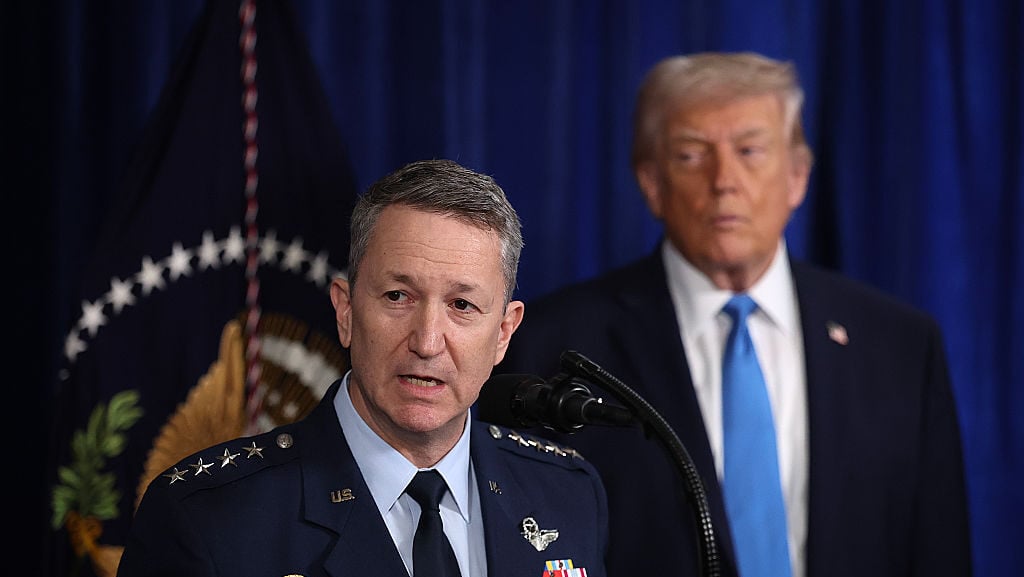
U.S. and Ukrainian officials are actively discussing the possibility of bringing President Volodymyr Zelenskyy to the United States this week. This potential visit is part of a broader effort led by President Donald Trump to secure an agreement regarding Ukraine by Thanksgiving. According to multiple officials familiar with the discussions, the timing of Zelenskyy’s trip hinges on the outcomes of peace negotiations taking place in Geneva on Sunday.
Secretary of State Marco Rubio spoke from Geneva, highlighting progress in discussions with European and Ukrainian officials, while noting that additional work remains. “I think this was a very, very meaningful – I would say probably the best – meeting and day we’ve had so far in this entire process,” Rubio stated. He emphasized the importance of continued collaboration, promising updates following further meetings.
Ukrainian Chief of Staff Andriy Yermak echoed Rubio’s sentiments after their meeting, asserting that they were moving towards a “just and lasting peace.” However, a senior White House official indicated that no firm plans for a Zelenskyy visit exist at this time, reflecting the ongoing diplomatic efforts and the absence of scheduled talks with Russian officials.
The peace talks in Geneva may yield further developments, including a potential visit by Army Secretary Dan Driscoll to Russia. As of now, Russian officials have not confirmed any such arrangements.
On the topic of the ongoing negotiations, Olga Stefanishyna, Ukraine’s Ambassador to the U.S., addressed the leaked draft of a 28-point peace plan during an appearance on “Face the Nation.” She clarified that Ukraine has not agreed to all terms outlined in the draft, stating, “This plan is not about justice and the truth of this war and the aggression.” Stefanishyna emphasized that no concessions have been made by Russia and expressed concerns regarding the plan’s implications for Ukraine’s sovereignty.
According to U.S. and Ukrainian officials, the leaked proposal is accompanied by a document related to security guarantees. Stefanishyna referred to this supplementary document as “the framework of security assurances,” which expresses the U.S. intention to provide assurances similar to Article 5 of the Washington NATO Treaty. However, she pointed out that these assurances lack the detailed framework and Congressional backing typically associated with a formal treaty.
The urgency of the discussions escalates as Vladimir Putin appears to believe he will ultimately gain control over the Donetsk region of Ukraine, whether through negotiation or military action. A U.S. official indicated that the trajectory of fighting suggests Russia is making significant inroads, particularly in the eastern frontline city of Pokrovsk, described as a logistical hub for Ukraine.
Parallel diplomatic efforts within the Trump administration have emerged, with Jared Kushner and U.S. special envoy Steve Witkoff working on a “term sheet” aimed at ending the conflict. While sanctions were imposed on Russian oil and gas to pressure Putin into negotiations, it was reported that Dmitriev engaged in discussions with Witkoff in Miami last month.
Concerns have arisen among U.S. lawmakers regarding the fairness of the proposed terms. Senator Angus King stated, “There are many problems with the plan as it has been reported, but the two most obvious are that it rewards Russia’s illegal and unprovoked aggression by handing over substantial portions of Ukraine’s sovereign territory.” He urged that a more equitable agreement should be sought.
As the diplomatic landscape continues to shift, the role of the U.S. military in these discussions has raised questions. Driscoll’s involvement in the negotiations, initially focused on drone technology, has now expanded to include discussions about security guarantees for Ukraine. This adjustment follows the leak of the 28-point plan by an opposition politician in Ukraine, which shifted the focus of ongoing diplomatic efforts.
The Trump administration has been actively reaching out to lawmakers, including prominent pro-Ukraine Republicans, to address their concerns regarding the reported concessions. Republican Representative Mike McCaul, chair emeritus of the House Foreign Affairs Committee, noted the administration’s assurance that the proposal was of U.S. origin, not Russian.
As Zelenskyy navigates a complex political landscape both domestically and internationally, the outcome of the Geneva talks could have significant ramifications for Ukraine’s sovereignty and its relationship with Western allies. The situation remains fluid as discussions continue, with officials promising further updates in the coming days.