Alaska holds the distinction of having the most significant seasonal employment fluctuations in the United States, according to new data from the state’s Department of Labor and Workforce Development. The difference between the highest and lowest employment months in Alaska is approximately 14%, translating to a variance of 43,900 jobs. Montana follows in a distant second with a seasonal variation of just 6%.
Key Industries Driving Employment Swings
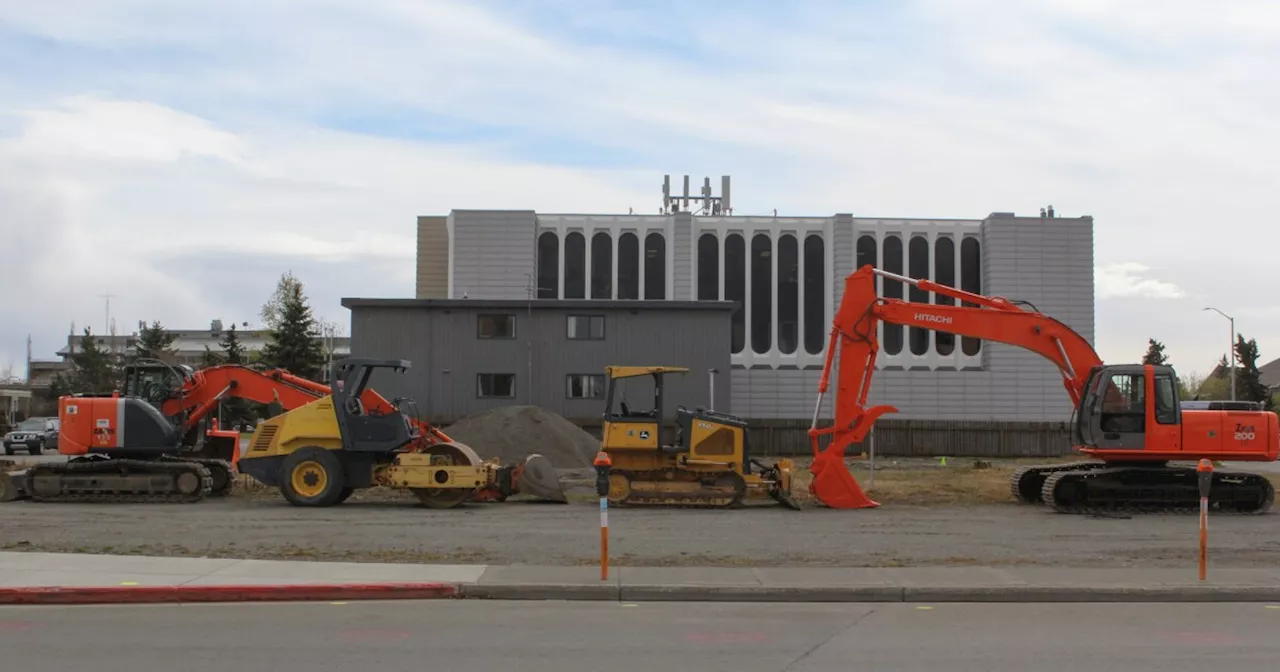
Several sectors contribute to Alaska’s pronounced seasonal employment changes, with tourism, seafood processing, and construction leading the way. These industries attract thousands of seasonal workers to communities across the state, particularly during the summer months. State economist Dan Robinson emphasized the economic impact of these seasonal workers, stating, “There’s some big economic activity that occurs seasonally, that just really blows things up in the summer.”
Historically, Alaska’s employment variability was even more pronounced. In the 1970s, the gap between employment levels in peak and off-peak months exceeded 40%, largely due to the construction boom associated with the Trans-Alaska Pipeline. Since then, the seasonality of the job market has stabilized, with fluctuations remaining relatively consistent since the early 1990s.
Regional Variations and Migration Trends
Certain rural areas of Alaska exhibit even more dramatic employment swings. For example, in the Bristol Bay Borough, employment surges from just under 500 jobs to nearly 4,000 during the summer months, marking an increase of over 667%. Robinson noted that smaller communities often lack diversified industries, making them particularly reliant on fishing and tourism, which serve as significant economic drivers.
Other regions, such as Denali Borough and Skagway, also experience extreme seasonal variations attributed to their tourism industries. In contrast, larger urban areas like Anchorage see much less fluctuation, with seasonal changes limited to around 6%.
The data also highlights that Alaska has the highest gross migration rate in the United States. From 1990 to 2018, the state recorded a notable influx and outflux of residents. Robinson explained that Alaska’s appeal stems from its adventurous lifestyle, drawing tourists and potential residents alike. However, he also pointed out that there are factors pushing people away, making the migration patterns complex.
In summary, Alaska’s distinct seasonal employment patterns showcase the state’s reliance on specific industries and the shifting dynamics of its workforce. The insights provided by the Department of Labor and Workforce Development underline the importance of understanding these trends for both economic planning and community development.