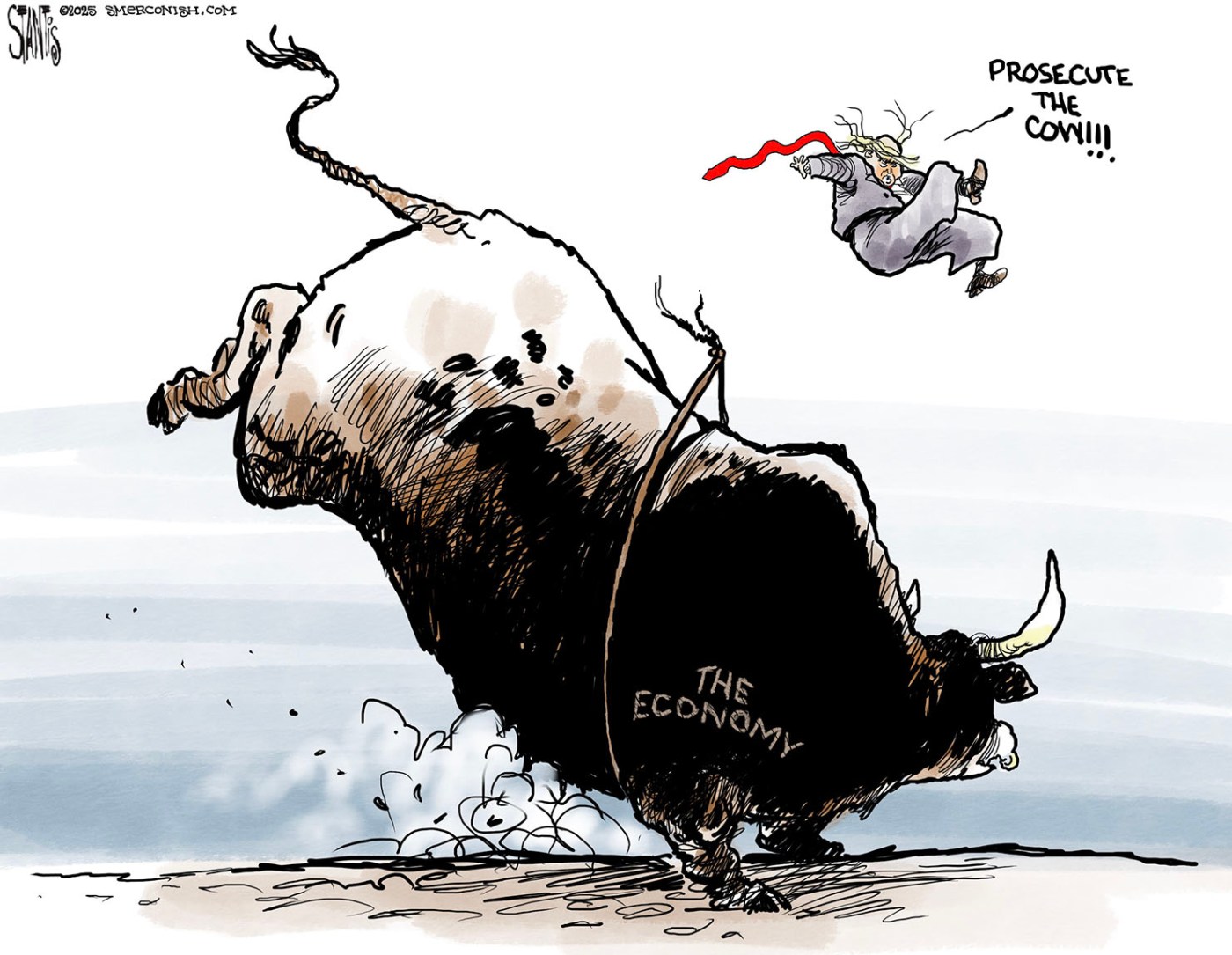
Recent economic reports indicate significant challenges facing global markets, as economic indicators point to a slowdown in growth. In September 2023, the International Monetary Fund (IMF) reported a sharp decline in growth projections, raising concerns about inflation and employment rates across various countries.
The IMF’s latest assessment highlighted that global economic growth is projected to slow to 3.0% for 2023, significantly lower than previous forecasts. Contributing factors include persistent inflation and tightening monetary policies implemented by central banks. The report suggests that these conditions may exacerbate existing economic disparities, particularly in developing nations.
Inflation and Central Bank Responses
Inflation rates have surged in many regions, with some countries experiencing peaks not seen in decades. For instance, the United States recorded an inflation rate of 6.4% in August 2023, prompting the Federal Reserve to consider further interest rate hikes. Similarly, the European Central Bank has adjusted its policies to combat rising prices, which have affected everyday consumers and businesses alike.
These measures, while aimed at stabilizing economies, have raised concerns about potential recessions. Economists warn that aggressive rate hikes could stifle economic activity, leading to job losses and decreased consumer spending. The IMF emphasized the need for a balanced approach to monetary policy that supports growth while addressing inflationary pressures.
Impact on Employment and Consumer Confidence
The rising cost of living has negatively impacted consumer confidence, leading to a decline in spending. Many households are feeling the strain as prices for essential goods continue to rise. The IMF’s report noted that countries with weaker social safety nets could see more significant challenges, particularly as unemployment rates are expected to increase.
In light of these economic challenges, policymakers are urged to implement strategies that not only control inflation but also support vulnerable populations. This includes investing in job creation and ensuring access to essential services, which are critical for maintaining social stability.
As the global economy navigates these turbulent waters, the next few months will be crucial in determining the long-term trajectory of growth and recovery. The IMF’s projections serve as a reminder of the interconnected nature of global markets and the importance of coordinated responses to economic challenges.