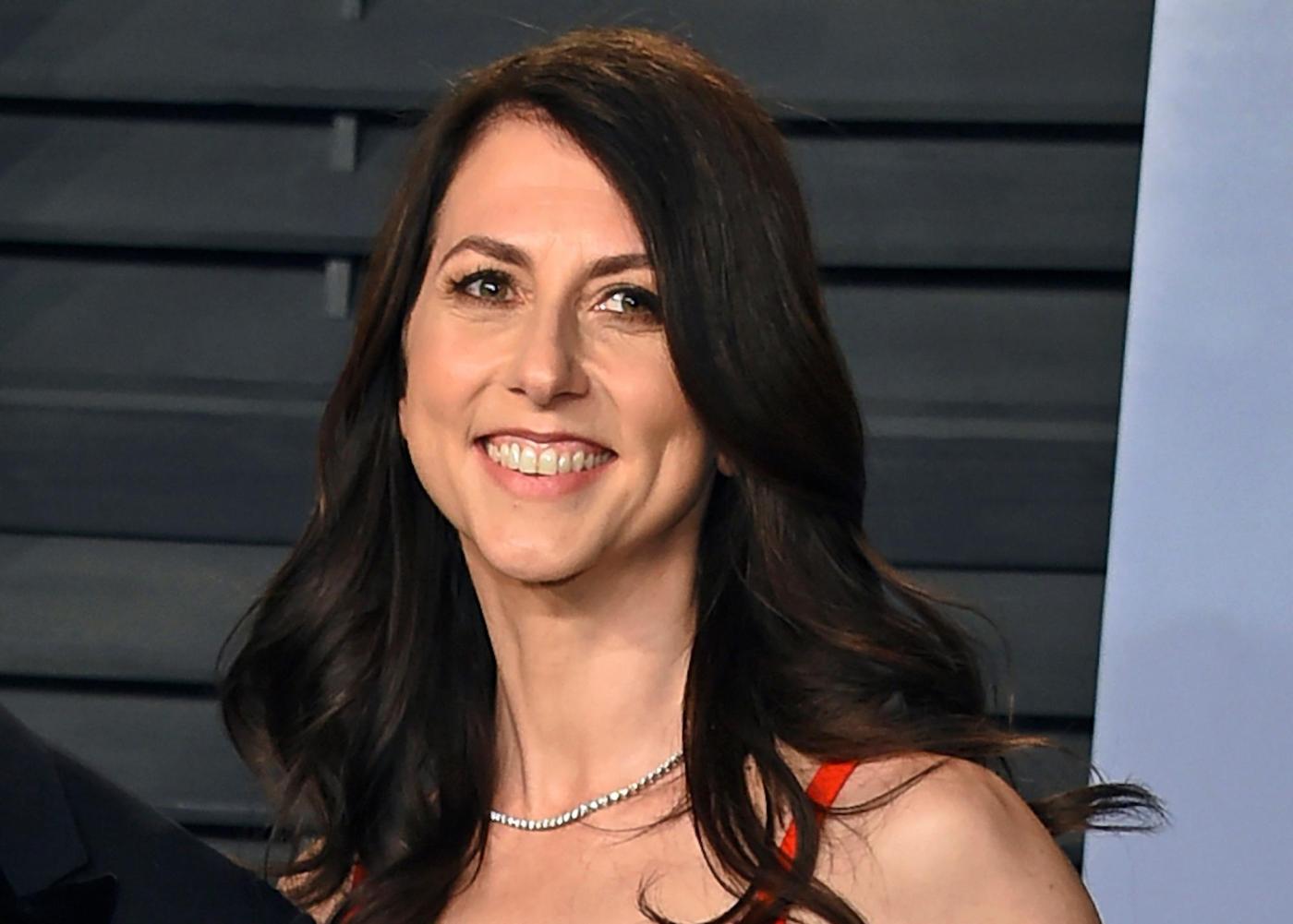
Philanthropist and author MacKenzie Scott has announced $7.1 billion in donations to various nonprofits in 2025, bringing her total contributions since 2019 to an impressive $26.3 billion. This significant financial commitment underscores her ongoing efforts to support causes that promote education, climate action, and community development.
Scott first pledged to donate the majority of her wealth following her 2019 divorce from Amazon founder Jeff Bezos. Since then, she has provided substantial, unrestricted gifts to nonprofits without requiring formal applications or progress reports. While the majority of her funding has been directed towards organizations in the United States, her impact reaches beyond national borders.
Focus on Education and Climate Initiatives
In her latest round of donations, Scott’s focus has shifted notably towards supporting colleges and universities, particularly historically Black colleges and tribal institutions, as well as community colleges. In 2025, she contributed at least $783 million to historically Black colleges and universities (HBCUs) and made significant gifts to scholarship funds.
A noteworthy aspect of this year’s contributions includes a pronounced emphasis on climate organizations. Among the recipients, the largest individual donation of $90 million went to Forests, People, Climate, a collaborative initiative aimed at combating tropical deforestation.
According to Panorama Global, which analyzes philanthropic trends, Scott’s previous environmental donations have constituted a minor portion of her overall giving. In 2024, only 9.4% of her contributions were directed toward environmental causes, although those amounts tended to be larger than donations in other areas. Gabrielle Fitzgerald, founder and CEO of Panorama Global, noted that Scott’s giving priorities appear to vary significantly from year to year, highlighting a current emphasis on education and climate issues.
Her Wealth Grows Amid Generosity
Despite her extensive philanthropic efforts, Scott’s wealth remains substantial. When she began detailing her donations in 2020, her fortune was estimated at around $36 billion. Forbes currently places her net worth at approximately $33 billion, despite her having donated over $26 billion. This paradox of growing wealth alongside significant charitable giving illustrates her financial acumen.
Initially, Scott advised recipients not to anticipate further funding. However, she has since provided follow-up gifts to several organizations, often exceeding her original contributions. For instance, CAMFED, which supports girls’ education in African countries, has received four gifts from her, including a remarkable $60 million in 2025.
The consistent leadership and community focus of many HBCUs receiving her support have drawn attention. Marybeth Gasman, a professor at Rutgers University and expert on HBCUs, emphasized that Scott is particularly interested in institutions that demonstrate strong community ties.
The Impact of Unrestricted Funding
One of the defining features of Scott’s donations is their unrestricted nature, allowing nonprofits the freedom to allocate the funds as they see fit. This flexibility is rare among major donors who often impose specific conditions on their contributions. Research conducted by the Center for Effective Philanthropy in 2023 indicates that concerns regarding the potential misuse of Scott’s funds have largely not materialized. This may be due to her team’s thorough vetting process prior to making donations.
Unrestricted grants empower nonprofits to withstand challenges, experiment with new strategies, or enhance their operational infrastructure. For example, following funding cuts from the U.S. Agency for International Development during the Trump administration, Village Enterprise, a nonprofit focused on poverty alleviation, utilized a grant from Scott in 2023 to maintain essential programs.
Scott also allows recipient organizations the discretion to determine whether to disclose the amounts received. In 2025, over one-third of the recipients opted not to share their funding details publicly. Fitzgerald remarked that Scott’s approach appears focused on promoting the work of the organizations rather than drawing attention to her own contributions.
In her writings, Scott consistently emphasizes the role of other stakeholders and contributors, distinguishing her philanthropy from that of many other prominent donors who often centralize their narratives.
As Scott continues her philanthropic journey, her latest donations reflect a commitment to addressing pressing social issues, particularly in education and environmental sustainability, positioning her as a leading figure in contemporary philanthropy.