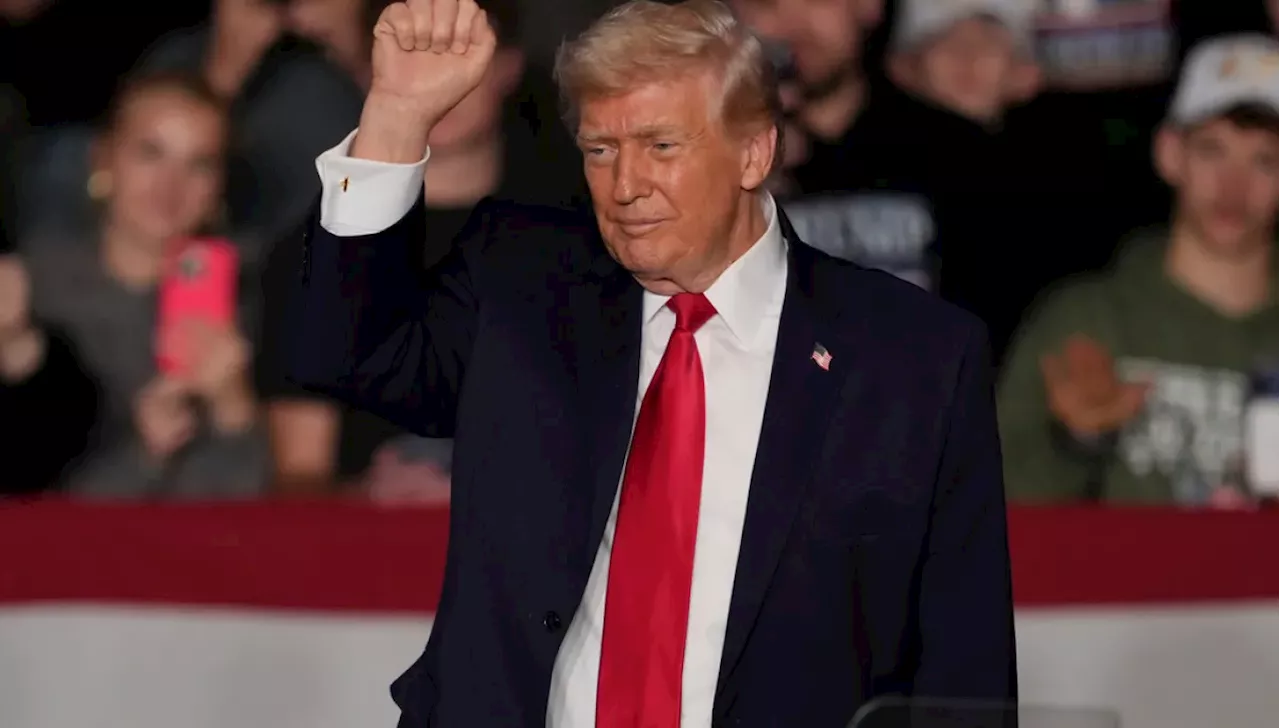
In a recent interview, President Donald Trump expressed pride in the current state of the U.S. economy, despite a majority of Americans disapproving of his economic management. According to a poll conducted by NPR, Marist, and PBS News, only 36% of respondents approved of Trump’s handling of the economy, while 59% disapproved. This represents a slight increase in disapproval from 57% in the previous month, marking the highest disapproval rating for the economy during either of Trump’s two terms.
When asked during a pre-Super Bowl interview if the nation is experiencing what he terms the “Trump economy,” he confidently stated, “I’d say we’re there now.” This assertion signifies a notable shift in Trump’s messaging as he takes ownership of the economy, moving away from his past tendency to blame former President Barack Obama and the Democratic Party for economic challenges.
Trump remarked, “They’re the ones that caused the problem,” referring to Democrats. He emphasized his belief that his administration has improved economic conditions, saying, “I took over a mess in every way.” His comments come on the heels of a broader strategy that aims to shift discourse towards what he terms “affordability,” an issue that significantly influenced several state elections in November 2023.
Shifting Economic Narrative
Since the elections, Trump’s approach has evolved, as he has embarked on a nationwide tour aimed at defending his economic policies. He contends that these policies have contributed to reducing the U.S. trade deficit and enhancing domestic manufacturing. Yet, the poll indicates a divergence between Trump’s views on tariffs and the general public sentiment. While Trump believes that tariffs benefit the U.S. economy, the survey revealed that 56% of respondents feel that imposing tariffs on foreign countries ultimately harms the economy, with only 31% supporting the practice.
The issue of affordability has emerged as a crucial factor in the economic narrative, especially as it relates to consumer perceptions and political outcomes. The Democrats secured victories in key gubernatorial races, reflecting a growing concern among voters about the rising cost of living and economic management.
Trump’s insistence on the success of his economic policies contrasts sharply with public sentiment, as his administration continues to face scrutiny over its handling of inflation and economic growth. The president’s claims of pride in the economy are juxtaposed against the backdrop of declining approval ratings, illustrating the complexities of public perception in an election year.
As the political landscape evolves, Trump’s economic messaging will likely remain central to his campaign strategy. With the 2024 elections approaching, the administration’s focus on affordability and economic performance will be critical in shaping voter opinions and outcomes in the coming months.