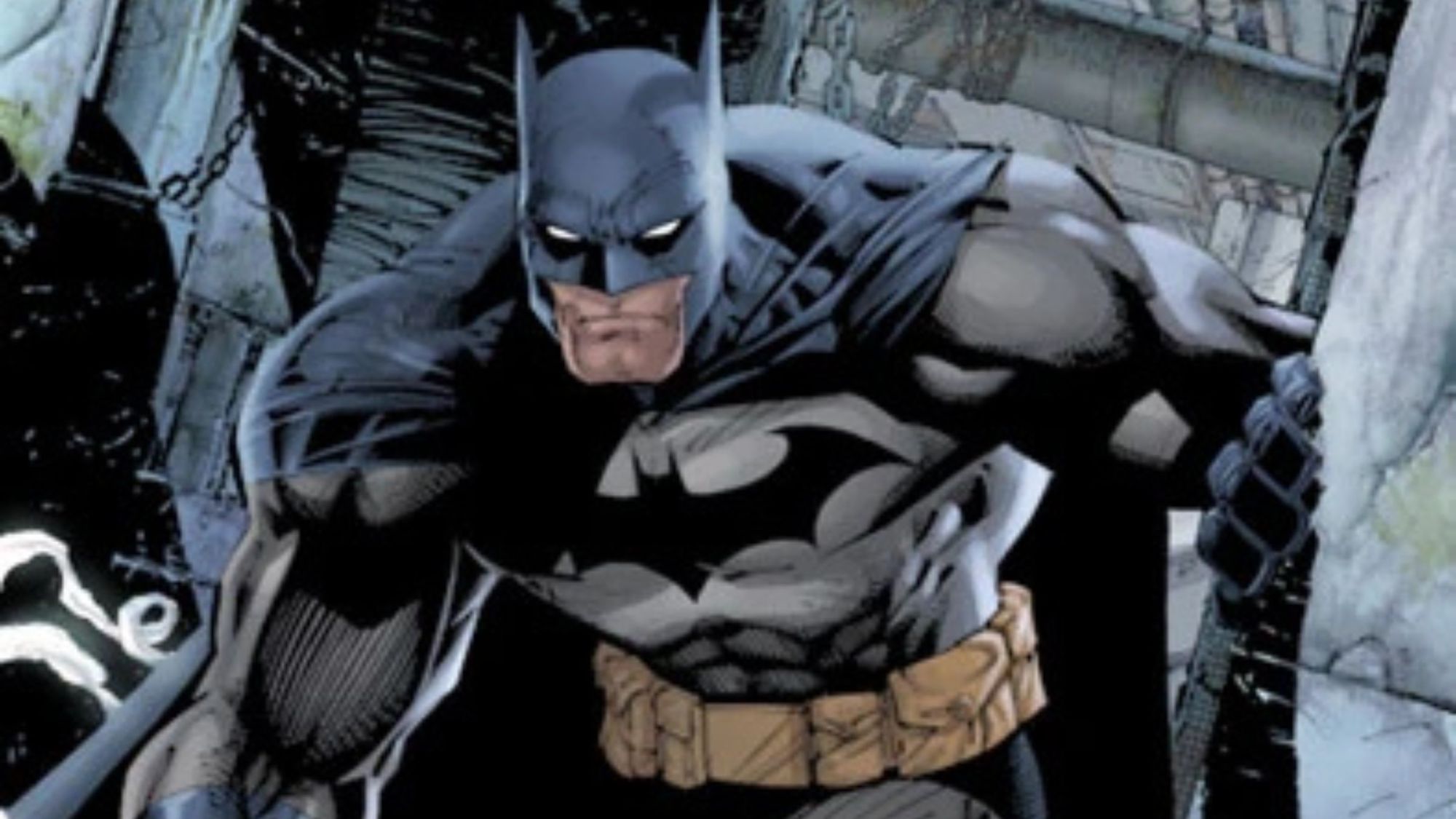
Batman’s strategic approach, often characterized by his meticulous “prep time,” nearly resulted in the downfall of Gotham City during the “Batman: War Games” event. This storyline, which unfolded from late 2004 to March 2005, highlights how the Dark Knight’s desire for control can lead to catastrophic consequences, particularly when his plans are mismanaged by those close to him.
The “War Games” saga began when Gotham’s gang leaders were summoned to a mysterious meeting. Unbeknownst to them, this gathering was orchestrated as part of one of Batman’s contingency plans, intended to instigate a gang war. The aim was to position one of Batman’s allies in control of Gotham’s criminal underworld. Unfortunately, this plan spiraled out of control when it became clear that one critical crime lord, “Matches” Malone, was absent from the meeting. This alias, a secret identity of Batman himself, was crucial for maintaining balance among the gangs. Without Malone’s involvement, the situation rapidly deteriorated.
As tensions escalated, various factions clashed, leading to a full-scale gang war that engulfed Gotham. Batman struggled to recognize the chaos as a result of his own contingency plan, which he had previously shelved due to its questionable morality. Eventually, the plan was activated by Stephanie Brown, who was then serving as Robin. Her intention was to earn Batman’s respect, but she did not grasp the full implications of her actions.
In the midst of the turmoil, Gotham’s underworld was seized by the Black Mask, a ruthless crime lord who took advantage of the situation. He not only established himself as the new kingpin but also orchestrated the death of Stephanie Brown, who was then known as Spoiler. Captured by the Black Mask, she suffered serious injuries and ultimately succumbed to her wounds while in the care of Dr. Leslie Tompkins, a trusted ally of Batman. This shocking turn of events underscored the personal toll of Batman’s failed plans and left a significant mark on the Batman family.
As the chaos unfolded, the ramifications extended beyond the immediate violence. The Black Mask’s actions threatened the safety of Oracle, another key ally, as he sought to locate her operational base. The consequences of Batman’s failed contingency plans resulted in a significant loss of trust from the citizens of Gotham. They began to question his effectiveness as a protector, a sentiment that resonated deeply within the community.
The fallout from “Batman: War Games” left Gotham City in a fragile state. The impact on Batman was profound; he lost the strategic advantage provided by Oracle, who had been instrumental in his operations. In the wake of this crisis, Batman’s reputation suffered as his adversaries began to consolidate their power under the Black Mask’s leadership.
Ultimately, the events of “Batman: War Games” serve as a cautionary tale about the limits of control and the dangers of secrecy. The ramifications of Batman’s contingency plans illustrate how even the most well-intentioned strategies can lead to devastating outcomes. Gotham City was left battered, and the people’s faith in their Dark Knight waned, raising unsettling questions about the effectiveness of his methods in a city rife with crime.
As fans reflect on this pivotal moment in Batman’s history, it becomes clear that his quest for control not only endangered Gotham but also cost him dearly in personal loss. The duality of Batman’s character—his strengths and weaknesses—continues to resonate, reminding us that even the most formidable heroes are not immune to failure.