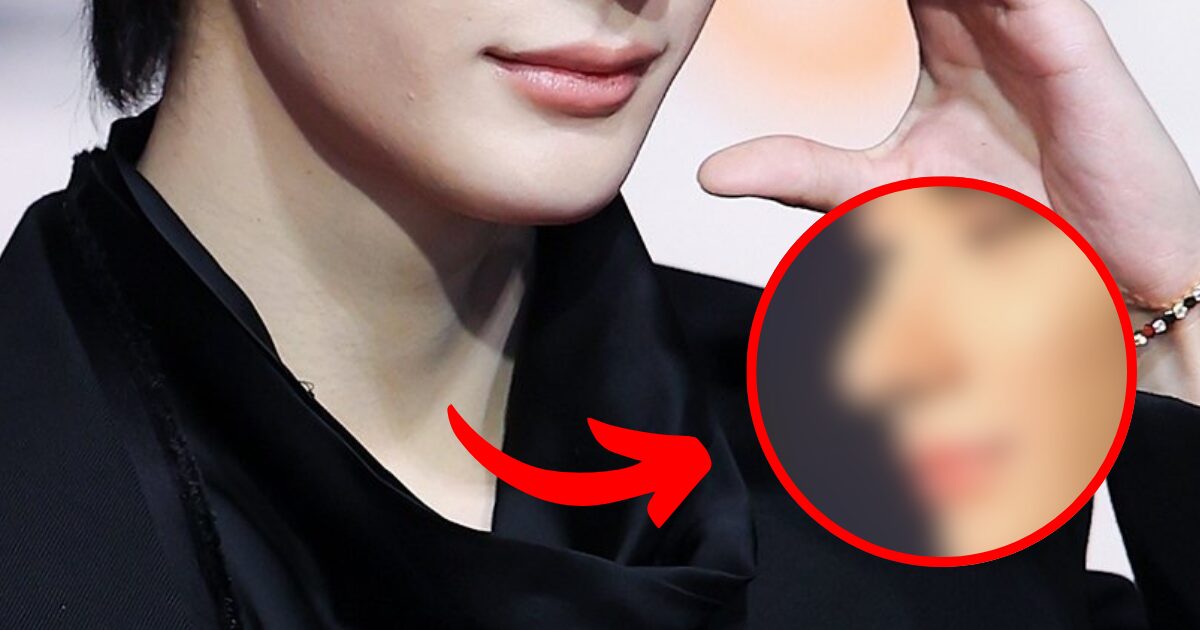
The K-pop star Anton of the group RIIZE has become the center of attention for negative reasons, facing harsh criticism online regarding his appearance. This backlash erupted after a post on the South Korean platform Pann went viral, specifically targeting his nose. The post, which included screenshots of Anton’s side profile, quickly climbed to the top of the most viewed discussions, prompting a wave of ridicule from users.
Within hours, comments began pouring in, with many netizens expressing unflattering comparisons and remarks. One comment noted, “It’s similar to Sakura’s nose,” while another quipped, “I clicked thinking it was Winter, but it’s Anton.” The sentiment displayed a lack of empathy, with comments like, “Every time I see it, it looks like it’s getting bigger,” reflecting the harsh realities of public scrutiny faced by idols in the industry.
International Reactions Contrast with Korean Responses
In stark contrast to the reactions from Korean netizens, international fans have taken to social media platforms such as X (formerly Twitter) to express their admiration for Anton’s looks. Posts celebrating his appearance have gone viral, with one user stating, “i want anton so bad it’s not funny anymore dude like i gen feel sick how he can do nothing and still be this mighty fine.” Another fan exclaimed, “anton getting hotter and hotter every time we see him i don’t think i can survive this for too long.”
These differing perspectives highlight a significant divide in how K-pop idols are perceived by domestic and international audiences. While many in South Korea have focused on appearance-related critiques, fans overseas have embraced Anton’s charm and appeal, showcasing a more supportive attitude.
Impact on RIIZE and the K-pop Industry
The backlash against Anton is not an isolated incident but part of a broader trend in the K-pop industry, where idols often face extreme scrutiny regarding their looks. The reaction to Anton’s nose has sparked discussions about the pressures placed on young stars and the sometimes toxic nature of online commentary.
The incident has also led to a series of protests from RIIZE fans. Supporters of the group sent protest trucks to the headquarters of SM Entertainment, demanding respect and protection for their idols. This move has garnered attention, further igniting conversations about the treatment of K-pop stars within the industry.
As the discourse continues, it remains to be seen how this situation will evolve for Anton and RIIZE. The stark contrast between domestic criticism and international support illustrates the complex dynamics of fame in the global K-pop landscape.