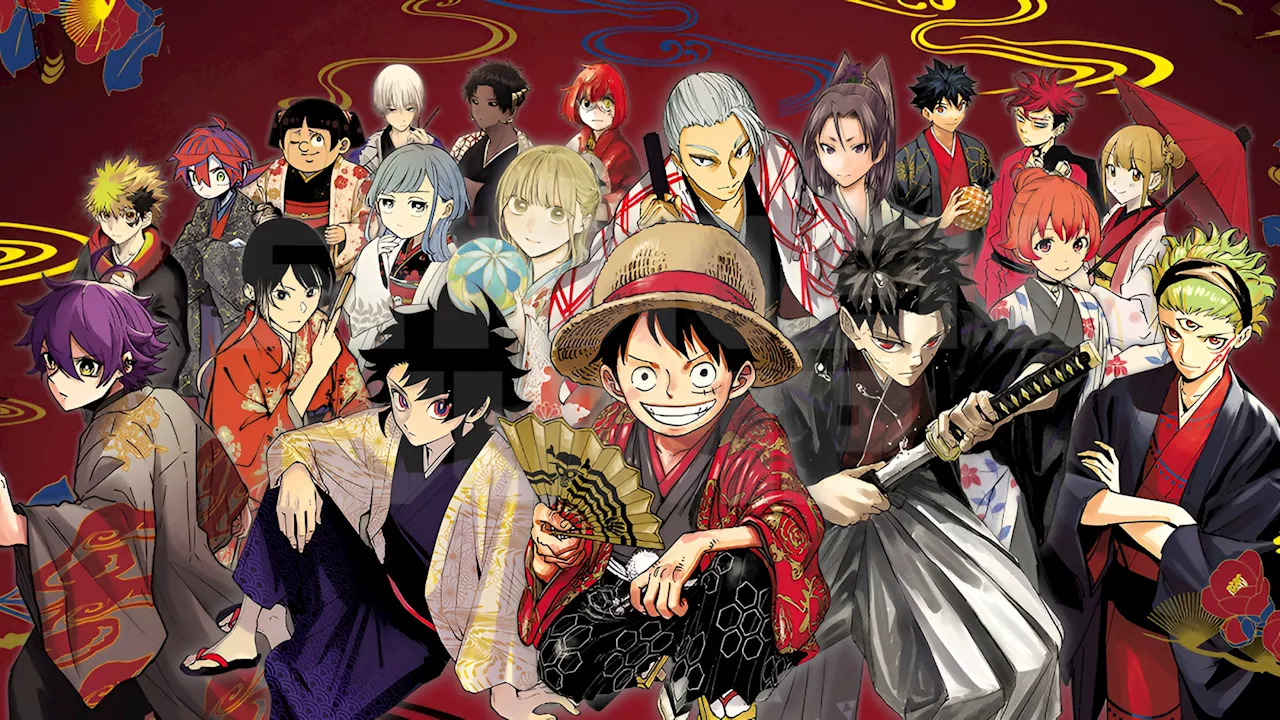
The impact of the **Weekly Shonen Jump (WSJ)** manga magazine on the anime industry is profound, with many popular series emerging from its pages. This article examines how WSJ has not only maintained its status as one of the best-selling manga magazines but also how its adaptations have influenced viewer engagement and fan expectations. While many titles have achieved remarkable success, others have faced significant backlash due to disappointing anime adaptations.
WSJ has consistently produced hit series that redefine modern shonen manga. Titles like **My Hero Academia** and **Demon Slayer** have garnered massive followings, translating their popularity into successful anime adaptations. Yet, even within this esteemed catalog, some adaptations have failed to resonate with fans. A notable example is the highly acclaimed manga that won the **Shogakukan Manga Award** in 2018, known for its gripping mystery and intense art style. While the manga quickly captured the attention of readers, its anime adaptation by **CloverWorks** has drawn criticism.
The anime’s first season, which aired in 2019, made minor changes that fans largely accepted. However, the second season released in 2021 deviated significantly from the source material, leading to widespread disappointment. Fans expressed their frustration, turning the situation into an inside joke about the series never receiving a proper sequel. This illustrates the delicate balance adaptations must maintain between remaining faithful to the original content and appealing to a broader audience.
In a related development, a popular streaming platform has announced its list of upcoming anime additions and removals for **January 2026**. Among the titles set to join the platform are **Black Bullet**, **Kamigami no Asobi**, and **The Comic Artist and His Assistants**. While these additions signify ongoing interest in anime content, they also come with the reality of other series being removed.
Though the aforementioned anime adaptations faced challenges, the first season of the original series remains highly regarded. The second season aimed to conclude the story but opted to skip crucial arcs and alter the narrative significantly. As a result, many fans are left feeling that the adaptation did not do justice to the compelling story established in the manga.
Despite the challenges faced by certain adaptations, readers can still access the original manga. The story, which concluded in **2020**, is available through official sources such as **Manga Plus** and **Shonen Jump**, and physical and digital copies can be purchased via **Viz Media**. This accessibility ensures that fans can still engage with the source material even as adaptations continue to evolve.
As the anime landscape changes with new releases and adaptations, the influence of WSJ remains a central theme in discussions about quality and fidelity in storytelling. The ongoing evolution of the anime industry reflects both the successes and failures of adaptations, highlighting the importance of understanding fan expectations and the nuances of translating manga to the screen.
In summary, while WSJ continues to be a powerhouse in the manga industry, the challenges faced by some anime adaptations underscore the complexities of adapting beloved stories. Fans remain hopeful that future adaptations will strive for greater fidelity to their source material, ensuring that the rich narratives found in manga are honored on screen.