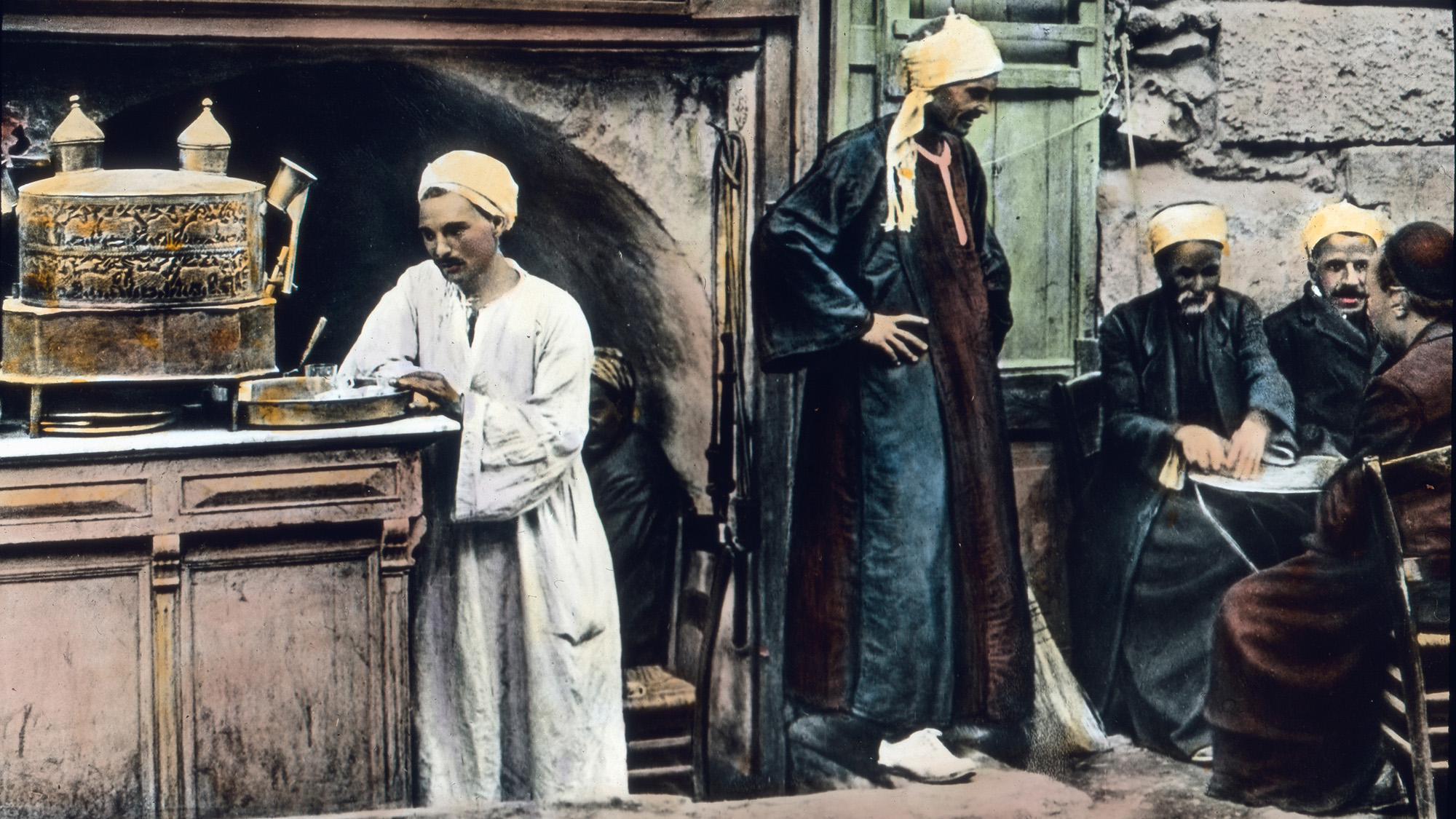
Throughout history, the enjoyment of coffee has faced significant opposition, leading to bans that were often severe and, in some cases, deadly. From the 16th century onwards, coffee became a focal point of political and social tension, drawing ire from various authorities who perceived it as a threat to their control. In several notable instances, coffee drinkers faced harsh penalties, including execution. This article examines four significant historical bans on coffee and the motivations behind them.
Mecca’s Severe Crackdown in the 16th Century
Coffee made its way to Mecca around the year 1500, quickly gaining popularity among locals and pilgrims alike. By 1511, Kha’ir Beg, a prominent Meccan official, expressed serious concerns about the beverage. He convened a group of scholars, pressuring them to endorse a ban on coffee. Citing health concerns and the belief that coffee drinkers engaged in unruly behavior, Kha’ir Beg ordered the closure of coffeehouses, burning coffee beans and punishing drinkers physically.
The backlash was swift. Kha’ir Beg reported his actions to Sultan Al-Ashraf Qansuh al-Ghuri, who responded with a royal edict allowing private consumption of coffee, albeit prohibiting public drinking. This ruling effectively undermined Kha’ir Beg’s efforts, enabling the people of Mecca to return to their beloved beverage and coffeehouses.
Death Penalty Under Sultan Murad IV in Istanbul
In the 17th century, the Ottoman Empire faced similar tensions, particularly under the rule of Sultan Murad IV. Concerned about the potential for rebellion, he viewed coffeehouses as breeding grounds for insurrection. In a drastic measure, he imposed a death penalty on anyone found drinking coffee in public. The paranoia stemming from his own rise to power, which was influenced by uprisings, drove his actions.
Sultan Murad IV is often depicted in historical accounts as a tyrant, personally executing individuals for coffee consumption. Reports suggest that he would disguise himself and roam the streets of Istanbul, ready to punish offenders harshly.
Sweden’s Multiple Bans Driven by Economic Concerns
Sweden’s relationship with coffee was fraught with suspicion as well, resulting in five separate bans between 1756 and 1817. King Gustav III led the charge against coffee, fearing its effects on health and society. One well-circulated anecdote involves a controversial experiment where a pair of twins consumed coffee and tea to determine which was more harmful. Although Gustav III was assassinated in 1792, the validity of this twin trial is disputed by researchers such as Michal Salamoni from Umeå University.
The Swedish bans primarily stemmed from economic motivations, as officials aimed to protect domestic trade by limiting imports of coffee, often produced in colonies controlled by other European nations. Enforcement of these bans included arrests, fines, and imprisonment for those found consuming or selling coffee.
Prussia’s Coffee-Sniffer Initiative
In the late 18th century, Frederick the Great of Prussia expressed disdain for coffee, criticizing its growing popularity among his subjects. In 1777, he issued a statement lamenting the economic outflow attributed to coffee consumption and established a royal monopoly on the beverage. Citizens were prohibited from importing or roasting their own coffee, leading to a rise in smuggling activities.
To combat this illicit trade, Frederick created a secret police force known as the “Kaffeeschnüffler,” composed of war veterans tasked with detecting the aroma of roasted coffee. Offenders faced heavy fines, with a portion of the penalty going to the sniffer who caught them.
Despite the historical significance of these bans, modern attitudes towards coffee have shifted dramatically. Today, the beverage enjoys widespread acceptance, and medical experts largely agree that moderate coffee consumption poses minimal health risks. However, rising costs due to tariffs and climate change continue to affect coffee prices globally, reminding consumers of the beverage’s tumultuous history.
As these historical examples illustrate, coffee has often been more than just a drink; it has served as a catalyst for social interaction and political discourse, something that many rulers have historically found threatening.