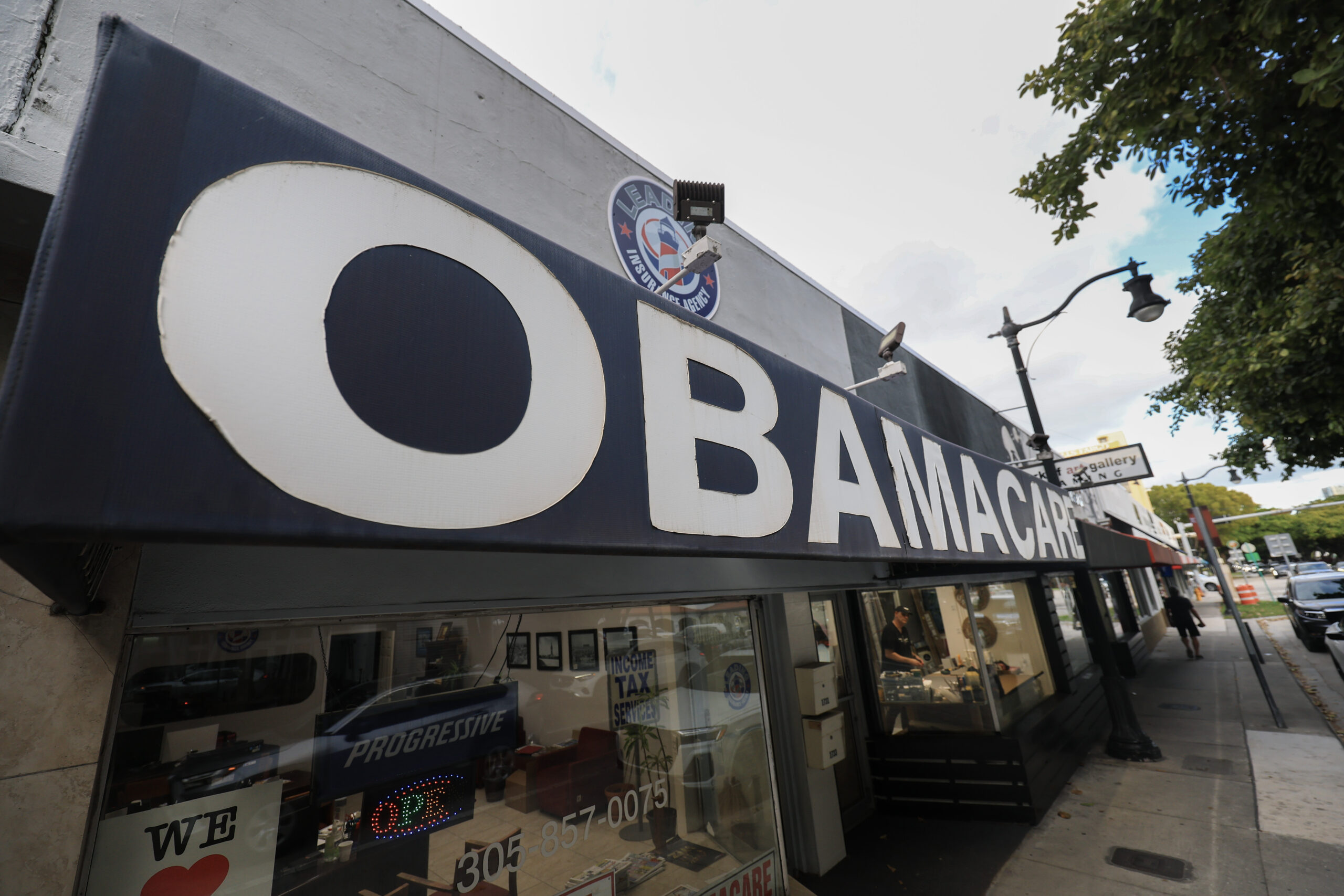
Sign-ups for the Affordable Care Act, commonly known as Obamacare, have remained steady as of now, with enrollment numbers surpassing those of 2024. However, state officials have raised concerns about a rise in policy terminations, a decline in new enrollees, and an increase in consumer inquiries for assistance. The situation poses potential challenges for the future of healthcare coverage in the United States.
Concerns primarily stem from the possibility that Congress may not extend enhanced subsidies, which are set to expire in January 2024. If these financial supports are not renewed, many fear that enrollment could see a significant decline. According to the Centers for Medicare & Medicaid Services, the current enrollment period has seen approximately 15 million individuals signing up for coverage, a figure that exceeds last year’s numbers. Yet, state officials warn that the influx of new participants may not be sufficient to offset the growing number of terminations.
Data shows that while the overall enrollment is positive, states are observing troubling trends. For instance, some regions report a 20% increase in terminations compared to last year. This rise can be attributed to various factors, including individuals facing financial difficulties and opting out of plans they can no longer afford. Additionally, the number of new enrollees appears to be declining, which state officials attribute to uncertainty regarding future subsidies.
Consumer assistance calls have also increased significantly, highlighting the need for support during this enrollment period. Many individuals are seeking guidance on navigating their options, especially as they prepare for potential changes in their healthcare costs. Reports indicate a jump of over 30% in inquiries directed at HealthCare.gov, underscoring the heightened anxiety surrounding health insurance.
The absence of a clear path forward regarding enhanced subsidies contributes to this uncertainty. The subsidies, which have significantly lowered costs for many Americans, have been a critical factor in the increased enrollment numbers. Without their extension, many fear that insurance premiums could rise, leading to a decrease in coverage.
State officials are urging Congress to act swiftly to ensure that these subsidies are extended. They argue that maintaining financial support is essential for fostering a stable enrollment environment. John Smith, a health policy advisor in California, stated, “The stakes are high. If we lose these subsidies, we risk pushing millions of Americans off their health coverage.”
As the January deadline approaches, stakeholders are closely monitoring developments in Washington. The decision to extend the subsidies will play a pivotal role in determining the future landscape of the Affordable Care Act. If Congress fails to act, the implications could be profound, potentially leading to a surge in uninsured individuals across the country.
In conclusion, while current enrollment numbers for Obamacare are encouraging, the looming threat of subsidy expiration raises significant concerns. The coming months will be critical as individuals, state officials, and policymakers navigate the complexities of health coverage in the United States.