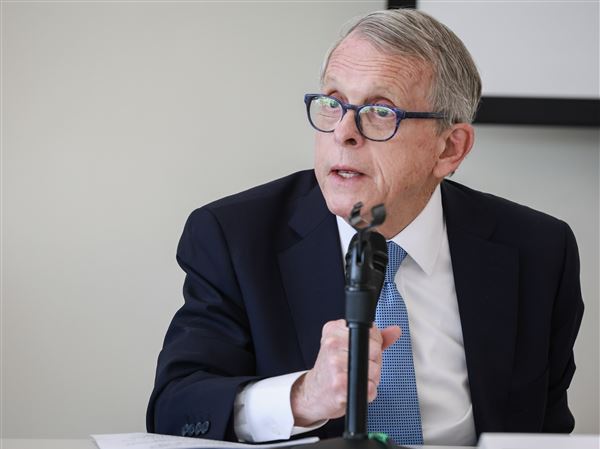
Ohio Governor Mike DeWine has proposed an emergency rule to classify all synthetic kratom compounds as illegal drugs. This announcement, made on October 26, 2023, aims to address rising public health concerns associated with these substances.
Urgent Action Required
During a press briefing in Columbus, DeWine emphasized the need for immediate action by the Ohio Board of Pharmacy. He stated that the synthetic versions of kratom, which are often marketed as herbal supplements, pose significant risks to consumers. These compounds can lead to serious health issues, including addiction and overdose.
The governor’s call for an emergency rule comes amid growing evidence that synthetic kratom can be more potent and dangerous than its natural counterpart. By designating these substances as illegal, the state aims to safeguard residents from potential harm.
Health Risks and Legislative Support
Research has shown that synthetic kratom can contain harmful additives and may not provide the purported benefits that users seek. Public health officials have raised alarms over the increasing number of reported incidents related to synthetic kratom consumption.
DeWine’s proposal is part of broader efforts to regulate substances that threaten public safety. The Ohio Board of Pharmacy is expected to convene and discuss the proposed emergency rule, potentially paving the way for swift legislative action. This initiative reflects a growing trend among state governments to tighten regulations on substances deemed hazardous.
Support for the governor’s initiative has been expressed by various health organizations, which advocate for stricter controls on synthetic drugs. This move aligns with similar actions taken by other states that have encountered challenges related to unregulated substances.
As Ohio prepares for the upcoming discussions, the implications of this emergency rule could resonate beyond the state’s borders. It highlights the ongoing conversation about the safety of herbal supplements and the need for comprehensive regulatory frameworks to protect public health.