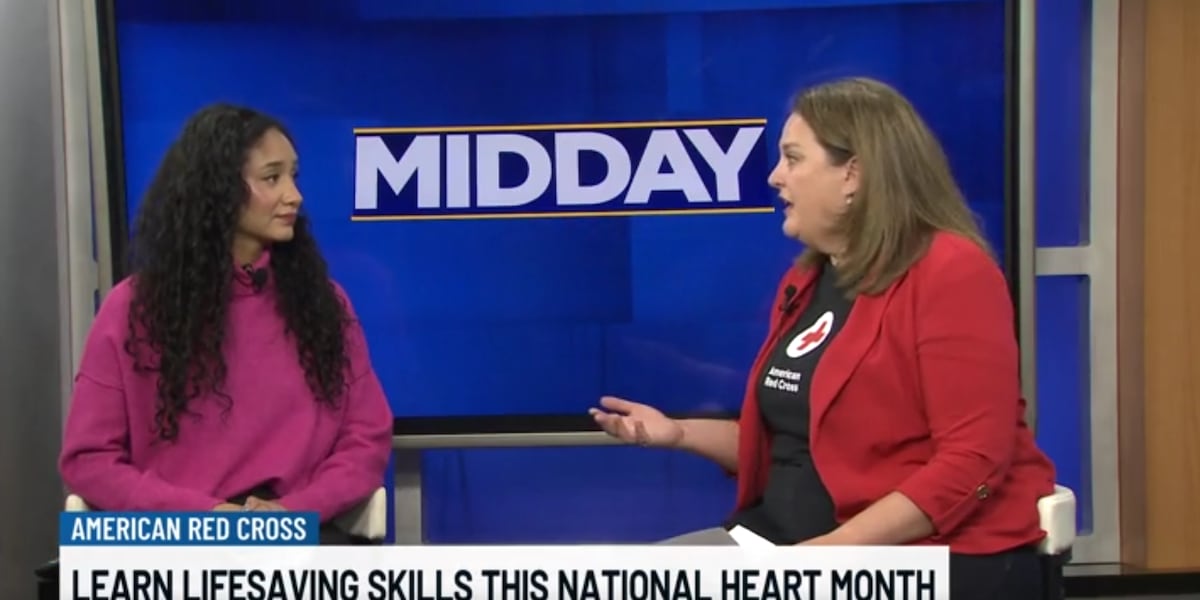
During National Heart Month, the American Red Cross is emphasizing the importance of CPR training, as over 300,000 people in the United States experience cardiac arrest outside of hospitals each year. This alarming statistic highlights the critical need for individuals to learn life-saving techniques that can make a significant difference in emergencies.
Empowering Communities Through Training
“Having the ability to respond to a cardiac emergency makes you a better, more confident caregiver,” stated Christie Caster, executive director of the Red Cross of Western Colorado. She underscored the vital role that community members can play in saving lives by being properly trained in cardiopulmonary resuscitation (CPR) and automated external defibrillator (AED) use.
Infants, older adults, and individuals with chronic health conditions are particularly vulnerable to cardiac arrest, according to health experts. The Red Cross aims to equip more people with the skills needed to respond effectively in such situations. By enhancing its First Aid/CPR/AED training program, the organization has introduced updated techniques specifically for infant CPR and instructions on using epinephrine nasal spray, which is now an approved treatment for anaphylaxis.
Accessing Training Resources
The Red Cross encourages individuals interested in learning these essential skills to seek out training opportunities. Classes are available through the organization’s website, where participants can find local sessions to fit their schedules. Those looking to become certified or refresh their knowledge can visit redcross.org/takeaclass for more information.
By raising awareness during National Heart Month, the Red Cross hopes to inspire more people to take action and learn CPR. The skills gained from these training sessions not only foster confidence in emergency situations but can also create a ripple effect, encouraging others in the community to get trained as well.
As cardiovascular health remains a significant concern, initiatives like these are crucial in promoting awareness and preparedness. With the right training, individuals can potentially save lives and respond effectively when every second counts.