The real estate industry is gearing up for a transformative year in 2026, with a mix of promising opportunities and ongoing challenges. According to the National Association of REALTORS® (NAR), home sales are projected to increase as mortgage rates ease, market stability improves, and job growth continues. Despite this positive outlook, rising home prices are anticipated, with a forecasted increase of 4% driven by supply shortages and steady demand.
While these trends may seem encouraging, the issue of affordability remains a significant hurdle. The NAR’s 2025 Profile of Home Buyers and Sellers revealed that the median age of a first-time buyer in the United States has reached an all-time high of 40 years. This demographic shift underscores the ongoing struggle for first-time buyers to enter the market, primarily due to a lack of affordable housing options.
Preparing for Success in 2026
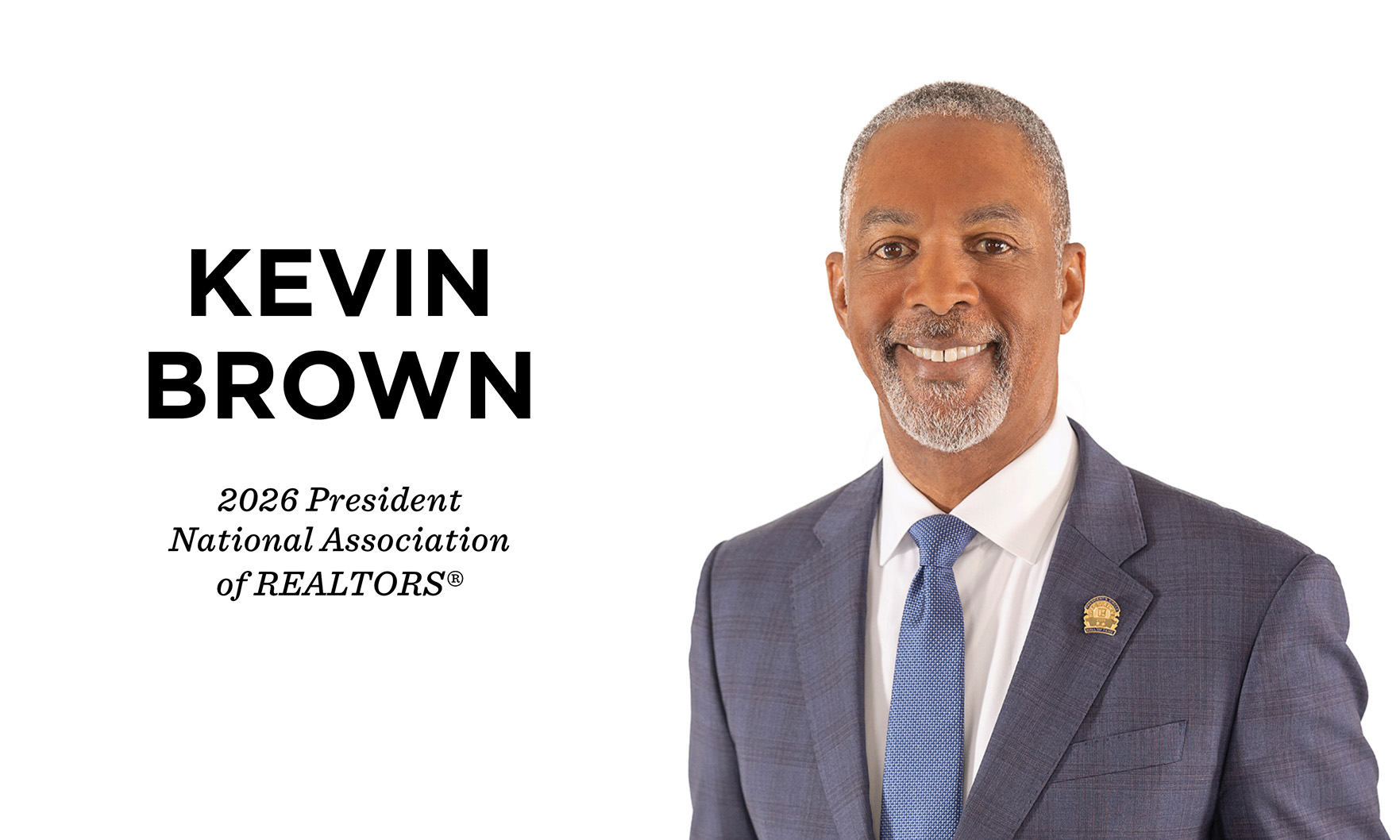
As the industry prepares for the new year, the key to navigating these opportunities lies in preparedness. Drawing on his nearly five decades of experience in real estate, Kevin Brown, the newly appointed president of NAR, emphasizes the importance of being proactive. He states, “If you are not looking ahead, you are already behind.” Successful agents, he notes, are those who actively showcase their value to clients and consumers.
To achieve this, real estate professionals should focus on crafting detailed market analyses, developing tailored property recommendations, and utilizing the latest information to manage client expectations effectively. Providing clients with the right information enables them to make informed, data-driven decisions, setting successful agents apart in a competitive landscape.
NAR is committed to enhancing its preparedness and has initiated efforts to address the crucial issues affecting its members’ daily operations. This includes focusing on financing, inventory management, insurance, zoning restrictions, and other barriers to homeownership. By leveraging research, advocacy efforts, and innovative technology tools, NAR seeks to empower its members to succeed.
NAR’s Strategic Plan for the Future
In line with these objectives, NAR has unveiled a new Strategic Plan that outlines its vision for the next three years. This plan aims to deliver value in an increasingly dynamic marketplace and is guided by the mission to create accessible and sustainable pathways to homeownership. NAR seeks to achieve this by empowering members, forging strong partnerships, and advocating for the industry’s interests.
Brown’s term as president will focus on both listening to stakeholders and implementing actionable strategies to advance the organization and the industry. He acknowledges that while the plan seeks to facilitate important changes, the core role of agents in real estate transactions remains unchanged. According to the Profile of Home Buyers and Sellers, a remarkable 88% of buyers and 91% of sellers relied on an agent in their most recent transactions, highlighting the ongoing demand for professional guidance.
Realtors are expected to uphold the highest standards of expertise and professionalism, adhering to NAR’s Code of Ethics as they navigate the evolving market landscape. Brown expresses gratitude for the dedication of real estate professionals, stating, “Our industry is better because of your efforts.”
As 2026 approaches, the focus will be on seizing opportunities while effectively addressing challenges. The commitment to preparedness will be paramount in ensuring a successful year for the real estate industry. With a foundation built on knowledge, advocacy, and ethical practice, the outlook for 2026 can be one of positivity and growth for all stakeholders involved.