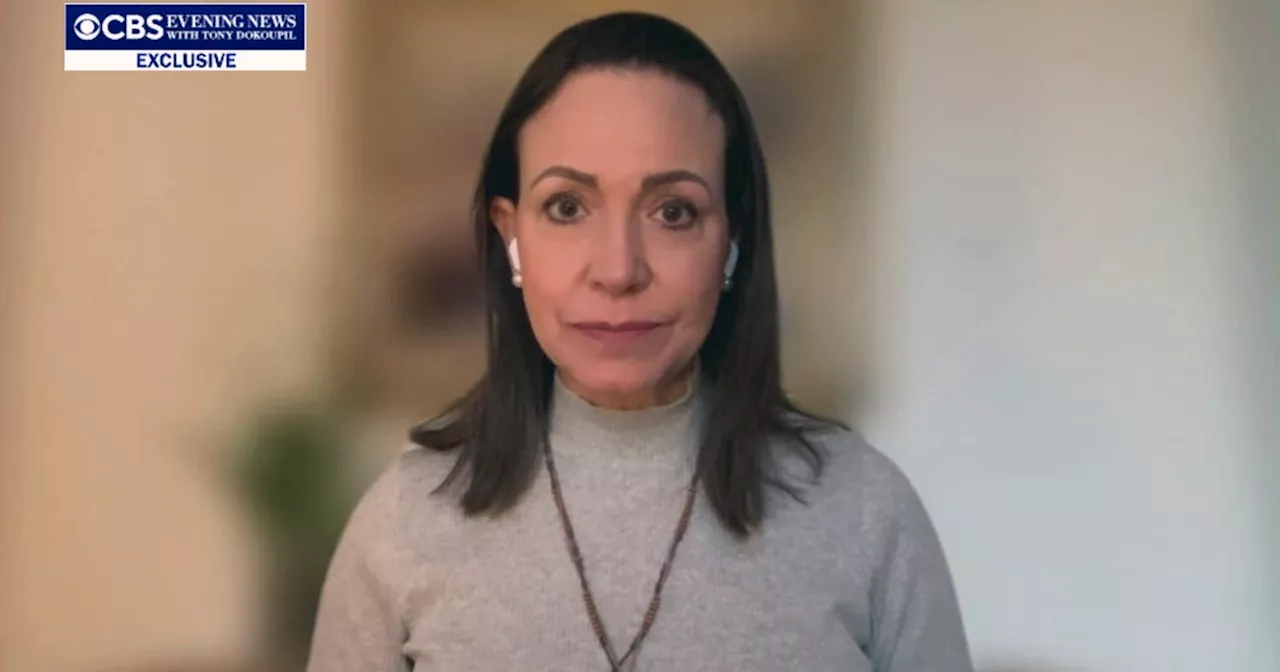
In a striking declaration, Venezuelan opposition leader María Corina Machado has described the newly appointed interim president, Delcy Rodríguez, as “perhaps even more ruthless” than her predecessor, Nicolás Maduro. This comment came during an interview with Tony Dokoupil that aired on CBS Evening News on March 12, 2024. The context for Machado’s remarks is significant, as Rodríguez assumed leadership following Maduro’s capture and extradition to the United States.
Rodríguez, who served as Maduro’s vice president, took the oath of office on March 11, 2024. The Venezuelan military has publicly expressed its support for the 56-year-old politician, bolstering her position at a time of political upheaval. Machado, who has remained in hiding since the controversial elections of 2024, criticized the international community’s perception of Rodríguez as a viable leader. She characterized Rodríguez as one of the key architects behind Maduro’s oppressive regime, particularly highlighting her involvement in the establishment of notorious torture sites within the country.
Rodríguez’s Controversial Legacy
Machado did not hold back in her assessment of Rodríguez’s track record. She stated, “Everybody in Venezuela and abroad knows perfectly who she is and the role she has played,” emphasizing the widespread distrust surrounding Rodríguez’s leadership. Machado’s concerns are echoed by former hostage negotiator Roger Carstens, who disclosed to 60 Minutes that the Maduro regime had systematically detained and tortured Americans for minor infractions. Rodríguez faced sanctions during the administration of former President Donald Trump due to her role in facilitating Maduro’s authoritarian grip on power, yet she has not been charged with any crimes in the U.S. related to her activities.
Amidst these developments, Machado remains hopeful for a shift toward democracy in Venezuela. She indicated that she believes the U.S. has provided directives to dismantle the existing criminal structure as a means of facilitating a democratic transition. Nevertheless, her assertion that “nobody trusts her” reflects deep-seated concerns about Rodríguez’s ability to lead effectively.
Future Implications for Venezuela
Machado also accused Rodríguez of acting as a crucial liaison for Maduro’s government in communications with nations such as Russia and Iran, which have been implicated in various criminal activities within Venezuela. Despite the oppressive political climate, Machado expressed her unwavering faith in the Venezuelan populace, asserting that they will ultimately drive the quest for change.
As the situation continues to evolve, Machado’s interview offers significant insight into the dynamics of Venezuelan politics and the challenges that lie ahead for the new interim president. More of her thoughts can be seen in the full interview on CBS Evening News at 18:30 ET. With the political landscape shifting rapidly, the international community will be watching closely as Rodríguez attempts to navigate her role amidst widespread skepticism.