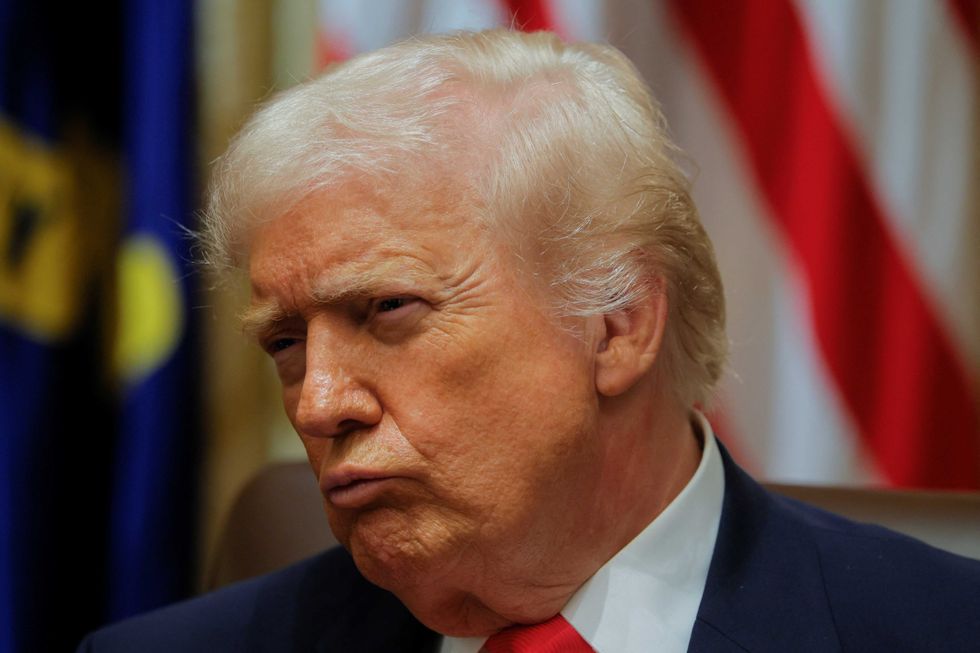
President Donald Trump indicated on Sunday that he has “other methods” available to impose tariffs on foreign countries, regardless of an impending decision from the Supreme Court of the United States. This announcement comes as the Supreme Court is set to release its opinion on Trump’s authority to unilaterally levy tariffs, a ruling anticipated within the week.
In his post on Truth Social, Trump elaborated on his perspective regarding tariffs, emphasizing the need for efficiency and decisiveness in national security matters. He stated, “While the United States has other methods of charging TARIFFS against foreign countries, many of whom have, for YEARS, TAKEN ADVANTAGE OF OUR NATION, the current method of Tariffing before the United States Supreme Court is far more DIRECT, LESS CUMBERSOME, and MUCH FASTER.”
Trump’s administration has previously implemented a broad range of tariffs affecting numerous goods, including appliances, lumber, and electrical components. The implications of the Supreme Court’s decision could significantly influence the future of trade relations between the United States and its major trading partners.
Impacts of Tariffs on Trade Relations
The tariffs introduced by Trump have had a substantial impact on various sectors of the U.S. economy. Analysts have noted that these tariffs are not only a tool for generating revenue but also a means to address trade imbalances. However, they have also raised concerns about potential retaliatory measures from affected countries.
Trump’s assertion of alternative methods for imposing tariffs suggests a willingness to bypass conventional legal channels if necessary. This could lead to heightened tensions in international trade relations, particularly with nations that have been subject to these tariffs in the past.
As the Supreme Court prepares to deliver its decision, the business community and international observers are closely monitoring the situation. The ruling could either uphold Trump’s authority to impose tariffs or impose limitations that could reshape trade policy moving forward.
Future Implications for U.S. Trade Policy
The impending Supreme Court ruling is seen as a pivotal moment in U.S. trade policy. Should the Court affirm Trump’s authority, it may embolden further unilateral actions in trade, potentially leading to increased tariffs on a broader range of products. Conversely, a ruling against Trump’s approach could necessitate a reevaluation of trade strategies.
Trump’s comments reflect his ongoing commitment to an assertive trade agenda, which he argues is essential for protecting U.S. interests. He emphasized the importance of “SPEED, POWER, AND CERTAINTY” in achieving national security objectives, framing tariffs as a critical element of his administration’s strategy.
The outcome of this case will have lasting effects on how tariffs are utilized in the United States, influencing not only economic policies but also international relations in a rapidly changing global economic landscape.