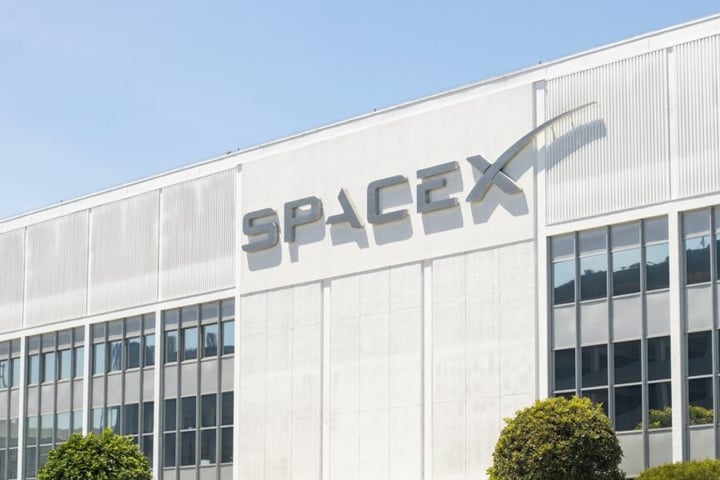
Elon Musk, CEO of SpaceX, recently announced that the company’s satellite internet service, Starlink, has reached a significant milestone with 9 million users globally. This achievement was highlighted by Starlink’s official account on the social media platform X, which confirmed that the service is now available in 155 countries and territories.
In a post celebrating this achievement, Musk reflected on the challenges of developing the service, stating, “Rebuilding the whole Internet in space is not easy.” This sentiment underscores the complexities involved in creating a global satellite internet network capable of providing high-speed connectivity to remote and underserved areas.
Challenges and Developments in Satellite Operations
Recently, Starlink faced a rare operational setback when one of its satellites lost communication while positioned approximately 260 miles above Earth. The incident resulted in a small amount of debris in orbit, but Starlink has assured users that the satellite is expected to reenter the Earth’s atmosphere within a few weeks.
Additionally, SpaceX is exploring further advancements in its services. The company has filed for the “STARLINK MOBILE” trademark with the United States Patent and Trademark Office (USPTO). This filing indicates potential plans to expand the service into mobile telecommunications, describing capabilities for “two-way real-time transmission” of voice, audio, video, and data through wireless devices.
Expanding Partnerships and Future Innovations
SpaceX has established partnerships with major telecommunications companies, including T-Mobile US Inc., to introduce direct-to-cell technology, which will allow the carrier’s subscribers to connect seamlessly with Starlink’s satellite network. Furthermore, a collaboration with Kyivstar Group Ltd., a leading telecom provider in Ukraine, aims to enhance connectivity in the region.
In a related development, Tesla has filed a patent for a “Vehicle Roof Assembly with Radio Frequency Transparent Material.” This innovation could enable Tesla vehicles to integrate antennas into their roofs, facilitating direct communication with satellites and enhancing the connected vehicle experience.
As Starlink continues to expand its user base and explore new technologies, the company remains committed to delivering internet access to users worldwide, overcoming the inherent challenges of satellite communication.