The Hubble Space Telescope has captured a remarkable image of the galaxy NGC 2261, highlighting unusual glowing gas that has intrigued astronomers. This captivating photograph, released by the European Space Agency (ESA), showcases the intricate structures of the galaxy’s gas clouds, which are believed to be the result of stellar activity.
Located approximately 2.5 million light-years away from Earth in the direction of the constellation Monoceros, or the Unicorn, NGC 2261 is not just visually stunning but also scientifically significant. The glowing gas in the image is primarily ionized hydrogen, a phenomenon typically associated with new star formation. This celestial event emphasizes the dynamic nature of galaxies and their continual evolution.
The Science Behind the Glow
The glowing gas observed in NGC 2261 is a byproduct of high-energy radiation emitted by nearby stars. As these stars undergo various life stages, they release radiation that ionizes surrounding gas, causing it to emit light. This process sheds light on how stars influence their environments and contribute to galaxy formation.
The latest image from Hubble not only captures the beauty of the universe but also serves as a crucial tool for scientists studying the lifecycle of stars. According to the ESA, understanding these processes helps astronomers piece together the complex interactions that shape galaxies like our own Milky Way.
Astronomers are particularly interested in NGC 2261 because it exhibits a variety of star formation stages, providing a unique opportunity to observe and analyze the processes at play. The detailed imagery allows researchers to examine how gas clouds evolve and interact over time, deepening our understanding of cosmic phenomena.
Hubble’s Legacy Continues
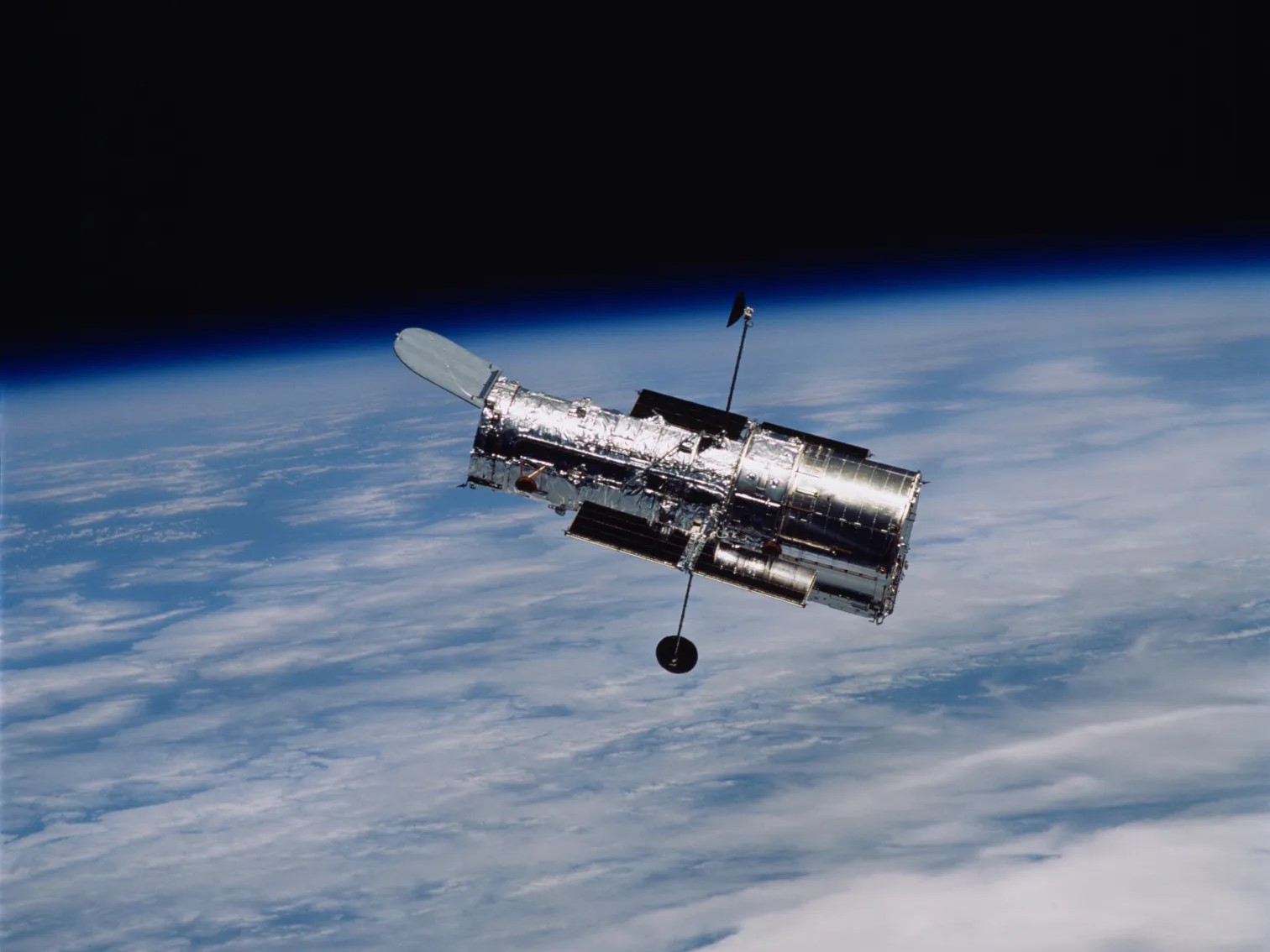
Since its launch in 1990, the Hubble Space Telescope has been instrumental in expanding our knowledge of the universe. With over three decades of observations, it has provided invaluable data that have transformed our understanding of galaxies, black holes, and the fundamental nature of the cosmos.
The latest findings from Hubble underscore its continued relevance in modern astronomy. As scientists leverage advanced imaging techniques, the insights gained from such observations will likely inform future explorations and discoveries about the universe’s vastness.
This stunning image of NGC 2261 is a testament to the power of space exploration and the importance of telescopic observations. As researchers continue to decode the mysteries of galaxies, the Hubble Space Telescope remains an essential ally in unlocking the secrets of the universe.