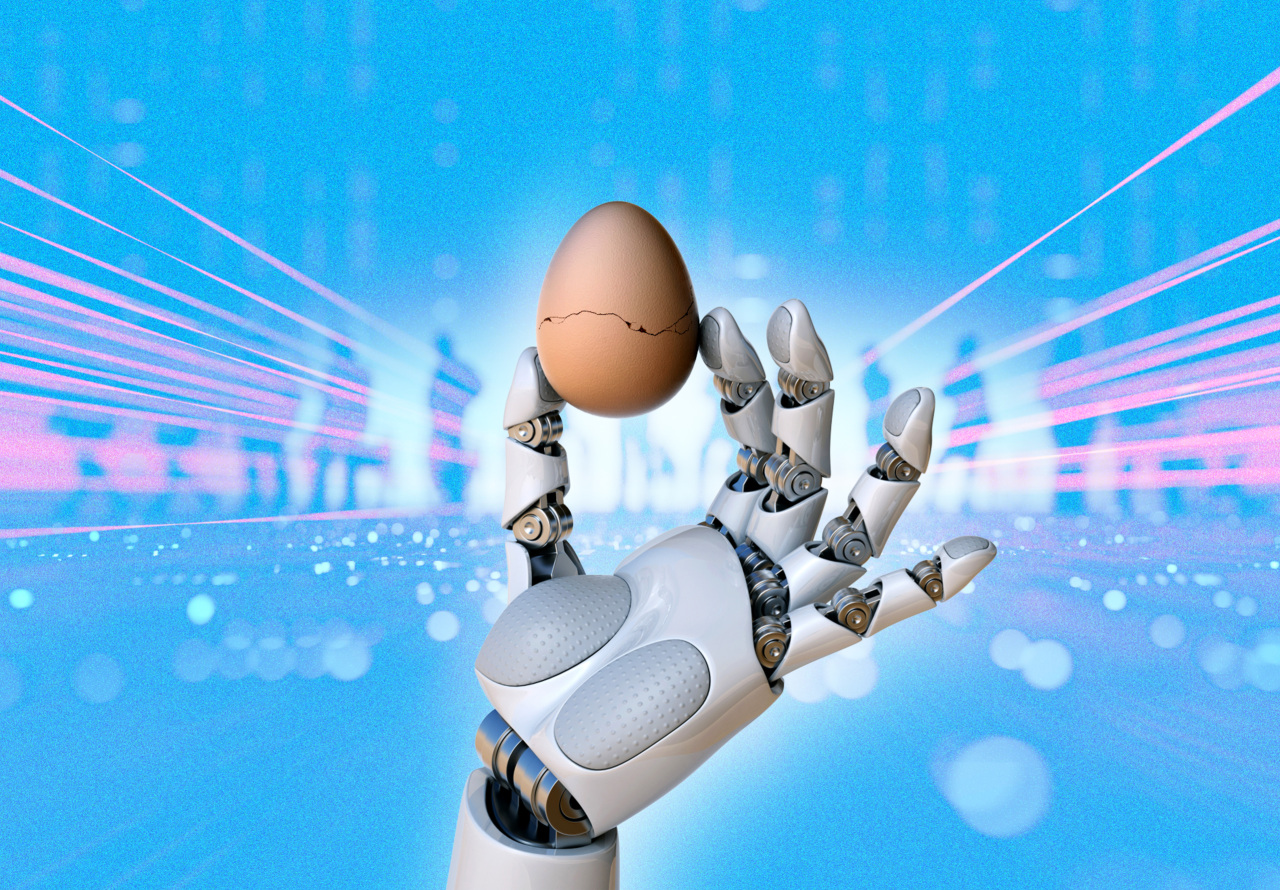
Humanoid robots are predicted to transform the technology landscape, potentially creating a market valued at $5 trillion by 2030. This ambitious projection highlights the increasing interest and investment in robotics that closely mimic human characteristics. However, experts caution that substantial advancements and refinements are necessary before this vision becomes a reality.
Advancements in artificial intelligence (AI) and robotics have fostered an environment ripe for the development of humanoid robots. These robots are designed to perform various tasks, ranging from customer service to healthcare assistance. As industries seek innovative solutions to enhance efficiency and reduce labor costs, the demand for humanoid robots is expected to surge.
Despite the promising market outlook, achieving widespread adoption of these robots will not happen overnight. Significant challenges remain, particularly in the areas of mobility, human-robot interaction, and safety. Presently, many humanoid robots are limited in their functionality, often requiring extensive programming and supervision.
Investment and Development Timelines
Investment in the robotics sector has been substantial, with companies and governments allocating funds to research and development. For example, in 2022, global investments in robotics exceeded $80 billion, indicating a strong commitment to advancing this technology. Major corporations such as Boston Dynamics and SoftBank Robotics are at the forefront of this movement, continuously refining their products to meet market needs.
Experts believe that while the market potential is significant, the technology needs to overcome critical hurdles. For instance, humanoid robots must demonstrate reliable performance in diverse and unpredictable environments, which remains a complex challenge. As these robots are integrated into more aspects of daily life, their ability to understand and respond to human emotions will also be crucial.
The Road Ahead
Market analysts predict that the trajectory towards a $5 trillion humanoid robot market will unfold over the next decade. While some companies are already deploying prototypes in limited capacities, full-scale implementation is still years away.
Consumer acceptance will play a pivotal role in this evolution. As humanoid robots become more prevalent, public perception will shape their integration into society. Education around their capabilities and limitations will be essential to foster trust among potential users.
In conclusion, the humanoid robot revolution promises exciting developments for the future. However, the pathway to realizing a $5 trillion market is fraught with challenges that must be navigated carefully. The coming years will be crucial for innovators and investors alike as they work to bring this vision to fruition.