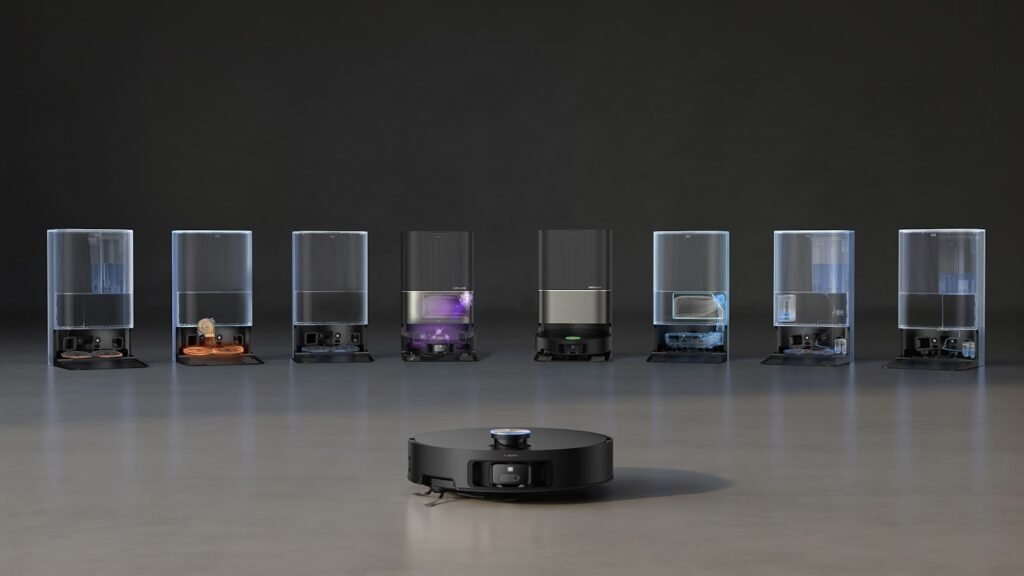
The concept of the “Smart Home” is undergoing a significant transformation as it evolves from passive convenience to active cleaning solutions. Innovations such as connected light bulbs and programmable thermostats have dominated the past decade, providing users with reactive functionalities. However, a new phase, labeled Smart Home 2.0, is emerging. This phase emphasizes not just connectivity but also the autonomous capabilities of devices that perform tasks previously handled by humans.
Revolutionizing Floor Care with Intelligent Robotics
One of the most notable advancements in this shift is in the realm of floor care. The transition from manual cleaning tools to intelligent robotic systems marks a pivotal development in domestic management—akin to the impact of the washing machine. Early robotic vacuums often functioned more as toys than effective cleaning tools. They would randomly collide with obstacles and often required significant user intervention.
In contrast, modern floor care robots employ advanced technologies similar to those found in self-driving cars. Utilizing LiDAR (Light Detection and Ranging) and vSLAM (Visual Simultaneous Localization and Mapping), these devices create precise, millimeter-accurate maps of homes. They no longer simply bump into walls; instead, they calculate the most efficient cleaning paths, ensuring comprehensive coverage.
Furthermore, advancements in artificial intelligence have addressed previous limitations, such as the infamous “sock problem.” Equipped with high-resolution cameras and object recognition software, today’s robots can identify and navigate around obstacles in real-time, allowing for a seamless cleaning experience without the need for preemptive tidying.
Smart Handheld Tools: The New Age of Cleaning
While robotic devices take on autonomous maintenance, handheld cleaning tools have also experienced a notable upgrade. The traditional mop and bucket, a staple in households for centuries, are being replaced by smart wet-dry vacuums. These new devices are equipped with sensors that adapt to the type of mess being cleaned.
High-end models feature infrared dirt detection, allowing them to analyze debris density and liquid opacity in real-time. If the vacuum encounters light dust, it conserves resources, but when faced with heavier spills, such as maple syrup or mud, it ramps up suction power instantly. This capability eliminates the need for manual adjustments during cleaning, optimizing performance at an astonishing rate of 500 adjustments per second.
Additionally, the self-cleaning cycle of these devices ensures that rollers are maintained effectively, reducing issues related to mold and odor that have historically plagued traditional cleaning tools.
The Connected Ecosystem of Smart Homes
An essential aspect of Smart Home 2.0 is the interconnected nature of these devices. They do not operate in isolation but rather as part of a cohesive ecosystem. Integration with voice-activated systems like Alexa, Google Home, or Siri allows for natural language commands, transforming cleaning requests into immediate actions performed by robotic assistants.
Users can also designate specific areas for attention through smartphone applications, enabling zone cleaning tailored to household needs. For instance, families can program robots to mop high-traffic areas more frequently or avoid certain rooms during designated times, such as nap times for children.
Moreover, smart diagnostics provide maintenance alerts directly to users’ smartphones, notifying them when filters require cleaning or water tanks need refilling. This proactive approach to maintenance prevents breakdowns and ensures optimal performance.
The investment in active smart home technology is distinct from purchasing entertainment devices. The true value lies in reclaiming time. By delegating the mental load of cleaning tasks to autonomous systems, users can regain hours previously spent on mundane chores. In the modern smart home, cleaning is no longer an obligation; it becomes an automated service, fundamentally altering how households function.
As the Smart Home 2.0 era continues to unfold, the shift from passive to active cleaning solutions is poised to redefine domestic life. With innovations that enhance convenience and efficiency, the homes of tomorrow promise a more automated and less labor-intensive future.