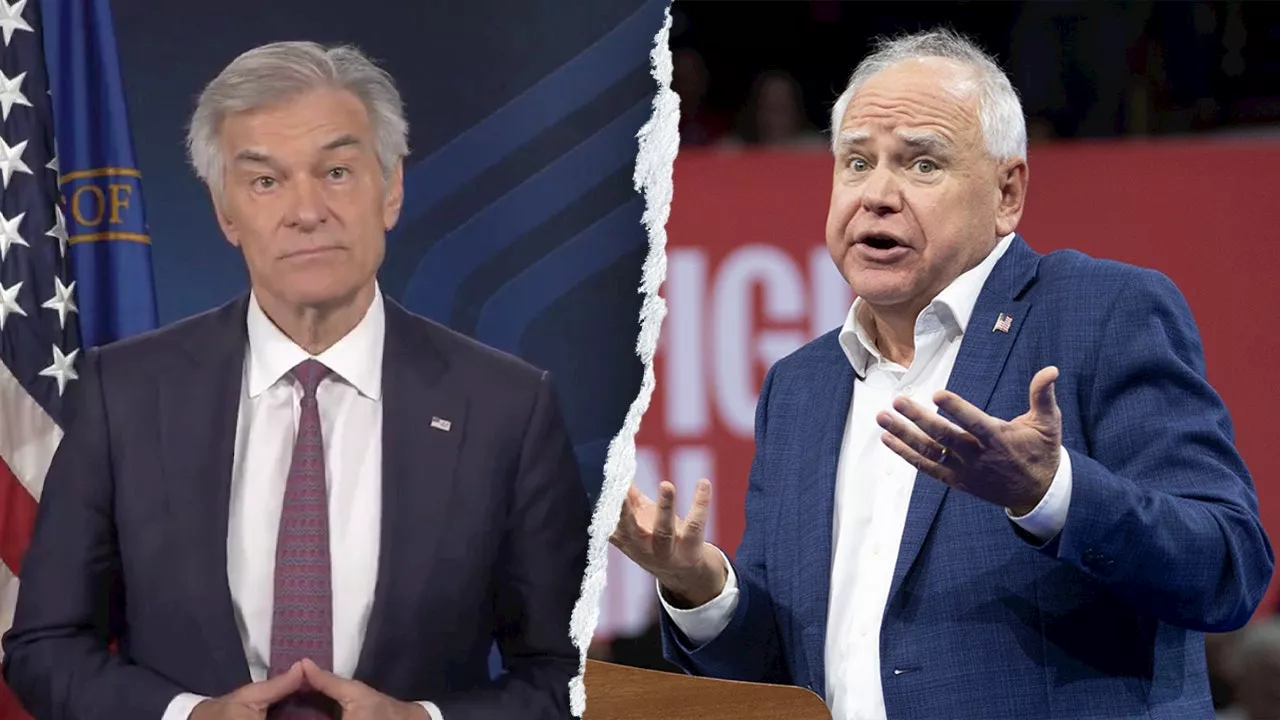
UPDATE: The Centers for Medicare & Medicaid Services (CMS) has issued an urgent warning to Minnesota Governor Tim Walz, citing a staggering $1 billion in alleged Medicaid fraud that could jeopardize federal funding. CMS Administrator Mehmet Oz claims the state has 60 days to rectify the situation or face severe financial consequences.
According to Dr. Oz, the fraudulent activities are reportedly linked to members of Minnesota’s Somali community, with alarming allegations that some of the misappropriated funds may have been funneled to the terrorist group al-Shabab. The investigation highlights a dramatic increase in spending within two state Medicaid programs: the Housing Stabilization Services program, which skyrocketed from an expected $2.6 million to over $100 million in 2024, and the Early Intensive Developmental and Behavioral Intervention program, which surged from $3 million in 2018 to nearly $400 million in 2023.
Dr. Oz criticized Governor Walz for alleged inaction, claiming that previous reports of fraud were ignored. He emphasized the unprecedented scale of this fraud, stating, “CMS staff have never encountered such a magnitude of fraud within the Medicaid system.” The potential implications for Minnesota’s fiscal stability are significant, as these developments threaten the effectiveness of vital healthcare services.
In response to these findings, CMS has already taken action by shutting down the most egregious programs and freezing provider enrollments in multiple areas known for abuse. Dr. Oz’s statements come on the heels of a broader crackdown on fraud initiated by the Trump administration, which has recently intensified investigations into financial misconduct in Minnesota.
The stakes are high, as the accusations not only involve substantial financial fraud but also potential ties to international terrorism. Governor Walz’s office is under pressure to respond swiftly to clarify the state’s course of action. The fallout from this investigation could reshape healthcare services for countless residents and escalate political tensions, especially as the allegations continue to gain traction in national discourse.
This urgent situation demands immediate attention, with future funding for critical healthcare programs hanging in the balance. The CMS’s ultimatum underscores the necessity for transparent oversight and accountability in government-funded programs, with the eyes of federal agencies now firmly fixed on Minnesota.
As the investigation unfolds, the public awaits detailed responses from state officials, which could have far-reaching implications for governance and healthcare delivery in Minnesota. The urgency of this matter cannot be overstated; lives could be impacted, and public trust in state programs is at stake.